
This content is provided for informational purposes only and does not constitute medical advice. Consult a qualified orthopaedic surgeon for any decisions regarding your knee health and treatment options.
Living with knee osteoarthritis often means navigating a frustrating grey zone between manageable discomfort and unbearable limitation. You might wake up wondering whether today’s pain justifies surgical intervention, or whether pushing through another six months of physiotherapy makes more sense. The reality is that arthroplasty candidacy isn’t determined by pain alone—it rests on a convergence of measurable clinical benchmarks that orthopaedic surgeons evaluate systematically.
Understanding these criteria empowers you to assess your situation objectively rather than relying on subjective anxiety about whether you’re “bad enough” for surgery. Clinical evidence demonstrates that waiting too long can reduce surgical outcomes, just as intervening prematurely carries unnecessary risks. This article breaks down the three clinical pillars surgeons use to determine surgical necessity, equipping you with the framework to prepare for informed specialist consultation.
Your surgical threshold indicators in 30 seconds:
- Persistent severe pain despite optimal conservative management over six to twelve months
- Functional limitation preventing walking reasonable distances or climbing stairs without significant distress
- Radiographic evidence of advanced joint deterioration confirmed through imaging studies
- Substantial impact on quality of life that non-surgical interventions no longer address effectively
The severity spectrum: recognising when pain crosses the surgical threshold
Knee osteoarthritis exists on a spectrum from mild occasional stiffness to debilitating daily limitation. The challenge lies in identifying the transition point where conservative management genuinely stops working. Consider a typical scenario: a patient experiences good pain control for eighteen months with physiotherapy and anti-inflammatory medication, then notices escalating night pain that disturbs sleep, followed by reluctance to plan social activities involving walking. This progression pattern—not a single dramatic moment—often signals the approach toward surgical evaluation territory.
Orthopaedic assessment focuses on three interconnected domains rather than isolated pain intensity. A patient reporting severe pain might still walk two kilometres daily and maintain independence, whereas another with moderate pain may struggle climbing a single flight of stairs or dressing independently. According to guidance from the National Institute for Health and Care Excellence, clinicians should consider referring patients when joint symptoms substantially impact quality of life and non-surgical management proves ineffective or unsuitable—a deliberately broad framework that prioritises functional impact over arbitrary numerical thresholds.
The emphasis on holistic assessment rather than single scores reflects clinical reality. Pain scales provide useful data points but cannot capture the full picture of how osteoarthritis restricts your life. Surgeons evaluating candidacy want to understand whether you’ve abandoned hobbies you once enjoyed, whether you avoid visiting friends because their homes have steps, or whether grocery shopping now requires careful planning around parking proximity. These functional limitations, combined with radiographic confirmation of joint deterioration and documented conservative treatment attempts, form the foundation of surgical decision-making. The National Joint Registry 21st Annual Report, covering over 4 million joint replacement procedures recorded since 2003, provides comprehensive outcome data demonstrating the effectiveness of arthroplasty when performed on appropriate candidates.
The three clinical pillars surgeons evaluate for arthroplasty candidacy
Specialist orthopaedic surgeons with expertise in knee surgery evaluate candidacy using validated assessment tools across pain quantification, functional capacity and structural deterioration. This systematic approach ensures surgical intervention targets patients most likely to benefit whilst avoiding premature procedures for conditions that might still respond to conservative care. Each pillar provides complementary evidence that, when combined, creates a comprehensive clinical picture justifying—or deferring—surgical referral.
Clinical pain assessment relies on validated instruments that transform subjective experience into measurable data. The Visual Analogue Scale asks patients to rate pain from zero to ten, creating a reproducible metric that surgeons can track over time. More comprehensive tools like the Western Ontario and McMaster Universities Osteoarthritis Index evaluate pain alongside stiffness and functional limitation through standardised questionnaires. These instruments don’t replace clinical judgement—they complement it by providing objective benchmarks that reveal progression patterns and treatment response.
Persistent severe pain despite optimal medication and activity modification typically warrants specialist evaluation. However, surgeons distinguish between constant moderate discomfort and episodic severe pain triggered by specific activities. A patient experiencing mild background ache punctuated by sharp pain during stair descent presents differently from someone enduring relentless throbbing that disrupts sleep nightly. The pattern, duration and response to conservative interventions matter as much as peak intensity when determining surgical appropriateness.
The following synthesis compares the primary clinical assessment tools orthopaedic surgeons use to quantify osteoarthritis severity and monitor progression. Each instrument measures distinct aspects of the condition, from subjective pain intensity to objective functional capacity, providing complementary evidence that informs surgical decision-making. Understanding these benchmarks allows you to interpret your own assessment results meaningfully during specialist consultation.
| Assessment Tool | Scale Range | What It Measures | Clinical Significance |
|---|---|---|---|
| Visual Analogue Scale (VAS) | 0-10 points | Subjective pain intensity at specific moments | Higher persistent scores indicate treatment resistance |
| WOMAC Index | 0-96 points | Pain, stiffness and functional limitation combined | Tracks disease progression and treatment efficacy |
| Kellgren-Lawrence Grading | Grade 0-4 | Structural joint deterioration visible on X-ray | Higher grades correlate with surgical candidacy |
| Walking Distance Test | Metres walked pain-free | Real-world mobility limitation | Severe restriction suggests significant functional impact |
Pain scores tell only part of the story—what ultimately matters is how osteoarthritis restricts your ability to live independently and maintain quality of life. Orthopaedic surgeons pay close attention to concrete functional limitations: Can you walk to local shops without stopping to rest? Can you climb stairs to reach your bedroom? Can you rise from a chair without using your arms for leverage? These practical benchmarks reveal disease impact more accurately than numerical pain ratings alone.

Clinical assessment protocols typically identify severe functional limitation as inability to walk two hundred metres on level ground without significant pain, or complete avoidance of slopes and uneven surfaces. Similarly, stair climbing capacity provides insight into joint deterioration severity—patients who navigate stairs one step at a time, leading with the same leg repeatedly, demonstrate compensatory patterns indicating substantial impairment. These observable functional restrictions, documented during clinical examination, contribute meaningfully to surgical candidacy assessment alongside patient-reported questionnaire data.
X-ray imaging reveals the structural reality underlying your symptoms. The Kellgren-Lawrence classification system grades osteoarthritis from zero (no radiographic evidence) through four (severe deterioration with bone-on-bone contact). Grade three typically shows moderate joint space narrowing with definite osteophyte formation, whilst grade four demonstrates severe narrowing with extensive bone remodelling. These radiographic findings don’t automatically trigger surgery—plenty of patients with advanced X-ray changes manage adequately with conservative treatment—but they provide crucial confirmation that symptoms correlate with genuine structural deterioration rather than temporary inflammation.
Surgeons interpret imaging findings within the broader clinical context. A patient with grade four radiographic changes but minimal functional impact might defer surgery for years, whilst someone with grade three deterioration experiencing severe functional limitation could warrant earlier intervention. This individualised approach explains why guidelines emphasise clinical assessment over rigid numerical thresholds. If you’re preparing for diagnostic imaging and concerned about the process, understanding what to expect from an MRI can help reduce anxiety about the assessment pathway, though initial evaluation typically relies on standard X-rays which provide sufficient detail for grading osteoarthritis severity.
When conservative treatments genuinely reach their limit
Determining conservative treatment failure requires honest assessment of both compliance and efficacy. Have you genuinely engaged with physiotherapy exercises consistently for several months, or attended sporadically when pain flared? Have you achieved recommended weight reduction targets if applicable, or made minimal progress? Have analgesic medications been optimised under medical supervision, or have you avoided stronger options due to misconceptions about dependency? These questions matter because authentic conservative treatment exhaustion differs markedly from half-hearted attempts interrupted by impatience.
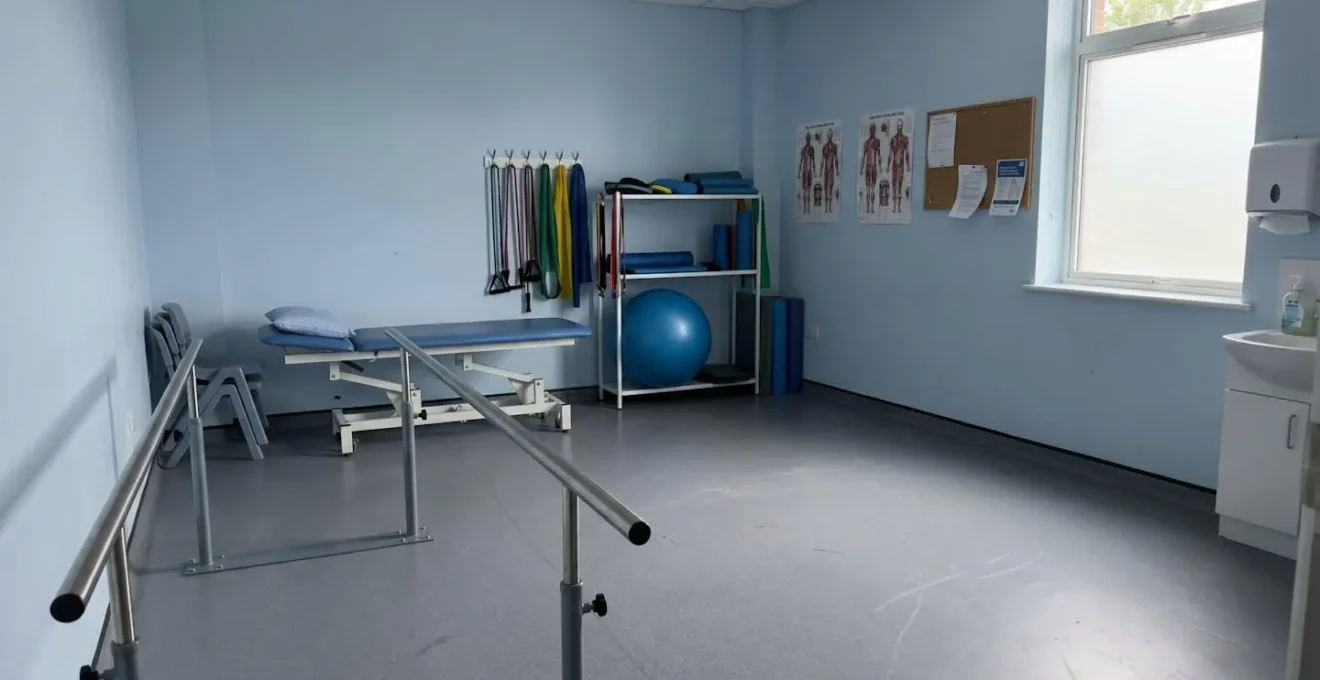
Clinical guidelines generally recommend several months of sustained conservative therapy—typically six to twelve months—allowing sufficient time to assess treatment response properly before surgical consideration. Shorter trial periods risk premature surgical intervention for conditions that might still improve, whilst excessively prolonged conservative attempts can allow preventable deterioration.
Critical timing consideration: Excessive delay beyond the optimal surgical window can lead to bone deterioration that complicates the procedure, muscle atrophy that extends rehabilitation duration, and chronic pain patterns that may persist even after successful arthroplasty. Balancing patience with pragmatism requires specialist guidance—waiting indefinitely hoping for spontaneous improvement ignores the progressive nature of osteoarthritis and risks suboptimal surgical outcomes when intervention eventually becomes unavoidable.
Recognising genuine treatment failure involves monitoring symptom progression despite compliance. If physiotherapy exercises initially improved function but gains have plateaued or reversed, if weight reduction achieved target levels yet pain persists unabated, if medication adjustments provide diminishing relief requiring escalating doses—these patterns suggest conservative options are genuinely exhausted rather than inadequately explored. Documenting this progression creates a clear narrative that supports surgical referral when the time comes.
Self-assessment framework: evaluating your surgical candidacy
Whilst only specialist clinical evaluation can definitively determine surgical appropriateness, understanding the decision framework allows you to assess your approximate candidacy status before consultation. This self-evaluation doesn’t replace professional assessment but helps you enter specialist discussion with realistic expectations and relevant information prepared.
- Pain severity assessment:
If your pain consistently rates moderate (interfering with some activities but manageable with medication), continue optimising conservative treatment. If severe pain (significantly restricting daily activities despite optimal medication) persists over several months, specialist evaluation is appropriate.
- Functional limitation evaluation:
If you can walk over one kilometre comfortably and manage stairs normally, surgery remains premature. If you struggle walking modest distances (a few hundred metres) or avoid stairs entirely due to pain, functional limitation warrants specialist assessment.
- Radiographic evidence consideration:
If recent X-rays show minimal or mild changes (Kellgren-Lawrence grade zero to two), conservative management should continue. If imaging demonstrates moderate to severe deterioration (grade three to four), combined with symptoms, surgical candidacy strengthens.
- Conservative treatment duration review:
If you’ve engaged with physiotherapy, weight management and medication optimisation for less than six months, additional conservative treatment time is typically advised. If twelve months of comprehensive non-surgical management shows declining efficacy despite compliance, surgical consideration becomes appropriate.
Preparing for specialist consultation involves gathering relevant documentation that supports your assessment. Maintaining a pain diary over several weeks provides valuable longitudinal data showing symptom patterns and triggers. Recording specific functional limitations with concrete examples—distances you can no longer walk, activities you’ve abandoned, adaptations you’ve made to your home environment—paints a clearer picture than vague descriptions of discomfort. Compiling your treatment history, including physiotherapy attendance records, medication trials and their outcomes, and previous imaging reports, ensures comprehensive evaluation.
- Document pain patterns: record intensity ratings over two to four weeks noting daily variation and activity triggers
- Log functional restrictions: list specific activities now impossible or severely limited with concrete examples
- Compile treatment history: detail all conservative therapies attempted including duration and outcomes observed
- Obtain imaging records: request copies of recent knee X-rays or MRI scans if available from your GP
- Note relevant medical history: prepare information about conditions affecting surgical risk such as diabetes or cardiovascular disease
- Prepare quality-of-life examples: think through how knee pain affects independence, hobbies and social participation
Your questions about arthroplasty timing and outcomes
Patients evaluating surgical candidacy typically harbour similar concerns about timing appropriateness, procedural risks and outcome expectations. Addressing these questions with evidence-based information helps reduce anxiety and supports informed decision-making. The following responses draw from clinical guidelines and registry data to provide factual guidance on common uncertainties.
Surgical procedures naturally raise questions about what to expect during and after the operation. Whilst recovery concerns vary individually, understanding common post-operative experiences can reduce pre-surgical anxiety. Some patients wonder about sensory experiences during the recovery period, including whether they might notice the smell of anaesthesia after surgery, reflecting broader concerns about the immediate post-operative phase and its transient side effects.
Can I be too young for knee replacement surgery?
Age alone does not determine surgical candidacy. Younger patients with severe osteoarthritis substantially impacting quality of life may be appropriate candidates if conservative treatments have failed. Modern prostheses demonstrate excellent longevity, and delaying necessary surgery simply to reach an arbitrary age threshold can allow preventable deterioration. Surgeons assess overall health, activity expectations and individual circumstances rather than applying rigid age cut-offs. The focus rests on whether arthroplasty will meaningfully improve your function and quality of life, regardless of your age.
What happens if I wait too long—will I still be eligible for surgery?
Excessive delay can complicate surgery and reduce outcomes rather than improving candidacy. Advanced bone deterioration may require more complex reconstruction, whilst prolonged inactivity leads to muscle atrophy that extends rehabilitation duration. Chronic pain patterns can become neurologically embedded, potentially persisting despite successful joint replacement. Surgeons can typically still operate on severely deteriorated joints, but optimal timing—before extreme degeneration occurs—generally produces superior functional results with smoother recovery trajectories.
How can I be certain conservative treatment has truly failed?
Conservative treatment failure shows several characteristic patterns: initial symptom improvement followed by plateau or decline despite continued therapy compliance, progressively diminishing relief from medications requiring dose escalation, and functional deterioration despite optimal weight management and exercise adherence. Treatment duration matters—six to twelve months of comprehensive conservative management typically provides sufficient trial period to assess genuine efficacy. If symptoms worsen or remain severe despite sustained effort across multiple treatment modalities, conservative options are legitimately exhausted.
Will my surgeon consider me too anxious if my pain isn’t constant?
Episodic severe pain carries equal clinical significance to constant moderate discomfort. Surgeons evaluate pain patterns, triggers and functional impact rather than requiring continuous symptoms. If your pain intensifies predictably with specific activities (stairs, prolonged walking, rising from chairs) and substantially restricts participation in normal life, this constitutes legitimate functional limitation regardless of pain-free intervals. Documenting these patterns through pain diaries showing severity fluctuation and activity correlation provides valuable assessment data during consultation.
What if I’m borderline on the clinical criteria—can I still be assessed?
Borderline cases benefit most from specialist evaluation precisely because they require individualised assessment beyond simple threshold application. Surgeons consider the complete clinical picture including symptom trajectory, quality-of-life impact, occupational demands and personal circumstances. According to data from the NHS England patient-reported outcome measures programme, surgical benefit varies significantly between individuals, supporting personalised decision-making. If uncertain about your candidacy status, seeking specialist opinion provides clarity—surgeons regularly advise continued conservative management when appropriate whilst identifying patients who would benefit from earlier intervention.
This article does not replace personalised assessment by an orthopaedic surgeon. Clinical criteria mentioned represent general guidelines; individual cases vary significantly based on personal health factors, symptom patterns and functional requirements. Self-assessment tools provided serve educational purposes only and cannot substitute diagnostic evaluation. Surgical indications evolve with ongoing medical research and must be applied to your specific circumstances by qualified specialists.
Potential risks of timing errors: Premature surgery when conservative treatments remain inadequately explored carries unnecessary procedural risks and potential complications. Conversely, delaying surgery beyond the optimal window can result in irreversible joint deterioration reducing surgical outcomes, progressive muscle atrophy extending rehabilitation duration, and chronic pain neuroplasticity complicating post-operative recovery. Balancing these competing risks requires professional clinical judgement.
Essential consultation: Before making any decisions regarding knee arthroplasty, consult an orthopaedic surgeon specialised in knee surgery who can evaluate your imaging studies, assess your functional limitations directly, review your complete treatment history, and provide individualised guidance based on current clinical evidence and your personal circumstances.