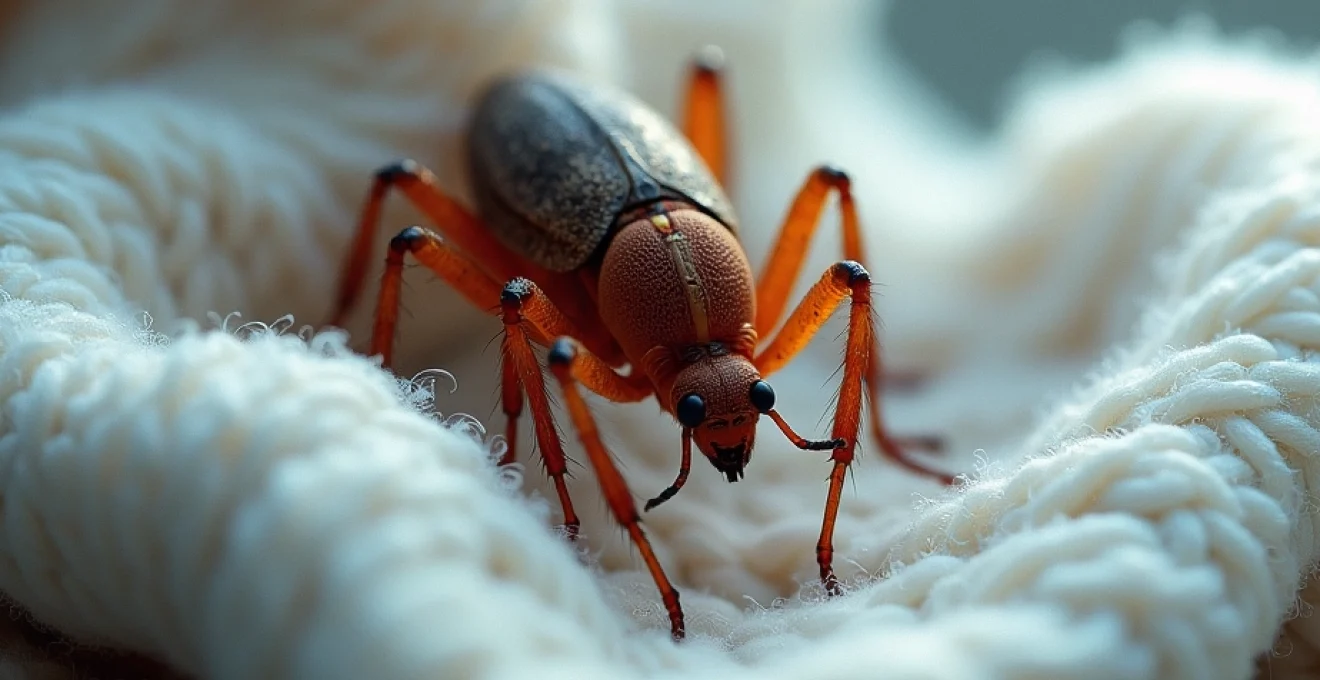
Dust mites represent one of the most pervasive yet invisible threats lurking in our wardrobes and textile environments. These microscopic arachnids, measuring just 0.2 to 0.3 millimetres in length, have evolved sophisticated survival mechanisms that allow them to colonise various fabric types with remarkable efficiency. For individuals suffering from allergic rhinitis, asthma, or atopic dermatitis, understanding whether clothing can harbour these allergen-producing creatures becomes crucial for effective symptom management. The relationship between dust mites and clothing extends far beyond simple surface contamination, involving complex interactions between fabric properties, environmental conditions, and the biological requirements of these persistent arthropods.
Recent research indicates that approximately 84% of British households contain detectable levels of dust mite allergens, with clothing and textiles serving as significant reservoirs. The implications extend beyond mere discomfort, as clothing-borne allergens can trigger severe reactions in sensitive individuals, potentially affecting quality of life and respiratory health. Modern textile manufacturing processes, storage conditions, and washing practices all influence the extent to which garments become suitable habitats for these microscopic invaders.
Dust mite biology and habitat requirements in textile environments
Understanding dust mite colonisation in clothing requires examining the fundamental biological needs of these arachnids and how textile environments satisfy their survival requirements. Dust mites belong to the Pyroglyphidae family, with two primary species dominating household environments and demonstrating distinct preferences for different fabric types and storage conditions.
Dermatophagoides pteronyssinus and dermatophagoides farinae survival parameters
Dermatophagoides pteronyssinus , commonly known as the European house dust mite, exhibits remarkable adaptability to textile environments. This species demonstrates a preference for natural fibres, particularly cotton and wool, due to their moisture-retention properties and porous structure. Laboratory studies reveal that these mites can survive in clothing for periods exceeding six weeks when environmental conditions remain favourable, with populations doubling every 19 days under optimal circumstances.
Dermatophagoides farinae , the American house dust mite, shows slightly different colonisation patterns in clothing materials. This species demonstrates enhanced survival rates in synthetic-natural fibre blends, possibly due to reduced competition from other microorganisms. Research conducted by textile laboratories indicates that D. farinae populations can establish themselves in unwashed garments within 72 hours of initial exposure, particularly in garments stored in humid environments.
Optimal humidity levels for dust mite colonisation in fabric fibres
Relative humidity represents the most critical environmental factor determining dust mite survival in clothing. These arachnids require humidity levels exceeding 50% for basic survival, with optimal reproduction occurring between 70-80% relative humidity. Clothing stored in wardrobes, particularly during humid summer months, can create microclimates that exceed these thresholds.
Fabric moisture content directly correlates with dust mite viability, as these creatures absorb water vapour through their cuticle rather than drinking liquid water. Natural fibres demonstrate superior moisture retention compared to synthetic materials, creating more hospitable environments for mite colonisation. Hygroscopic fibres like cotton can retain moisture equivalent to 8.5% of their dry weight, while wool can absorb up to 30% of its weight in moisture under high humidity conditions.
Temperature thresholds for acari reproduction in clothing materials
Temperature parameters for dust mite reproduction in textile environments follow specific physiological constraints. Optimal reproductive temperatures range between 20-25°C, coincidentally matching typical wardrobe storage temperatures in most UK homes. Temperatures below 10°C significantly impair mite mobility and reproduction, while exposure to temperatures exceeding 55°C for 10 minutes proves lethal to all life stages.
Clothing stored in temperature-controlled environments, such as fitted wardrobes or walk-in closets, often maintains consistent temperatures within the optimal range for dust mite activity. Seasonal temperature variations can influence mite populations, with winter storage potentially reducing viable populations, whilst summer conditions promote rapid multiplication.
Keratin and human skin cell availability in worn garments
Dust mites subsist primarily on keratinocytes and skin scale proteins that accumulate in worn clothing. The average human sheds approximately 1.5 grams of skin cells daily, with a significant portion becoming trapped in fabric fibres during wear. This organic material provides essential nutrients for mite survival and reproduction, creating self-sustaining ecosystems within garment collections.
Protein analysis of worn clothing reveals substantial accumulations of keratin deposits, particularly in areas of high friction such as collars, cuffs, and underarm regions. These protein-rich zones become focal points for dust mite colonisation, with populations often establishing themselves in specific garment areas before spreading throughout the entire piece.
Research demonstrates that unwashed clothing can harbour dust mite populations for months, with protein deposits serving as sustainable food sources for multiple generations of these microscopic arthropods.
Textile fibre composition and dust mite infestation susceptibility
Different fabric compositions exhibit varying degrees of susceptibility to dust mite colonisation, with fibre structure, porosity, and chemical composition all influencing infestation potential. Understanding these relationships enables informed decisions regarding wardrobe choices and storage strategies for allergy-sensitive individuals.
Natural fibres: cotton, wool, and linen porosity analysis
Cotton fabrics demonstrate high susceptibility to dust mite colonisation due to their cellular structure and moisture-retention properties. The hollow fibre structure of cotton creates numerous microenvironments suitable for mite habitation, whilst the material’s hygroscopic nature maintains optimal humidity levels. Percale and jersey weaves show particular vulnerability, with thread counts below 200 providing insufficient barriers against mite penetration.
Wool presents unique challenges for dust mite management due to its protein-based composition and complex fibre structure. The scaly surface of wool fibres creates abundant hiding places for mites, whilst the material’s natural lanolin content can serve as an additional food source. Merino wool, despite its finer fibre structure, remains highly susceptible to infestation, particularly when stored in humid conditions.
Linen fabrics, derived from flax fibres, exhibit moderate susceptibility to dust mite colonisation. The relatively smooth fibre surface and lower moisture retention compared to cotton provide some protection, though loosely woven linen garments can still harbour significant mite populations. Belgian and Irish linen varieties show marginally better resistance due to their tighter weave structures.
Synthetic materials: polyester and nylon resistance properties
Polyester fabrics demonstrate superior resistance to dust mite colonisation compared to natural fibres, primarily due to their hydrophobic properties and smooth fibre surfaces. The synthetic polymer structure provides fewer hiding places for mites, whilst reduced moisture retention creates less hospitable conditions. However, polyester-cotton blends compromise these advantages, with mite populations establishing themselves in cotton components whilst utilising polyester areas for shelter.
Nylon materials exhibit similar resistance properties to polyester, with additional benefits derived from their non-porous structure. Microdenier nylon fabrics show exceptional resistance to mite penetration, though electrostatic properties can attract skin cells and debris, potentially creating localised food sources for opportunistic mite populations.
Blended fabrics and microfibre dust mite penetration rates
Fabric blends present complex scenarios for dust mite colonisation, with penetration rates varying according to the proportion and arrangement of different fibres. Cotton-polyester blends exceeding 60% cotton content demonstrate colonisation rates approaching those of pure cotton fabrics. Conversely, blends with polyester content above 70% show significant resistance to mite establishment.
Microfibre technologies have introduced new variables in dust mite management. Ultra-fine fibres create dense fabric structures that can physically exclude dust mites whilst maintaining breathability. However, microfibre fabrics with inadequate anti-microbial treatments can develop biofilm formations that support mite populations through alternative pathways.
Fabric weave density impact on acarid settlement patterns
Thread count and weave density significantly influence dust mite penetration and establishment patterns within textile materials. Fabrics exceeding 300 threads per inch create physical barriers that impede mite movement, whilst maintaining sufficient porosity for air circulation. Percale weaves with thread counts below 180 demonstrate minimal resistance to mite penetration.
Twill and satin weaves exhibit different susceptibility patterns due to their structural characteristics. Twill weaves create diagonal ridges that can trap skin cells and provide protected microenvironments for mites. Satin weaves, despite their smooth surface appearance, can develop static charges that attract organic debris, creating localised food sources for mite populations.
| Fabric Type | Thread Count | Mite Penetration Rate (%) | Colonisation Time (Days) |
|---|---|---|---|
| Cotton Percale | 180 | 85 | 3-5 |
| Cotton Sateen | 300 | 45 | 7-10 |
| Polyester Blend | 250 | 25 | 14-21 |
| Microfibre | 400+ | 8 | 28+ |
Storage conditions and dust mite proliferation in wardrobes
Wardrobe environments create unique ecological niches that can either promote or inhibit dust mite colonisation in clothing collections. The interaction between ventilation, humidity control, light exposure, and temperature regulation determines whether storage spaces become mite sanctuaries or hostile environments for these microscopic arthropods.
Traditional fitted wardrobes often lack adequate ventilation systems, creating stagnant air conditions that promote humidity accumulation and reduce air circulation. These environments frequently exceed the 50% relative humidity threshold required for dust mite survival, with some areas reaching 70-80% humidity during humid weather periods. The absence of natural light eliminates UV exposure that could otherwise inhibit mite reproduction, whilst consistent temperatures between 18-24°C provide optimal conditions for population growth.
Walk-in closets present additional challenges due to their larger volumes and potential for creating distinct microclimates within different storage zones. Lower storage areas, particularly those near exterior walls, often experience higher humidity levels due to reduced air circulation and potential moisture infiltration. Upper storage areas may experience temperature stratification, creating zones with different mite colonisation potential depending on heating and ventilation patterns.
Cedar-lined wardrobes have traditionally been promoted for their pest-deterrent properties, though research indicates limited effectiveness against dust mites specifically. Whilst cedar oils may provide some deterrent effects against other textile pests, dust mites demonstrate remarkable tolerance to these natural compounds. The aromatic compounds in cedar can mask allergen odours without addressing the underlying mite populations, potentially creating false confidence in protective measures.
Studies reveal that wardrobes with active ventilation systems reduce dust mite populations by up to 60% compared to traditional sealed storage environments, highlighting the critical importance of air circulation in mite management strategies.
Seasonal storage patterns significantly influence mite population dynamics within wardrobes. Winter clothing stored during summer months faces extended exposure to potentially optimal mite conditions, allowing populations to establish and multiply over several months. Conversely, summer garments stored during winter periods benefit from reduced humidity and potential temperature fluctuations that can disrupt mite life cycles. The rotation of seasonal clothing collections provides natural population control through periodic disturbance and potential exposure to adverse conditions.
Storage containers and garment bags introduce additional variables in dust mite management. Airtight containers can create isolated environments that either protect clothing from mite exposure or trap existing populations with optimal conditions for multiplication. Vacuum-sealed storage bags eliminate air and moisture, creating hostile conditions for mite survival, though proper sealing techniques remain critical for effectiveness. Breathable garment bags may allow continued air exchange whilst providing some barrier protection, though their effectiveness depends on fabric porosity and environmental conditions.
Washing machine temperature efficacy against tyroglyphidae species
Thermal treatment through conventional washing processes represents the most accessible method for eliminating dust mite populations from clothing, though temperature requirements vary significantly between different species and life stages. Understanding the thermal death points and exposure durations necessary for complete mite elimination enables development of effective laundering protocols for allergy management.
Water temperatures exceeding 55°C prove lethal to all dust mite life stages within 10-15 minutes of exposure, though achieving uniform temperature distribution throughout fabric masses requires careful consideration of washing machine capacity and water circulation patterns. Standard hot water cycles typically maintain temperatures between 40-50°C, providing partial mite mortality whilst allowing some resistant individuals and protected eggs to survive the process.
The relationship between temperature and exposure time follows established thermal death kinetics, with lower temperatures requiring extended exposure periods for equivalent mortality rates. Washing cycles at 45°C require minimum exposure times of 25-30 minutes for effective mite elimination, whilst temperatures of 50°C reduce required exposure to 15-20 minutes. These parameters must account for the thermal mass of wet fabrics and potential temperature variations throughout the wash cycle.
Detergent formulations can enhance thermal effectiveness through surfactant action and pH modification, though standard laundry detergents lack acaricidal properties. Enzyme-based detergents may provide additional benefits by breaking down protein deposits that serve as mite food sources, reducing the attractiveness of treated garments for future colonisation. However, proteolytic enzymes require specific pH ranges and temperatures for optimal activity, potentially conflicting with mite thermal elimination requirements.
Rinse cycles play crucial roles in mite elimination by removing dead mites, eggs, and allergen-containing debris from fabric fibres. Multiple rinse cycles increase removal efficiency, though energy and water consumption considerations may limit practical implementation. Cold rinse cycles following hot wash phases can create thermal shock effects that enhance mite mortality rates beyond those achieved through sustained heat exposure alone.
Fabric softeners and conditioning agents can impact post-wash mite colonisation resistance by altering fibre surface properties and moisture retention characteristics. Some fabric softeners create hydrophobic surface films that reduce moisture absorption, potentially inhibiting future mite establishment. However, certain conditioning agents may increase static attraction of skin cells and organic debris, potentially offsetting protective benefits through enhanced food source accumulation.
| Water Temperature (°C) | Exposure Time (Minutes) | Mite Mortality Rate (%) | Allergen Reduction (%) |
|---|---|---|---|
| 40 | 30 | 65 | 45 |
| 50 | 20 | 95 | 80 |
| 60 | 10 | 100 | 95 |
Clothing-based allergen exposure and dermatitis manifestations
The interaction between dust mite allergens embedded in clothing fibres and human skin creates complex exposure pathways that can trigger various dermatological and respiratory responses. Understanding these mechanisms enables better management strategies for individuals experiencing clothing-related allergic reactions and helps differentiate between contact sensitisation and airborne allergen exposure.
Ige-mediated reactions from Clothing-Borne dust mite proteins
Immunoglobulin E-mediated responses to clothing-borne dust mite allergens involve sophisticated immune system recognition of specific protein fragments released from mite faecal pellets and body decomposition products embedded within fabric fibres. The major allergens Der p 1 and Der f 1 maintain their potency within textile environments for extended periods, with some studies indicating detectable activity after six months of storage under optimal conditions.
Sensitisation patterns vary according to exposure intensity and duration, with prolonged contact through clothing wear creating opportunities for transcutaneous allergen penetration. This process becomes particularly relevant for individuals with compromised skin barriers, such as those with existing atopic dermatitis or eczema conditions. The mechanical action of fabric movement against skin during wear can enhance
allergen penetration through micro-abrasions and hair follicles, increasing local allergen concentrations at the skin surface.The kinetics of IgE production in response to clothing-borne allergens follow distinct temporal patterns compared to airborne exposure. Initial sensitisation typically requires 2-6 weeks of regular contact with contaminated garments, with antibody levels reaching peak concentrations after 8-12 weeks of continued exposure. Cross-reactivity between different dust mite species can complicate diagnostic procedures, as individuals sensitised to D. pteronyssinus through clothing contact may demonstrate positive reactions to D. farinae allergens in subsequent testing.Systemic reactions to clothing-borne dust mite allergens can manifest as generalised urticaria, respiratory symptoms, or even anaphylactic responses in severely sensitised individuals. Case studies document instances where individuals experienced acute bronchospasm within minutes of donning freshly stored clothing containing high allergen concentrations. These reactions highlight the importance of proper garment decontamination protocols for highly sensitive patients.
Contact dermatitis patterns in sensitive individuals
Contact dermatitis resulting from dust mite allergen exposure through clothing presents distinct morphological patterns that correlate with garment contact areas and allergen concentration gradients. The condition typically manifests as eczematous lesions following the distribution of clothing seams, elastic bands, and areas of increased fabric-to-skin pressure. Unlike traditional irritant contact dermatitis, dust mite-induced reactions often exhibit delayed onset patterns, developing 12-48 hours after initial exposure.
Anatomical distribution patterns provide diagnostic clues for clothing-related dust mite dermatitis. Common presentation sites include the waistband region where elastic materials concentrate allergens against the skin, collar areas where neck contact occurs, and underarm regions where fabric friction increases allergen transfer. The bilateral symmetry of lesions often distinguishes clothing-borne reactions from other dermatological conditions, as garment contact patterns create predictable exposure distributions.
Microscopic examination of affected skin reveals characteristic inflammatory infiltrates dominated by eosinophils and T-helper cells, consistent with type IV hypersensitivity reactions. The presence of specific inflammatory markers, including elevated levels of interleukin-4 and interleukin-13, supports the allergic aetiology of the dermatitis. Biopsy specimens from chronic cases may demonstrate epidermal hyperplasia and dermal fibrosis, indicating ongoing inflammatory processes triggered by persistent allergen exposure.
Seasonal variation in contact dermatitis severity correlates with environmental humidity levels and dust mite population dynamics. Patients often report increased symptoms during humid summer months when mite populations peak and allergen concentrations in clothing reach maximum levels. Conversely, winter periods may provide symptomatic relief as reduced humidity and temperature fluctuations limit mite survival and allergen production.
Atopic eczema flare-ups from contaminated textile contact
Individuals with pre-existing atopic eczema demonstrate heightened susceptibility to clothing-borne dust mite allergen exposure, with contaminated textiles serving as significant trigger factors for disease exacerbation. The compromised skin barrier characteristic of atopic dermatitis facilitates enhanced allergen penetration, creating a positive feedback loop where dermatitis increases susceptibility to further allergen exposure through clothing contact.
Flare-up patterns in atopic individuals often correlate with seasonal clothing transitions, particularly when winter garments stored during summer months are retrieved for use. The accumulation of dust mite allergens during storage periods creates concentrated exposure sources that can trigger severe exacerbations within hours of garment contact. These patterns have led to recognition of “seasonal clothing dermatitis” as a distinct clinical entity in allergologically aware dermatology practices.
The interaction between textile allergens and atopic skin involves complex immunological cascades that amplify inflammatory responses beyond those observed in non-atopic individuals. Filaggrin mutations, common in atopic patients, further compromise barrier function and increase allergen penetration through clothing contact. This genetic predisposition explains why certain families demonstrate clustering of clothing-related eczema flare-ups despite similar environmental exposures.
Clinical studies demonstrate that atopic individuals wearing dust mite-contaminated clothing show a 3.5-fold increase in eczema severity scores compared to those wearing properly decontaminated garments, emphasising the critical importance of textile hygiene in atopic dermatitis management.
Treatment protocols for clothing-induced atopic eczema flare-ups must address both acute symptom management and long-term prevention strategies. Topical corticosteroids provide immediate relief for active lesions, whilst systemic antihistamines help control pruritus and prevent scratching-induced secondary infections. However, sustainable management requires comprehensive textile decontamination protocols and wardrobe hygiene practices to eliminate ongoing allergen exposure sources.
Professional acaricide treatment methods for textile decontamination
Professional acaricide applications for textile decontamination represent the most comprehensive approach to eliminating established dust mite populations from clothing collections, particularly in cases where conventional washing methods prove insufficient or where delicate fabrics require specialised treatment protocols. These treatments utilise targeted chemical compounds designed specifically for arthropod elimination whilst maintaining textile integrity and human safety standards.
Benzyl benzoate formulations represent the gold standard for professional dust mite treatment in textile applications, demonstrating excellent penetration through fabric fibres and sustained residual activity against reinfestation. Professional treatment protocols typically involve controlled application of 10-20% benzyl benzoate solutions through specialised spray systems or immersion techniques, depending on garment type and infestation severity. The compound’s mechanism of action involves disruption of mite nervous system function, leading to rapid paralysis and death within 2-4 hours of exposure.
Permethrin-based treatments offer alternative solutions for sensitive textiles or situations where benzyl benzoate applications may cause fabric damage or discolouration. Professional-grade permethrin formulations provide extended residual protection, maintaining acaricidal activity for 4-6 weeks after application. This extended protection period proves particularly valuable for seasonal clothing storage, creating hostile environments that prevent recolonisation during extended storage periods.
Application methodologies vary according to textile type, infestation severity, and customer requirements. Professional services typically employ controlled-environment treatment chambers where temperature, humidity, and chemical concentration can be precisely regulated. These systems ensure uniform chemical distribution throughout garment collections whilst preventing cross-contamination between treated and untreated items. Treatment duration varies from 2-8 hours depending on fabric thickness, weave density, and required penetration depth.
Quality assurance protocols for professional acaricide treatments involve multi-stage verification procedures to ensure treatment effectiveness and safety compliance. Initial assessments utilise microscopic examination and allergen testing to establish baseline infestation levels, whilst post-treatment evaluations confirm elimination success through standardised sampling procedures. Residual chemical analysis ensures that treated garments meet safety standards for human contact whilst maintaining sufficient acaricidal activity for extended protection.
Cost-effectiveness analysis of professional treatments must account for garment value, replacement costs, and long-term health implications for allergic individuals. Designer clothing, vintage textiles, or items with significant sentimental value often justify professional treatment costs, particularly when conventional washing methods risk damage or prove ineffective. The treatment costs typically range from £15-45 per garment, depending on size, complexity, and required chemical formulations.
Safety considerations for professional acaricide treatments require careful evaluation of chemical residue levels and potential human exposure risks. Reputable treatment services provide detailed safety documentation, including material safety data sheets and recommended handling procedures for treated garments. Post-treatment airing periods, typically 24-48 hours, allow chemical residues to dissipate to safe levels whilst maintaining acaricidal effectiveness against potential reinfestation.
Integration of professional treatments with comprehensive dust mite management strategies maximises long-term effectiveness and reduces the likelihood of recolonisation. Treatment services often provide guidance on storage conditions, wardrobe hygiene practices, and environmental modifications that support sustained mite control. Regular follow-up treatments, scheduled according to risk assessment and individual sensitivity levels, maintain protective effectiveness and prevent population re-establishment in treated textile collections.