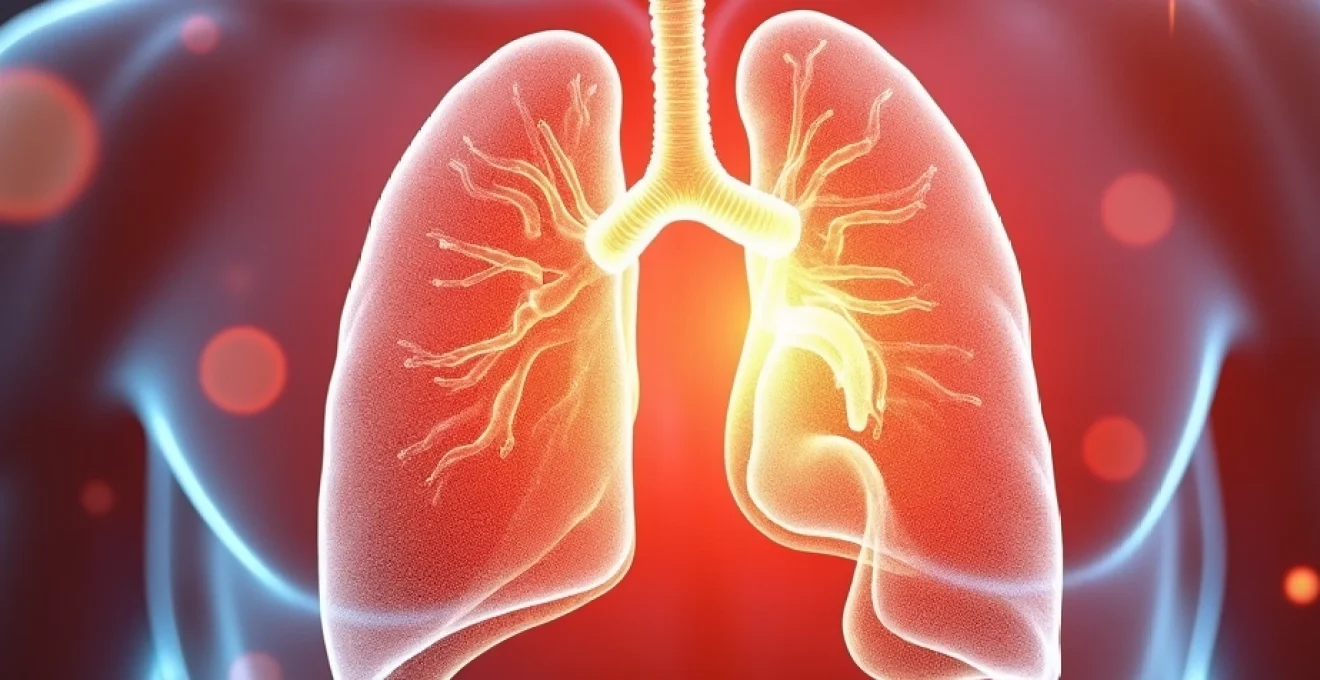
The relationship between hunger and chest pain represents a fascinating intersection of gastrointestinal physiology and cardiovascular symptomatology that often perplexes both patients and healthcare professionals. While chest pain typically raises immediate concerns about cardiac conditions, hunger can indeed trigger sensations in the chest region through various physiological mechanisms. Understanding these connections becomes crucial when distinguishing between benign hunger-related discomfort and potentially serious cardiac events that require immediate medical attention.
The human body’s response to hunger involves complex hormonal cascades, neural pathways, and metabolic adjustments that can manifest as chest sensations. These mechanisms range from direct gastric effects on adjacent structures to systemic responses involving the autonomic nervous system. Recognition of hunger-induced chest pain patterns enables more accurate clinical assessment and reduces unnecessary anxiety about potential cardiac emergencies.
Physiological mechanisms behind Hunger-Induced chest discomfort
The physiological basis for hunger-related chest pain encompasses multiple interconnected systems within the human body. When examining these mechanisms, it becomes clear that the proximity of digestive organs to cardiac structures creates opportunities for symptom overlap and misinterpretation.
Gastric distension and vagal nerve stimulation
During prolonged fasting states, the empty stomach undergoes contractions known as migrating motor complexes, which can create sensations that radiate beyond the typical epigastric region. These contractions stimulate the vagus nerve, which carries both motor and sensory fibres connecting the brain to various thoracic and abdominal organs. The vagal response can trigger referred pain patterns that manifest in the chest, particularly in the retrosternal area where patients commonly experience what they describe as hunger-related discomfort.
The anatomical positioning of the stomach directly beneath the diaphragm creates additional complexity in symptom localisation. When gastric contractions occur, they can influence diaphragmatic movement and create sensations that patients interpret as chest pain. This mechanism explains why some individuals experience chest tightness or discomfort specifically during periods of intense hunger, which resolves promptly upon eating.
Hypoglycaemia-triggered sympathetic nervous system activation
Extended periods without food consumption can lead to declining blood glucose levels, triggering a compensatory sympathetic nervous system response. This activation releases catecholamines, including adrenaline and noradrenaline, which can produce chest sensations remarkably similar to those experienced during anxiety or cardiac events. The sympathetic response increases heart rate, elevates blood pressure, and can create palpitations or chest tightness that patients associate with their hungry state.
Research indicates that blood glucose levels below 3.9 mmol/L (70 mg/dL) consistently trigger sympathetic activation in healthy individuals. This response serves as a protective mechanism to maintain cerebral glucose supply, but the accompanying cardiovascular effects can create confusion regarding symptom origin. The chest sensations resulting from hypoglycaemia-induced sympathetic activation typically resolve within 15-30 minutes of consuming appropriate nutrition.
Ghrelin release and cardiovascular response patterns
Ghrelin, often termed the “hunger hormone,” demonstrates direct cardiovascular effects beyond its well-established role in appetite regulation. Produced primarily by gastric fundal cells during fasting states, ghrelin influences cardiac contractility and can affect heart rhythm patterns. Studies have shown that elevated ghrelin levels can increase heart rate variability and create sensations of cardiac awareness that patients may interpret as chest discomfort.
The cardiovascular effects of ghrelin become particularly pronounced during extended fasting periods, such as those experienced with intermittent fasting protocols or unintentional meal skipping. These hormonal influences on cardiac function can create a sensation of chest fullness or mild discomfort that coincides with peak hunger periods, typically occurring 3-4 hours after the previous meal.
Gastro-oesophageal reflux during prolonged fasting states
Paradoxically, both eating and fasting can contribute to gastro-oesophageal reflux disease (GERD) symptoms, including chest pain. During prolonged fasting, gastric acid production continues while protective food buffering is absent, potentially leading to increased acid exposure of the lower oesophageal sphincter. This can result in acid reflux episodes that create burning chest sensations, particularly when lying down or bending forward.
The relationship between hunger and GERD-related chest pain becomes more complex when considering individual variations in gastric acid production and oesophageal sensitivity. Some patients experience increased reflux symptoms during fasting periods, while others find that regular eating patterns help control their symptoms. Understanding these patterns becomes crucial for distinguishing between hunger-related discomfort and acid reflux-induced chest pain.
Clinical differential diagnosis: hunger vs cardiac chest pain symptoms
Distinguishing between hunger-related chest discomfort and genuine cardiac pathology requires systematic evaluation of symptom characteristics, timing, and associated features. This differential diagnosis process becomes particularly challenging when patients present with atypical symptom patterns or when multiple mechanisms contribute to their discomfort.
Angina pectoris characteristic pain patterns and location
Angina pectoris typically presents as pressure, squeezing, or heaviness in the central chest region, often radiating to the left arm, jaw, or back. The pain usually occurs with exertion, emotional stress, or exposure to cold, and responds to rest or sublingual nitroglycerin within 1-3 minutes. In contrast, hunger-related chest discomfort tends to localise more centrally or in the epigastric region, rarely radiates to classic anginal distribution areas, and shows clear temporal relationships with meal timing rather than physical activity.
The quality of hunger-associated chest sensations differs markedly from anginal pain. Patients often describe hunger-related discomfort as gnawing, burning, or cramping, rather than the characteristic pressure or squeezing sensation of angina. These qualitative differences in pain description provide valuable diagnostic clues, though individual patient perception and description abilities can introduce variability in symptom reporting.
Myocardial infarction warning signs and temporal patterns
Myocardial infarction typically presents with severe, crushing chest pain that persists beyond 20 minutes and fails to respond to rest or nitroglycerin. Associated symptoms frequently include diaphoresis, nausea, shortness of breath, and a sense of impending doom. The temporal pattern of myocardial infarction pain shows no relationship to meal timing or hunger states, unlike the predictable patterns observed with hunger-related discomfort.
Hunger-induced chest sensations demonstrate clear temporal relationships with food intake, typically occurring 2-4 hours after meals and resolving within minutes of eating. This predictable pattern contrasts sharply with the unpredictable onset and persistent nature of myocardial infarction pain. However, atypical presentations of cardiac events can occasionally complicate this differential diagnosis, particularly in elderly patients or those with diabetes who may experience altered pain perception.
Gastritis and peptic ulcer disease symptom presentation
Gastritis and peptic ulcer disease can produce chest sensations that overlap significantly with hunger-related discomfort, creating diagnostic challenges. Peptic ulcer pain classically occurs 1-3 hours after meals and may be relieved by eating, similar to hunger-induced discomfort. However, peptic ulcer pain tends to be more severe, may awaken patients from sleep, and often demonstrates seasonal patterns or relationship to specific triggers such as NSAIDs or alcohol consumption.
The differentiation between gastritis-related chest pain and simple hunger discomfort often requires consideration of additional symptoms. Gastritis typically produces more persistent symptoms, may include bloating, early satiety, and can demonstrate less predictable relief with food consumption. Patients with gastritis may also report that certain foods exacerbate their symptoms, whereas pure hunger-related discomfort typically improves with any food intake regardless of type.
Oesophageal spasm and motility disorder manifestations
Oesophageal motility disorders can create chest pain that mimics both cardiac and hunger-related symptoms. Oesophageal spasms produce severe, cramping chest pain that may occur spontaneously or in response to swallowing, temperature changes, or emotional stress. Unlike hunger-related discomfort, oesophageal spasm pain is often more severe, may radiate to the back, and shows no consistent relationship to meal timing or hunger states.
The distinction between oesophageal spasm and hunger-induced chest sensations becomes clearer when examining trigger factors and response patterns. Oesophageal spasm may be triggered by specific foods, particularly cold liquids or carbonated beverages, and may not improve with simple food consumption. These diagnostic nuances require careful clinical evaluation and may necessitate specialised testing such as oesophageal manometry for definitive diagnosis.
Metabolic pathways contributing to Hunger-Related chest sensations
The metabolic basis for hunger-induced chest pain involves intricate biochemical pathways that extend far beyond simple gastric emptying. Understanding these pathways provides insight into why certain individuals experience more pronounced chest sensations during fasting states and how metabolic conditions can influence symptom presentation.
Glucose homeostasis plays a central role in hunger-related chest sensations through multiple mechanisms. As hepatic glycogen stores become depleted during fasting, the body initiates gluconeogenesis and increases sympathetic nervous system activity to maintain blood glucose levels. This metabolic shift triggers the release of counter-regulatory hormones including cortisol, growth hormone, and catecholamines, each contributing to cardiovascular effects that can manifest as chest sensations.
The ketogenic shift that occurs during prolonged fasting represents another metabolic pathway contributing to chest sensations. As the body transitions from glucose to fatty acid metabolism, ketone production increases, leading to changes in blood pH and electrolyte balance. These metabolic alterations can influence cardiac rhythm and create awareness of heartbeat or chest sensations that patients associate with their hungry state. This metabolic transition typically occurs 12-16 hours after the last meal in healthy individuals, coinciding with peak hunger sensations.
Adiponectin and leptin, hormones involved in long-term energy balance, also demonstrate cardiovascular effects that can contribute to hunger-related chest sensations. During fasting states, leptin levels decline while adiponectin levels may fluctuate, creating hormonal conditions that influence cardiac function and can generate chest awareness. These hormonal changes work synergistically with ghrelin and other hunger-related hormones to create the complex symptom patterns observed in clinical practice.
Evidence-based assessment techniques for Hunger-Associated chest pain
Clinical assessment of suspected hunger-related chest pain requires a systematic approach that combines careful history-taking with appropriate diagnostic testing. The evaluation process must balance the need to identify potentially serious cardiac conditions with recognition of benign, hunger-related symptoms that require no specific intervention beyond dietary counselling.
History-taking should focus on temporal patterns, with particular attention to the relationship between symptoms and meal timing. Patients with true hunger-related chest pain typically report symptom onset 2-4 hours after meals, with rapid resolution upon eating. The quality of pain description provides additional diagnostic value, with hunger-related discomfort more commonly described as gnawing, cramping, or burning rather than the pressure or squeezing sensations associated with cardiac pain.
Physical examination should include assessment of vital signs during both fasted and fed states when feasible. Hunger-related symptoms may be associated with mild tachycardia or blood pressure elevation due to sympathetic activation, but these changes are typically modest and resolve with food consumption. Cardiovascular examination should focus on identifying murmurs, gallops, or irregular rhythms that might suggest underlying cardiac pathology requiring further investigation.
Diagnostic testing for hunger-associated chest pain should be guided by clinical suspicion and risk stratification. Low-risk patients with typical hunger-related symptom patterns may require only basic laboratory evaluation including fasting glucose and complete blood count. Higher-risk patients or those with atypical presentations may benefit from electrocardiography, chest radiography, and cardiac enzymes to exclude underlying cardiac pathology. The decision to pursue advanced cardiac imaging should be based on established risk stratification algorithms rather than the presence of hunger-related symptoms alone.
The key to accurate diagnosis lies in recognising the consistent temporal patterns and characteristic quality of hunger-related chest sensations, while maintaining appropriate clinical vigilance for potentially serious cardiac conditions.
Medical management protocols for Hunger-Induced chest discomfort
Management of hunger-induced chest pain focuses primarily on dietary modifications and lifestyle adjustments rather than pharmacological interventions. The therapeutic approach should address both immediate symptom relief and long-term prevention strategies to minimise recurrence of problematic symptoms.
Dietary management forms the cornerstone of treatment, emphasising regular meal timing and appropriate macronutrient balance. Patients should be counselled to consume meals every 3-4 hours during waking hours, with particular attention to maintaining stable blood glucose levels through balanced carbohydrate intake. Small, frequent meals often prove more effective than traditional three-meal patterns for patients experiencing hunger-related chest sensations.
The composition of meals plays a crucial role in preventing hunger-induced chest pain. Meals should include adequate protein (20-30 grams per meal) and complex carbohydrates to promote satiety and maintain stable glucose levels. Simple sugars should be limited, as they can create reactive hypoglycaemia that may exacerbate symptoms. Healthy fats can be included to promote meal satisfaction and delay gastric emptying, though portion control remains important to prevent excessive caloric intake.
For patients who experience symptoms despite dietary modifications, additional strategies may be beneficial. These can include stress management techniques, since emotional stress can exacerbate hunger sensations and sympathetic nervous system activation. Regular physical activity helps improve glucose tolerance and may reduce the intensity of hunger-related symptoms, though exercise timing should be coordinated with meal schedules to prevent exercise-induced hypoglycaemia.
Successful management of hunger-induced chest pain requires a comprehensive approach that addresses both immediate symptom relief and underlying metabolic factors contributing to symptom development.
Patient education represents a critical component of management protocols, helping individuals understand the physiological basis for their symptoms and develop confidence in distinguishing between benign hunger-related discomfort and symptoms requiring immediate medical attention. Patients should be taught to recognise warning signs that warrant emergency evaluation, including severe chest pain lasting more than 15 minutes, radiation to arm or jaw, associated shortness of breath, or symptoms unrelated to hunger patterns. This educational approach empowers patients to make appropriate decisions about seeking medical care while avoiding unnecessary emergency department visits for benign symptoms.
Long-term monitoring should include periodic reassessment of symptom patterns and evaluation for underlying conditions that might contribute to hunger-related chest pain. Patients with persistent or worsening symptoms despite appropriate dietary management may require investigation for gastroesophageal reflux disease, peptic ulcer disease, or metabolic disorders that can influence hunger sensations and chest pain patterns. Regular follow-up allows for adjustment of management strategies and ensures that new symptoms or changing patterns receive appropriate clinical attention.