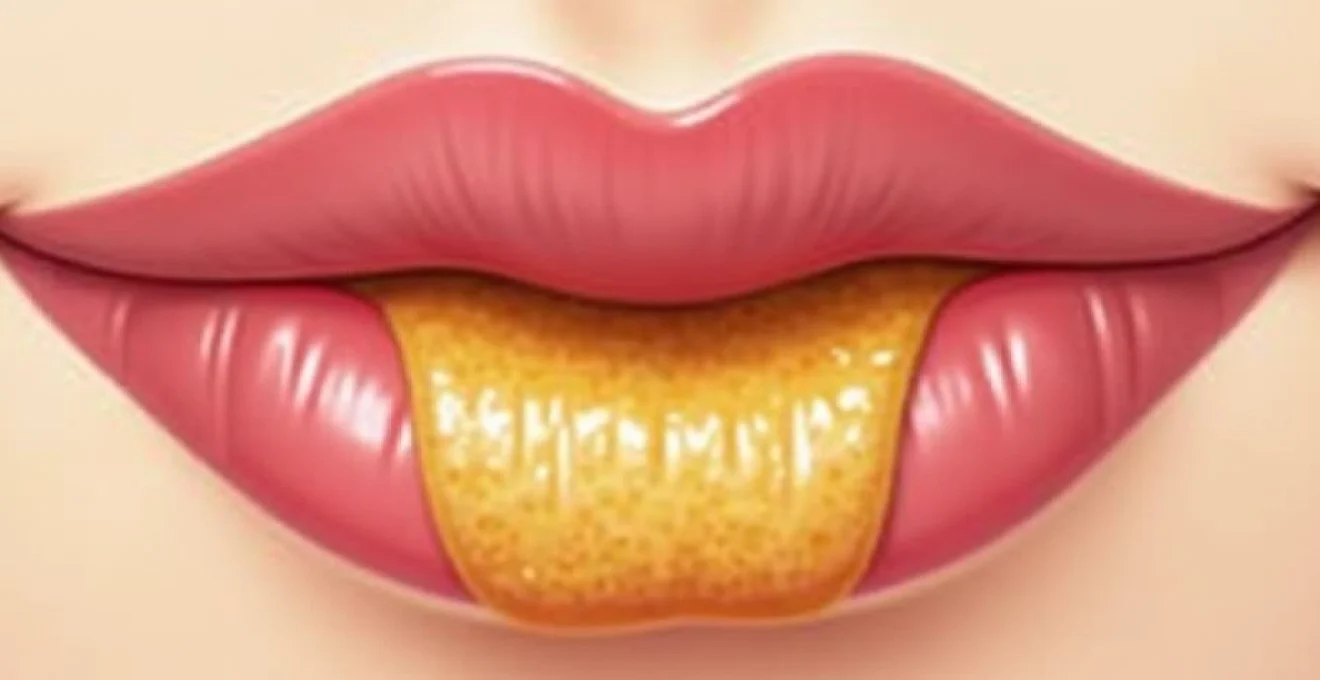
Yellow scabs on the lips can be concerning for many people, often causing anxiety about their appearance and potential underlying health issues. These distinctive lesions represent various pathological processes, from normal wound healing to infectious conditions requiring medical intervention. The labial tissue’s unique anatomy, with its thin epithelium and rich vascular supply, makes it particularly susceptible to injury and subsequent scab formation. Understanding the diverse aetiologies behind yellow lip scabs enables proper identification and appropriate treatment, preventing complications and ensuring optimal healing outcomes.
Herpes simplex virus (HSV) scab formation on labial tissue
Herpes simplex virus infections represent one of the most common causes of yellow scabbing on the lips, affecting millions of people worldwide. The virus primarily manifests as cold sores, which follow a predictable progression from initial tingling sensations to vesicle formation, ulceration, and finally scab development. This cyclical pattern creates distinctive yellow-crusted lesions that can persist for several days to weeks, depending on individual immune response and treatment interventions.
HSV-1 cold sore crusting process and yellow exudate development
The characteristic yellow appearance of HSV scabs results from the accumulation of serous fluid, fibrin, and cellular debris during the healing phase. Initially, viral replication causes tissue destruction and inflammation, leading to fluid-filled vesicles containing clear to cloudy liquid. As these vesicles rupture, the exposed tissue becomes vulnerable to secondary complications whilst simultaneously initiating the body’s natural repair mechanisms. The yellow colouration develops from the mixture of plasma proteins, white blood cells, and necrotic tissue that forms the protective crust over the healing ulcer.
Secondary bacterial infection of HSV lesions
Compromised epithelial barriers from HSV outbreaks create opportunistic entry points for bacterial pathogens, particularly when patients engage in lip picking or inadequate wound care. Staphylococcus aureus and Streptococcus pyogenes commonly colonise these lesions, producing purulent exudate that intensifies the yellow appearance of existing scabs. The combination of viral tissue damage and bacterial superinfection can significantly prolong healing times and increase the risk of scarring. Recognition of secondary bacterial involvement requires assessment of surrounding tissue inflammation, increased pain, and the presence of thick, opaque discharge.
Impetigo superinfection following viral outbreak
Impetigo represents a specific form of bacterial superinfection that can develop following HSV outbreaks, characterised by honey-crusted lesions with distinctive yellow-brown colouration. This superficial skin infection spreads rapidly through autoinoculation and direct contact, making prompt recognition and treatment essential. The pathognomonic golden-yellow crusts form when serous exudate dries and hardens, creating the classic impetigo appearance. Young children and immunocompromised individuals face higher risks of developing impetigo superinfection due to altered immune responses and increased likelihood of touching affected areas.
Staphylococcus aureus colonisation in compromised labial epithelium
Staphylococcus aureus demonstrates particular affinity for colonising damaged labial tissue, establishing biofilms that resist standard antimicrobial treatments. These bacterial communities produce toxins and enzymes that perpetuate inflammation whilst creating characteristic yellow-green exudates. The organism’s ability to produce coagulase contributes to the thick, purulent nature of infected scabs, distinguishing bacterial involvement from purely viral lesions. Methicillin-resistant Staphylococcus aureus (MRSA) strains pose additional therapeutic challenges, requiring culture-guided antibiotic selection for optimal treatment outcomes.
Healing phase serous drainage and fibrin deposition
Normal wound healing processes can produce yellow-tinged scabs through physiological mechanisms involving serous fluid accumulation and fibrin polymerisation. During the inflammatory phase, increased vascular permeability allows plasma proteins to extravasate into the wound bed, creating a protein-rich environment that appears yellow when dried. Fibrin networks form scaffolding for cellular migration and tissue repair, contributing to the structural integrity of healing scabs. This natural process differs from pathological yellow scabbing through the absence of purulent discharge, excessive inflammation, or systemic symptoms indicating infection.
Angular cheilitis and perioral dermatitis manifestations
Angular cheilitis and perioral dermatitis represent common dermatological conditions affecting the lip commissures and surrounding facial areas, often producing yellow-crusted lesions that can be mistaken for other pathologies. These conditions frequently occur in combination, sharing similar risk factors including moisture retention, mechanical irritation, and opportunistic microbial colonisation. The distinctive anatomical distribution and clinical presentation patterns help differentiate these conditions from isolated lip trauma or viral infections.
Candida albicans overgrowth in lip commissures
Candida albicans thrives in the warm, moist environment of lip commissures, particularly in individuals with predisposing factors such as ill-fitting dentures, excessive saliva production, or immunosuppression. The fungal overgrowth produces characteristic fissures with yellow-white exudate and surrounding erythema, creating painful splits at the corners of the mouth. Chronic candidosis can lead to persistent scabbing with yellow coloration from the combination of fungal debris, inflammatory exudate, and secondary bacterial colonisation. Risk factors include diabetes mellitus, iron deficiency anaemia, and vitamin B12 deficiency, all of which compromise local immune defences.
Contact dermatitis from lip balm ingredients
Allergic and irritant contact dermatitis from cosmetic products can produce yellow-crusted lesions through inflammatory cascades and subsequent tissue damage. Common allergens in lip products include fragrances, preservatives, lanolin, and certain plant extracts that trigger delayed-type hypersensitivity reactions. The resulting dermatitis manifests as erythema, scaling, and eventual crusting with yellow discolouration from serous exudate and cellular debris.
Repeated exposure to offending agents perpetuates the inflammatory cycle, preventing normal healing and maintaining the characteristic yellow scab appearance.
Seborrhoeic dermatitis extension to vermillion border
Seborrhoeic dermatitis commonly affects the perioral region, extending onto the vermillion border of the lips and creating yellow-scaled lesions with greasy texture. The condition results from Malassezia yeast overgrowth in sebaceous-rich areas, producing inflammatory mediators that damage epithelial barriers. The characteristic yellow scales form from the combination of excess sebum production, inflammatory exudate, and desquamating epithelial cells. Stress, hormonal fluctuations, and certain medications can exacerbate seborrhoeic dermatitis, leading to more prominent yellow crusting and prolonged healing times.
Nutritional deficiencies causing labial fissuring
Deficiencies in essential nutrients, particularly B-complex vitamins and iron, can compromise labial tissue integrity and predispose to fissure formation with subsequent yellow scabbing. Riboflavin (vitamin B2) deficiency specifically causes angular stomatitis with characteristic cracks and crusting at the mouth corners. Iron deficiency anaemia reduces tissue oxygenation and impairs wound healing, prolonging scab formation and altering normal coloration. These nutritional deficiencies often occur in combination, creating complex clinical presentations that require comprehensive assessment and targeted supplementation therapy.
Traumatic lip injuries and wound healing complications
Physical trauma to labial tissues from various sources can result in yellow scab formation through direct tissue damage and subsequent healing responses. The lips’ prominent position and frequent contact with environmental irritants make them particularly susceptible to mechanical, thermal, and chemical injuries. Understanding the diverse traumatic aetiologies helps clinicians differentiate between acute injuries requiring immediate intervention and chronic conditions necessitating long-term management strategies.
Mechanical trauma from habitual lip picking
Compulsive lip picking behaviours, often associated with anxiety disorders or obsessive-compulsive tendencies, create chronic wounds that develop characteristic yellow scabs through repeated trauma-healing cycles. The mechanical disruption prevents normal epithelial regeneration whilst introducing oral bacteria into open wounds, promoting secondary infection. Persistent picking behaviour maintains a chronic inflammatory state, leading to thickened, yellow-crusted lesions that may become permanently scarred. Psychological factors underlying these behaviours require addressing alongside local wound care for optimal treatment outcomes.
Chemical burns from acidic food substances
Exposure to highly acidic foods or beverages can cause chemical burns to labial tissues, resulting in tissue necrosis and subsequent yellow scab formation. Citrus fruits, vinegar-based products, and certain spicy foods contain acids that denature proteins and damage cellular membranes when contact is prolonged or repeated. The resulting chemical burns produce yellow-white eschars as necrotic tissue sloughs away, revealing underlying viable tissue.
The healing process involves inflammatory cell infiltration and plasma protein extravasation, contributing to the yellow colouration of developing scabs.
Solar cheilitis and actinic damage sequelae
Chronic ultraviolet radiation exposure causes cumulative DNA damage to labial epithelium, leading to solar cheilitis with characteristic scaling and crusting. The condition predominantly affects the lower lip due to its anatomical prominence and reduced natural UV protection compared to other facial areas. Actinic damage results in dysplastic epithelial changes with impaired healing responses, creating persistent yellow-scaled lesions that may progress to squamous cell carcinoma. Fair-skinned individuals and outdoor workers face elevated risks of developing solar cheilitis, requiring regular dermatological surveillance and aggressive photoprotection measures.
Post-surgical wound healing and scar tissue formation
Surgical procedures involving labial tissues commonly result in yellow scab formation during normal healing phases, particularly following excisional biopsies, cosmetic procedures, or trauma reconstruction. The surgical wound healing process involves haemostasis, inflammation, proliferation, and remodelling phases, each contributing to scab characteristics. Yellow coloration typically develops during the proliferative phase when granulation tissue formation and re-epithelialisation occur simultaneously. Proper post-operative care including wound cleansing, moisture maintenance, and infection prevention optimises healing outcomes and minimises abnormal scarring.
Systemic conditions manifesting as labial scabbing
Various systemic diseases can manifest with labial symptoms including yellow scab formation, making comprehensive patient assessment essential for accurate diagnosis. Autoimmune conditions, inflammatory disorders, and metabolic diseases frequently affect mucocutaneous tissues, with the lips serving as readily visible indicators of underlying pathology. Recognition of systemic disease patterns helps differentiate these conditions from localised labial pathology and guides appropriate systemic treatment approaches.
Behçet’s disease commonly presents with recurrent oral ulceration that can affect the lips, producing painful lesions with yellow-fibrinous bases during healing phases. The condition involves vasculitis affecting multiple organ systems, with oral involvement occurring in over 90% of patients. Systemic lupus erythematosus can cause chronic discoid lesions on the lips, particularly in photodistributed areas, leading to scarring and persistent yellow crusting. Crohn’s disease occasionally manifests with labial swelling and ulceration, creating cobblestone-like lesions with yellow exudate during active inflammatory phases.
Pemphigus vulgaris and other autoimmune blistering disorders frequently affect the oral mucosa and lips, producing painful erosions that heal with yellow-fibrinous crusting. These conditions result from autoantibodies targeting epithelial cell adhesion molecules, leading to acantholysis and subsequent blister formation. Kawasaki disease, predominantly affecting children, causes distinctive lip changes including erythema, oedema, and eventual desquamation with yellow crusting. The condition represents a systemic vasculitis with potential cardiac complications, making prompt recognition and treatment crucial for preventing long-term sequelae.
Diagnostic differentiation between yellow lip scab aetiologies
Accurate diagnosis of yellow lip scabs requires systematic evaluation considering patient history, clinical presentation patterns, and appropriate diagnostic testing. The differential diagnosis encompasses infectious, inflammatory, traumatic, and neoplastic conditions, each requiring specific therapeutic approaches. Careful attention to lesion morphology, distribution patterns, and associated symptoms helps narrow diagnostic possibilities and guide targeted investigations.
Clinical examination should assess lesion size, shape, texture, and surrounding tissue characteristics, noting any asymmetry or irregular borders suggestive of malignancy. Viral cultures remain the gold standard for HSV diagnosis, though rapid antigen detection and PCR testing offer improved turnaround times for acute management decisions. Bacterial cultures help identify specific pathogens and guide antibiotic selection, particularly in cases of suspected secondary infection or treatment failure.
Fungal culture and microscopy assist in diagnosing candidal involvement, especially in immunocompromised patients or those with risk factors for opportunistic infections.
Patch testing may be indicated when contact dermatitis is suspected, helping identify specific allergens responsible for persistent labial dermatitis. Nutritional assessment including complete blood count, iron studies, and B-vitamin levels can reveal underlying deficiencies contributing to poor wound healing. Biopsy should be considered for atypical lesions, those failing to respond to appropriate treatment, or when malignancy is suspected based on clinical characteristics or patient risk factors.
Treatment protocols for yellow scab resolution and prevention
Effective treatment of yellow lip scabs requires addressing underlying aetiologies whilst promoting optimal wound healing through supportive care measures. Treatment protocols should be individualised based on specific diagnostic findings, patient comorbidities, and lesion severity. Early intervention often prevents complications and reduces healing times, making prompt accurate diagnosis essential for optimal outcomes.
Antiviral therapy with aciclovir, valaciclovir, or famciclovir effectively reduces HSV outbreak duration and severity when initiated within 72 hours of symptom onset. Topical antiviral preparations provide localised treatment with minimal systemic absorption, though oral agents offer superior efficacy for severe or recurrent infections. Bacterial superinfection requires antibiotic therapy guided by culture results when available, with empirical treatment covering common gram-positive organisms in uncomplicated cases.
Supportive care measures include gentle wound cleansing with saline solution, application of protective barriers such as petroleum jelly, and avoidance of traumatic behaviours including lip picking or aggressive wiping. Adequate hydration and nutrition support optimal healing responses, whilst stress reduction techniques may help prevent recurrent outbreaks in susceptible individuals. Topical corticosteroids can reduce inflammation in non-infectious cases but should be used judiciously to avoid delayed healing or increased infection risk. Sun protection remains crucial for preventing actinic damage and reducing HSV reactivation triggered by ultraviolet exposure.