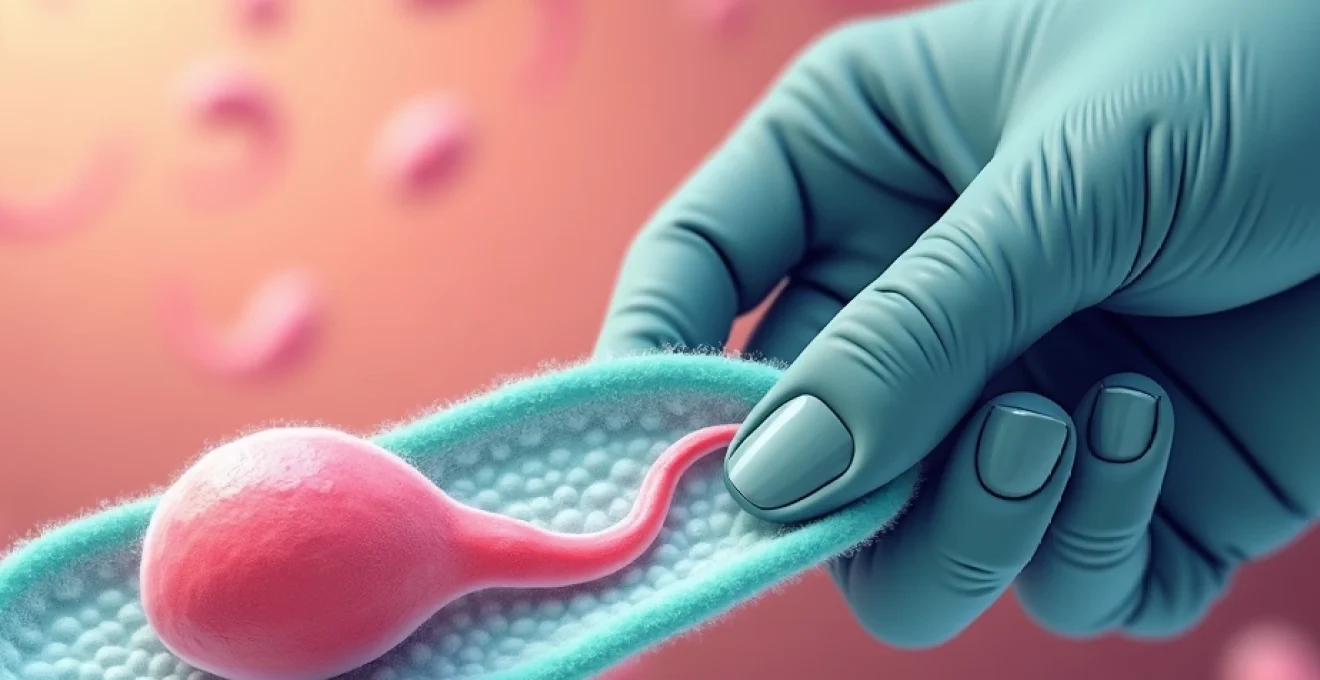
Understanding sperm viability within condoms presents crucial information for anyone concerned about contraceptive effectiveness and pregnancy prevention. When ejaculated into a condom during sexual intercourse, spermatozoa encounter a dramatically different environment compared to the natural reproductive tract. This altered microenvironment significantly impacts their survival duration, motility patterns, and overall cellular integrity. The confined space of a condom creates unique conditions that affect sperm longevity through multiple biological and chemical mechanisms.
Research indicates that sperm can survive inside condoms for varying periods, typically ranging from a few minutes to several hours , depending on numerous environmental factors and condom composition. However, this survival doesn’t necessarily equate to fertility potential, as the hostile conditions within most condoms rapidly compromise sperm function and viability. The intricate relationship between condom materials, chemical additives, and spermatozoa biology determines the precise duration of cellular survival and metabolic activity.
Sperm viability parameters in latex and Non-Latex condom materials
Different condom materials create distinct microenvironments that significantly influence spermatozoa survival rates and cellular function. The chemical composition of these materials interacts directly with sperm cell membranes, affecting their structural integrity and metabolic processes. Natural rubber latex, synthetic polyisoprene, and polyurethane each present unique challenges to sperm viability through different mechanisms of cellular interaction.
Standard latex condoms typically maintain sperm viability for 15 to 60 minutes after ejaculation, though this timeframe varies considerably based on storage temperature and environmental conditions. The alkaline pH of fresh semen initially protects spermatozoa, but the confined environment rapidly becomes acidic as bacterial growth accelerates and cellular waste products accumulate. This pH shift creates increasingly hostile conditions that compromise sperm membrane integrity and reduce motility parameters.
Polyisoprene condom effects on spermatozoa motility duration
Polyisoprene condoms, marketed as latex-free alternatives, demonstrate similar sperm survival characteristics to natural rubber latex products. Laboratory analysis reveals that spermatozoa maintain progressive motility for approximately 20 to 45 minutes within polyisoprene condom reservoirs under controlled conditions. The synthetic polymer structure creates a relatively inert environment that neither significantly enhances nor dramatically reduces sperm longevity compared to latex alternatives.
Temperature stability within polyisoprene condoms affects sperm survival duration more significantly than material composition alone. When stored at room temperature, these condoms maintain internal temperatures that gradually decline from body temperature, creating thermal stress that compromises sperm cellular function. The absence of the natural temperature regulation found in the female reproductive tract accelerates the deterioration of sperm motility and viability parameters.
Natural rubber latex impact on sperm cell membrane integrity
Natural rubber latex contains proteins and chemical compounds that can interact with sperm cell membranes, potentially affecting their structural stability and functional capacity. These interactions occur through both direct chemical contact and indirect osmotic stress mechanisms. The latex proteins may trigger inflammatory responses in sensitive individuals, but their impact on sperm viability appears minimal under normal usage conditions.
Research demonstrates that latex condoms maintain sperm survival rates comparable to other barrier methods, with cellular membrane integrity remaining stable for the initial 30 minutes post-ejaculation. However, prolonged exposure to latex materials may contribute to accelerated membrane degradation through protein-lipid interactions that compromise cellular permeability and metabolic function.
Polyurethane condom environments and acrosome reaction timing
Polyurethane condoms create unique environmental conditions that influence acrosome reaction timing in viable spermatozoa. The synthetic material’s smooth surface and chemical inertness provide a relatively neutral environment that may actually preserve sperm function slightly longer than latex alternatives. Laboratory studies indicate that polyurethane condoms maintain sperm motility for up to 75 minutes under optimal storage conditions.
The acrosome reaction, crucial for sperm’s ability to penetrate egg membranes, occurs prematurely in condom environments due to chemical stress and pH fluctuations. Polyurethane’s stable polymer structure minimises chemical interactions that could trigger premature acrosome reactions, potentially preserving sperm fertilisation capacity for extended periods compared to other condom materials.
Synthetic material ph levels and sperm survival rates
pH regulation within different condom materials significantly impacts sperm survival duration and cellular function. Fresh semen typically maintains an alkaline pH between 7.2 and 8.0, which supports optimal sperm motility and viability. However, the confined environment of condoms lacks the buffering capacity of the female reproductive tract, leading to rapid pH destabilisation that compromises sperm survival.
Synthetic condom materials generally maintain more stable internal pH levels compared to natural latex, potentially extending sperm viability by 10 to 15 minutes beyond latex condom survival times. The absence of organic compounds that could undergo bacterial fermentation helps maintain pH stability, though the accumulation of metabolic waste products eventually creates acidic conditions that prove lethal to spermatozoa regardless of condom material composition.
Environmental factors affecting sperm longevity within condom reservoirs
The microenvironment within condom reservoirs presents numerous challenges to sperm survival that extend beyond simple material compatibility. Temperature regulation, oxygen availability, moisture retention, and chemical exposure all contribute to the complex interplay of factors determining spermatozoa viability duration. Understanding these environmental parameters provides insight into the biological mechanisms that limit sperm survival in artificial containment systems.
Ambient temperature plays a crucial role in determining sperm longevity within condoms, with optimal survival occurring at temperatures between 15°C and 25°C . Body temperature exposure during and immediately after ejaculation provides ideal conditions initially, but the subsequent cooling process creates thermal stress that compromises cellular function. The rate of temperature change significantly impacts sperm survival, with gradual cooling proving less detrimental than rapid temperature fluctuations.
Temperature fluctuations and spermatozoa metabolic activity
Temperature variations within condom environments directly influence spermatozoa metabolic activity and energy production mechanisms. Optimal sperm function requires precise temperature control, typically maintained at 2-3 degrees below body temperature in natural conditions. The confined space of condoms lacks this temperature regulation, leading to metabolic stress that rapidly depletes cellular energy reserves and compromises motility function.
Research indicates that sperm metabolism slows significantly when temperatures drop below 30°C, extending survival duration but reducing functional capacity. Conversely, prolonged exposure to body temperature accelerates metabolic activity, depleting energy stores more rapidly and reducing overall survival time to 15-30 minutes in most condom environments.
Oxygen depletion rates in sealed condom compartments
Oxygen availability within sealed condom reservoirs becomes critically limited as spermatozoa consume available oxygen for cellular respiration. The confined space contains insufficient oxygen reserves to support extended sperm survival, with complete depletion occurring within 45-60 minutes under normal conditions. This oxygen limitation creates anaerobic conditions that prove hostile to sperm cellular function and viability.
The transition from aerobic to anaerobic metabolism significantly impacts sperm energy production and motility patterns. Without adequate oxygen supply, spermatozoa cannot maintain the ATP production necessary for flagellar movement and cellular maintenance functions. This metabolic shift contributes substantially to the rapid decline in sperm viability observed in condom environments.
Moisture retention and osmotic pressure effects on gametes
Moisture levels within condom reservoirs affect osmotic pressure and cellular hydration status in ejaculated spermatozoa. The sealed environment initially maintains high humidity levels that support sperm survival, but evaporation through condom materials gradually reduces moisture availability. This dehydration process creates osmotic stress that compromises cell membrane integrity and reduces motility function.
Osmotic pressure changes occur as water evaporates and solute concentrations increase within the confined semen sample. These concentration gradients stress sperm cell membranes through both hypertonic and hypotonic conditions, depending on the specific area within the condom reservoir. Such osmotic fluctuations contribute significantly to cellular membrane damage and reduced viability duration.
Lubricant chemical composition impact on sperm vitality
Pre-lubricated condoms contain chemical compounds that directly interact with spermatozoa and influence their survival duration and functional capacity. Water-based lubricants typically contain glycerin, propylene glycol, and various preservatives that can create osmotic stress or chemical toxicity in sperm cells. These interactions occur immediately upon contact, affecting both motility patterns and cellular viability.
Silicone-based lubricants demonstrate greater compatibility with sperm survival, showing minimal direct cytotoxic effects on spermatozoa. However, even inert lubricant formulations alter the chemical environment within condoms, affecting pH levels and osmotic pressure in ways that compromise sperm longevity. The concentration and specific formulation of lubricant additives determine the severity of these effects on sperm cellular function .
Carbon dioxide accumulation and cellular respiration inhibition
Carbon dioxide accumulation within sealed condom environments creates additional challenges for sperm survival and cellular function. As spermatozoa metabolise available nutrients and oxygen, they produce carbon dioxide waste products that cannot escape the confined space. This CO2 buildup creates acidic conditions that inhibit cellular respiration and compromise metabolic efficiency.
The carbonic acid formation from dissolved CO2 contributes to the rapid pH decline observed in condom environments, creating conditions that prove increasingly hostile to sperm survival. High CO2 concentrations also interfere with cellular enzyme function and energy production pathways, accelerating the decline in sperm viability and motility parameters within 30-45 minutes post-ejaculation.
Spermicide and chemical additive interactions with viable spermatozoa
Chemical additives incorporated into condom manufacturing and lubrication systems significantly impact sperm survival through various cytotoxic and membrane-disrupting mechanisms. These compounds range from spermicidal agents designed to kill spermatozoa to preservatives and stabilizers that inadvertently affect sperm viability. Understanding these chemical interactions provides crucial insight into the biological processes that limit sperm survival in treated condom environments.
Spermicidal condoms contain active ingredients specifically formulated to eliminate spermatozoa through targeted cellular damage mechanisms. The most common spermicidal agent, nonoxynol-9, demonstrates rapid and effective sperm-killing properties, reducing viable sperm counts to near-zero levels within 2-5 minutes of contact. However, concerns about increased infection risks have led to reduced recommendations for spermicidal condom use in many healthcare guidelines.
Nonoxynol-9 cytotoxic effects on sperm cell walls
Nonoxynol-9 functions as a surfactant that disrupts sperm cell membrane integrity through detergent-like action on lipid bilayers. This chemical mechanism causes rapid membrane permeabilisation that proves immediately lethal to spermatozoa. The compound’s effectiveness stems from its ability to dissolve membrane phospholipids, creating pores that compromise cellular integrity and cause immediate cell death.
Research demonstrates that nonoxynol-9 concentrations as low as 0.1% effectively eliminate sperm viability within minutes of exposure . The compound’s rapid action makes spermicidal condoms highly effective at preventing sperm survival, though concerns about tissue irritation and increased infection susceptibility have limited their clinical recommendations in recent years.
Benzalkonium chloride membrane disruption mechanisms
Benzalkonium chloride represents an alternative spermicidal agent that demonstrates effectiveness through different cellular disruption mechanisms compared to nonoxynol-9. This quaternary ammonium compound interacts with sperm cell membranes through electrostatic interactions that compromise membrane stability and cellular function. The compound’s cationic nature allows it to bind readily with negatively charged membrane components.
Laboratory studies indicate that benzalkonium chloride maintains spermicidal effectiveness while potentially causing less tissue irritation than nonoxynol-9 formulations. The compound eliminates sperm viability within 3-7 minutes of contact, though its cytotoxic effects extend beyond spermatozoa to include other cellular types, raising concerns about mucosal tissue damage with repeated exposure.
Silicone-based lubricant compatibility with sperm survival
Silicone-based lubricants demonstrate superior compatibility with sperm survival compared to water-based alternatives, showing minimal direct cytotoxic effects on spermatozoa cellular function. These formulations typically contain cyclic silicone compounds that remain chemically inert when in contact with biological tissues and cells. The absence of water-soluble additives reduces osmotic stress and chemical irritation potential.
Studies reveal that silicone lubricants may actually extend sperm survival duration by 10-15 minutes compared to condoms containing water-based lubricants. The stable chemical nature of silicone polymers prevents pH disruption and maintains moisture levels that support cellular function, though the confined environment ultimately limits survival regardless of lubricant compatibility.
Glycerin and propylene glycol osmotic stress responses
Glycerin and propylene glycol, common components in water-based condom lubricants, create osmotic stress conditions that compromise sperm cellular integrity and function. These hygroscopic compounds alter the osmotic balance of seminal fluid, drawing water from sperm cells and creating cellular dehydration that proves detrimental to viability and motility. The concentration gradient established by these compounds affects membrane permeability and cellular volume regulation.
The osmotic effects of glycerin-containing lubricants become apparent within 5-10 minutes of contact, causing visible changes in sperm morphology and motility patterns. Propylene glycol demonstrates similar effects, though its lower molecular weight may result in more rapid cellular penetration and potentially greater cytotoxic impact on spermatozoa function and survival duration.
Clinical laboratory analysis methods for Post-Condom sperm assessment
Laboratory evaluation of sperm recovered from condoms requires specialised analytical techniques that account for the altered cellular characteristics resulting from condom storage. Standard semen analysis protocols must be modified to accommodate the unique challenges presented by condom-stored specimens, including changes in pH, contamination with lubricants, and potential chemical residues that interfere with standard assessment methods.
Microscopic evaluation of condom-recovered sperm reveals significant morphological changes compared to fresh ejaculate samples. These alterations include membrane blebbing, flagellar damage, and altered head morphology that reflect the cellular stress experienced during condom storage. Motility assessments require careful consideration of these morphological changes when interpreting movement patterns and classifying sperm function categories.
Computer-assisted sperm analysis (CASA) systems provide objective measurements of sperm motility parameters in condom-stored samples, though calibration adjustments may be necessary to account for altered viscosity and debris contamination. The presence of lubricant residues can interfere with automated tracking algorithms, requiring manual verification of motility classifications and concentration measurements to ensure accuracy.
Viability staining techniques, including eosin-nigrosin and propidium iodide assays, remain effective for assessing membrane integrity in condom-stored sperm specimens. However, extended storage duration may affect staining patterns and require modified interpretation criteria. Live-dead discrimination becomes more challenging as storage time increases and membrane damage accumulates from environmental stresses.
Laboratory analysis of condom-stored sperm requires recognition that cellular deterioration occurs rapidly, with significant changes in motility and viability parameters evident within the first hour of storage.
DNA integrity assessment through techniques such as sperm chromatin structure assay (SCSA) and terminal deoxynucleotidyl transferase dUTP nick end labeling (TUNEL) provides valuable information about genetic material preservation in condom environments. These molecular analyses reveal that DNA fragmentation increases progressively during condom storage, with measurable changes occurring within 30-60 minutes of ejaculation.
Standardized protocols for condom sperm analysis include immediate sample processing, temperature control during transport, and careful documentation of storage conditions and duration. These procedural requirements ensure consistent results and enable meaningful comparison between different condom types, storage conditions, and individual specimens for both clinical and research applications.
Forensic applications and DNA degradation timelines in contraceptive devices
Forensic analysis of condoms containing spermatozoa presents unique challenges related to DNA preservation and degradation patterns under various storage conditions. The confined environment of used condoms creates specific conditions that influence the rate of genetic material deterioration, affecting the reliability and interpretability of forensic evidence. Understanding these degradation timelines becomes crucial for legal proceedings and criminal investigations where condom-recovered specimens serve as potential evidence.
DNA degradation within condom environments follows predictable patterns influenced by temperature, pH changes, and bacterial contamination levels. Initial DNA integrity remains relatively stable for the first 2-4 hours post-ejaculation when condoms are stored at room temperature, though measurable fragmentation begins within the first hour. Environmental factors such as heat exposure, moisture levels, and chemical contamination significantly accelerate DNA breakdown processes.
Forensic laboratories employ specialized extraction techniques to recover viable DNA from condom-stored semen samples, often requiring modified protocols to account for degraded genetic material and chemical interference. Short tandem repeat (STR) analysis remains the gold standard for forensic identification, though success rates decrease progressively with extended storage duration and adverse environmental conditions.
The polymerase chain reaction (PCR) amplification process may encounter inhibition from lubricant residues and chemical additives present in condom samples. These substances can interfere with DNA polymerase activity and primer binding, requiring purification steps and modified amplification protocols to achieve reliable results. Success rates for genetic profiling from condom samples typically range from 85-95% within 24 hours to 60-75% after 48-72 hours of storage.
Forensic DNA analysis from condom-stored specimens requires careful consideration of degradation factors and may necessitate specialized extraction and amplification techniques to overcome chemical interference and genetic material deterioration.
Temperature fluctuations during storage significantly impact DNA preservation, with consistent refrigeration extending viable analysis windows compared to ambient temperature storage. Bacterial growth within condom environments produces nucleases that actively degrade DNA molecules, accelerating the loss of forensic utility. Chemical preservatives in some condom formulations may actually enhance DNA stability, though this effect varies considerably between different product types and storage conditions.
Comparative studies between condom-stored and fresh ejaculate specimens
Research comparing fresh semen samples with condom-stored specimens reveals significant differences in sperm viability parameters, cellular morphology, and biochemical characteristics. These comparative studies provide essential data for understanding the impact of condom storage on spermatozoa function and inform clinical decision-making regarding fertility assessments and forensic applications. The controlled laboratory conditions used in these investigations allow precise measurement of storage-related changes over time.
Fresh ejaculate samples maintain optimal sperm concentration, motility, and morphological characteristics when analyzed within 30-60 minutes of collection. Condom-stored samples demonstrate progressive deterioration in all measured parameters, with statistically significant differences emerging within 15-20 minutes of storage. These changes include reduced progressive motility, increased morphological abnormalities, and decreased membrane integrity scores.
Motility assessments reveal that fresh specimens typically maintain 60-70% progressive motility for several hours under optimal conditions, while condom-stored samples show rapid decline to 20-30% progressive motility within the first hour. The rate of decline varies significantly between different condom types, with latex condoms showing faster motility loss compared to polyisoprene alternatives. Temperature control during storage influences these comparisons, with refrigerated samples showing better preservation than room temperature storage.
Morphological analysis demonstrates that condom storage accelerates the development of cellular abnormalities, including head defects, midpiece swelling, and flagellar damage. Fresh specimens typically exhibit 4-10% abnormal forms, while condom-stored samples may show 15-25% abnormal morphology after just one hour of storage. These morphological changes reflect the cellular stress imposed by the altered chemical and physical environment within condoms.
Biochemical markers of cellular function, including ATP levels, enzyme activity, and membrane potential measurements, show dramatic differences between fresh and condom-stored specimens. ATP concentration, essential for sperm motility and cellular maintenance, decreases by 40-60% within the first 30 minutes of condom storage. Enzyme activities related to energy metabolism and membrane function similarly decline rapidly in the confined condom environment.
DNA integrity comparisons reveal that fresh semen maintains low levels of DNA fragmentation (<5% using TUNEL assay) for extended periods under optimal storage conditions. Condom-stored specimens show progressive increases in DNA fragmentation, reaching 15-20% fragmented DNA within 2-4 hours of storage. This genetic material deterioration has significant implications for both fertility potential and forensic applications.
Bacterial contamination rates differ substantially between fresh and condom-stored samples, with the confined condom environment promoting rapid bacterial growth that accelerates cellular deterioration. Fresh specimens maintained under sterile conditions remain relatively free from bacterial contamination, while condom samples show detectable bacterial populations within 1-2 hours of storage. This bacterial growth contributes to pH changes, toxic metabolite production, and accelerated sperm death.
Osmotic pressure measurements indicate that fresh semen maintains stable osmolarity that supports optimal sperm function, while condom environments show progressive changes in osmotic balance due to water loss and chemical interactions. These osmotic fluctuations stress sperm cell membranes and contribute to the rapid functional decline observed in comparative studies. The magnitude of these changes varies with condom material and lubricant composition.
Recovery rates for viable sperm differ significantly between fresh and stored specimens when processed for assisted reproductive technologies. Fresh samples typically yield high recovery rates of motile sperm suitable for clinical procedures, while condom-stored samples show reduced recovery efficiency and decreased post-processing survival rates. These differences impact the clinical utility of condom-collected specimens for fertility treatments.
Antioxidant capacity measurements reveal that condom storage rapidly depletes the natural antioxidant systems present in seminal fluid, exposing spermatozoa to oxidative stress that accelerates cellular damage. Fresh specimens maintain robust antioxidant defenses that protect against reactive oxygen species, while condom environments lack these protective mechanisms, leading to lipid peroxidation and membrane damage that compromise sperm viability and function.