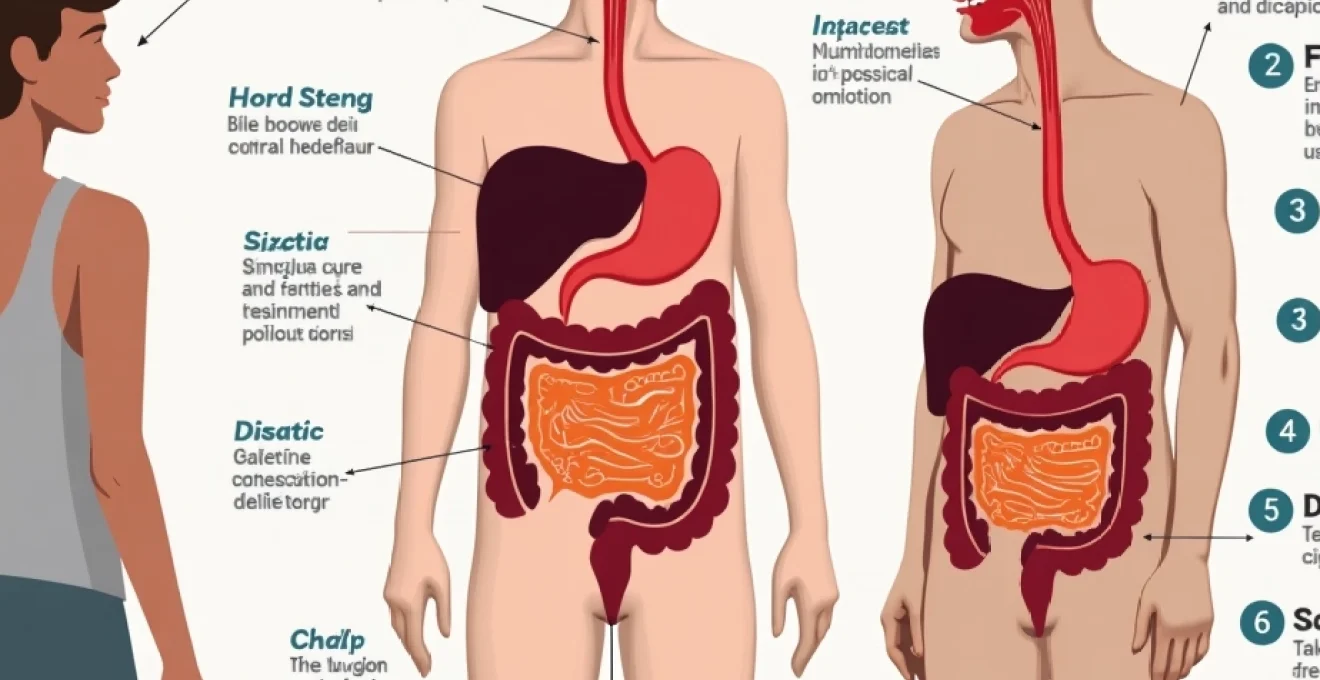
The aftermath of gallbladder removal surgery often presents patients with unexpected digestive challenges that mirror irritable bowel syndrome symptoms. Cholecystectomy, whilst considered a routine and generally safe procedure, can trigger a cascade of gastrointestinal complications that significantly impact quality of life. These post-surgical manifestations, collectively termed post-cholecystectomy syndrome, affect approximately 10-15% of patients who undergo gallbladder removal, creating a complex clinical picture that requires careful evaluation and management.
Understanding the intricate relationship between gallbladder removal and subsequent IBS-like symptoms has become increasingly important as surgical rates continue to rise globally. The anatomical and physiological changes following cholecystectomy create a unique environment within the digestive system, often leading to symptoms that closely resemble functional bowel disorders. This complexity frequently challenges healthcare professionals in providing accurate diagnoses and effective treatment strategies for affected patients.
Post-cholecystectomy syndrome: understanding IBS-Like manifestations
Post-cholecystectomy syndrome encompasses a broad spectrum of digestive symptoms that emerge following gallbladder removal, creating clinical presentations remarkably similar to irritable bowel syndrome. The syndrome affects patients differently, with some experiencing immediate onset of symptoms whilst others develop complications months or even years after their surgical procedure. This variability in symptom presentation often complicates the diagnostic process and requires comprehensive clinical assessment.
The primary manifestations of post-cholecystectomy syndrome include chronic abdominal pain, bloating, nausea, and altered bowel habits that closely mirror IBS symptomatology. Patients frequently report a sense of incomplete evacuation, urgency, and alternating patterns of diarrhoea and constipation. These symptoms can significantly impact daily functioning and often lead to repeated medical consultations as patients seek relief from their persistent digestive distress.
The distinction between genuine IBS development and post-surgical complications remains one of the most challenging aspects of post-cholecystectomy patient care, requiring careful clinical evaluation and often multiple diagnostic approaches.
Bile acid malabsorption and colonic motility disruption
Bile acid malabsorption represents one of the most significant contributors to IBS-like symptoms following cholecystectomy. Without the gallbladder’s regulatory function, bile acids flow continuously into the duodenum, overwhelming the terminal ileum’s absorption capacity. This excess bile acid spillover into the colon creates a potent secretagogue effect, stimulating chloride and water secretion whilst simultaneously accelerating colonic transit times.
The colonic response to increased bile acid exposure involves complex interactions between enterocytes and enteric nervous system pathways. Bile acids activate specific receptors, including TGR5 and FXR, which modulate inflammatory responses and alter gut motility patterns. This biochemical cascade often results in the characteristic watery diarrhoea and cramping pain that patients experience, symptoms that closely resemble IBS-D manifestations.
Postcholecystectomy diarrhoea pathophysiology
The pathophysiology of postcholecystectomy diarrhoea involves multiple interconnected mechanisms that extend beyond simple bile acid malabsorption. Alterations in gut microbiota composition, changes in enterohepatic circulation, and modified gastric emptying patterns all contribute to the development of chronic loose stools. These changes create a self-perpetuating cycle of digestive dysfunction that can persist for extended periods.
Gastric emptying acceleration following cholecystectomy often leads to rapid delivery of partially digested food into the small intestine. This phenomenon, combined with altered bile acid concentrations, creates optimal conditions for bacterial overgrowth and fermentation. The resulting production of short-chain fatty acids and gas can exacerbate symptoms, creating bloating, distension, and further motility disturbances that mirror functional bowel disorders.
Small intestinal bacterial overgrowth development
Small intestinal bacterial overgrowth frequently develops following gallbladder removal due to altered bile flow patterns and reduced antimicrobial bile acid concentrations in the proximal small bowel. The absence of gallbladder contractions eliminates the natural flushing mechanism that helps maintain appropriate bacterial populations in the duodenum and jejunum. This environment allows pathogenic bacteria to colonise areas typically maintained in a relatively sterile state.
The overgrowth of bacteria in the small intestine leads to excessive fermentation of carbohydrates, producing hydrogen and methane gases that contribute to bloating and abdominal distension. Additionally, bacterial deconjugation of bile salts reduces their effectiveness in fat digestion, leading to steatorrhoea and further digestive complications. These symptoms often overlap significantly with IBS presentations, making differential diagnosis challenging.
Sphincter of oddi dysfunction secondary effects
Sphincter of Oddi dysfunction represents a significant complication following cholecystectomy, affecting the coordinated release of bile and pancreatic enzymes into the duodenum. The surgical disruption of normal gallbladder-sphincter coordination can lead to spastic or atonic sphincter responses, creating intermittent biliary and pancreatic duct obstruction. This dysfunction often manifests as episodic right upper quadrant pain that radiates to the back, accompanied by nausea and digestive disturbances.
The secondary effects of sphincter dysfunction extend beyond pain management, significantly impacting overall digestive function. Impaired bile and enzyme delivery creates maldigestion of fats and fat-soluble vitamins, leading to nutritional deficiencies and altered gut microbiota. These changes contribute to the development of IBS-like symptoms, particularly bloating, cramping, and altered stool consistency that patients experience long after their initial surgery.
Anatomical and physiological changes following laparoscopic cholecystectomy
Laparoscopic cholecystectomy fundamentally alters the anatomical relationships within the hepatobiliary system, creating permanent changes that affect digestive physiology. The removal of the gallbladder eliminates the body’s primary bile storage and concentration mechanism, forcing the liver to adapt to continuous bile production and delivery. This adaptation process often takes several months and may never fully compensate for the loss of gallbladder function, particularly in terms of postprandial bile acid delivery timing.
The surgical procedure itself can cause adhesion formation and minor anatomical distortions that affect adjacent organs’ function. Inflammatory responses triggered by laparoscopic intervention may persist for extended periods, contributing to ongoing visceral hypersensitivity and altered pain perception. These changes can create a foundation for functional gastrointestinal disorders to develop, particularly in patients with pre-existing digestive sensitivities.
Hepatic bile flow alterations and duodenal delivery
Following cholecystectomy, hepatic bile flow patterns undergo significant modifications as the liver compensates for the absence of gallbladder storage capacity. Continuous bile drainage through the common bile duct creates a steady but diluted flow of bile acids into the duodenum, contrasting sharply with the concentrated, meal-stimulated bile release that occurs with an intact gallbladder. This altered delivery pattern affects the timing and efficiency of fat digestion, often leading to postprandial discomfort and digestive symptoms.
The hepatocyte response to continuous bile drainage involves upregulation of bile acid synthesis pathways and modification of bile composition. These adaptations can take several months to establish and may result in bile that differs significantly in concentration and composition from pre-surgical bile. The altered bile characteristics can affect gut microbiota composition and intestinal barrier function, contributing to the development of IBS-like symptoms in susceptible individuals.
Gallbladder contractile function loss impact
The loss of gallbladder contractile function following cholecystectomy eliminates a crucial component of the digestive process that coordinates bile release with food intake. Gallbladder contractions, stimulated by cholecystokinin release during meals, normally provide concentrated bile acids precisely when needed for optimal fat digestion. Without this coordinated response, patients often experience suboptimal fat digestion and absorption, leading to symptoms such as bloating, flatulence, and loose stools.
The absence of gallbladder contractile function also affects the enterohepatic circulation of bile acids, disrupting the normal recycling process that maintains bile acid pools. This disruption can lead to compensatory increases in hepatic bile acid synthesis, potentially overwhelming the terminal ileum’s absorption capacity. The resulting bile acid spillover into the colon creates the characteristic secretory diarrhoea that many post-cholecystectomy patients experience, mimicking IBS-D presentations.
Cholecystokinin response modifications
Cholecystokinin signalling pathways undergo significant modifications following gallbladder removal, affecting not only bile release but also pancreatic enzyme secretion and gastric emptying. The absence of the gallbladder as a target organ for cholecystokinin creates altered feedback mechanisms that can affect the hormone’s overall production and effectiveness. These changes often result in suboptimal digestive enzyme coordination and altered gastrointestinal motility patterns.
Modified cholecystokinin responses can contribute to the development of postprandial symptoms that closely resemble functional dyspepsia and IBS. Patients frequently report early satiety, bloating, and abdominal discomfort following meals, symptoms that may persist for months or years after surgery. The altered hormone signalling also affects gut-brain axis communication, potentially contributing to the development of visceral hypersensitivity and pain amplification that characterises functional bowel disorders.
Enterohepatic circulation disruption
Enterohepatic circulation disruption represents one of the most significant physiological consequences of cholecystectomy, affecting bile acid recycling efficiency and overall digestive function. The normal recycling process, which recovers approximately 95% of bile acids from the terminal ileum, becomes less efficient without the gallbladder’s concentrating and storage functions. This inefficiency can lead to increased hepatic bile acid synthesis demands and potential depletion of the bile acid pool during periods of high digestive activity.
The disrupted circulation pattern often results in irregular bile acid delivery to the colon, creating intermittent episodes of secretory diarrhoea interspersed with periods of normal bowel function. This pattern closely mimics the alternating bowel habits characteristic of mixed-type IBS, contributing to diagnostic confusion. Additionally, the altered bile acid metabolism can affect fat-soluble vitamin absorption and contribute to nutritional deficiencies that further complicate the clinical picture.
Differential diagnosis between functional bowel disorders and Post-Surgical complications
Distinguishing between genuine irritable bowel syndrome development and post-cholecystectomy complications requires comprehensive clinical evaluation and understanding of both conditions’ pathophysiology. The symptom overlap between these entities is substantial, with both presentations featuring abdominal pain, altered bowel habits, and digestive discomfort. However, subtle differences in symptom patterns, timing of onset, and response to specific interventions can provide valuable diagnostic clues for healthcare providers.
The temporal relationship between surgery and symptom onset offers important diagnostic information, though this relationship isn’t always straightforward. While some patients develop symptoms immediately following cholecystectomy, others may not experience complications until months or years later. This delayed onset can make it challenging to establish causal relationships and may lead to missed diagnoses of post-surgical complications. Additionally, patients with pre-existing IBS may experience symptom exacerbation following gallbladder removal, further complicating the diagnostic process.
Careful attention to symptom characteristics, dietary triggers, and response to bile acid sequestrants can help differentiate between functional disorders and post-surgical complications. Post-cholecystectomy symptoms often show stronger associations with fatty meal consumption and may respond more predictably to bile acid binding agents. Conversely, functional IBS symptoms typically demonstrate broader trigger patterns and may respond better to antispasmodic medications and dietary modifications such as low-FODMAP approaches.
Laboratory investigations can provide additional diagnostic support, particularly tests that assess bile acid malabsorption and small intestinal bacterial overgrowth. Elevated faecal bile acid concentrations, abnormal hydrogen breath tests, and specific biomarkers can help distinguish post-surgical complications from primary functional disorders. However, these tests aren’t universally available, and interpretation requires clinical expertise in post-cholecystectomy patient management.
Clinical assessment using rome IV criteria for IBS symptom classification
The Rome IV criteria provide a standardised framework for evaluating IBS-like symptoms in post-cholecystectomy patients, though their application requires careful consideration of the surgical context. These criteria emphasise recurrent abdominal pain associated with changes in stool frequency and consistency, symptoms that frequently occur following gallbladder removal. However, the Rome IV criteria don’t specifically account for post-surgical anatomical changes, which can complicate their interpretation in cholecystectomy patients.
When applying Rome IV criteria to post-cholecystectomy patients, clinicians must consider whether observed symptoms represent genuine IBS development or are secondary to surgical complications. The timing requirement of symptoms persisting for at least three months, with onset at least six months prior to diagnosis, may not align well with post-surgical symptom patterns. Additionally, the criteria’s emphasis on functional rather than organic causes may not fully capture the complex pathophysiology underlying post-cholecystectomy symptoms.
The Rome IV criteria’s classification system for IBS subtypes (IBS-D, IBS-C, IBS-M) remains valuable for categorising post-cholecystectomy symptoms and guiding treatment approaches. However, clinicians should recognise that symptom patterns may evolve more dynamically in post-surgical patients compared to those with primary functional disorders. Regular reassessment and symptom monitoring may be necessary to ensure appropriate classification and treatment modifications.
Bristol stool chart documentation methods
Bristol Stool Chart documentation provides objective assessment of bowel habit changes in post-cholecystectomy patients, offering valuable insights into the underlying pathophysiology. Patients experiencing bile acid malabsorption typically demonstrate Types 6-7 stools, reflecting the secretory nature of their diarrhoea. Systematic documentation using the Bristol chart can help differentiate between various post-surgical complications and guide targeted interventions.
Regular Bristol chart monitoring can reveal patterns that might otherwise be missed during infrequent clinical encounters. Patients may demonstrate cyclical variations in stool consistency that correlate with dietary intake patterns or medication adherence. This documentation method also provides objective measures for assessing treatment effectiveness, particularly when implementing bile acid sequestrants or dietary modifications.
Symptom severity scoring with IBS-SSS scale
The IBS Symptom Severity Scale offers quantitative assessment of symptom burden in post-cholecystectomy patients, providing standardised measures for monitoring treatment response and disease progression. This validated tool assesses pain severity, frequency, and impact on daily activities, along with distension and bowel habit satisfaction scores. Regular IBS-SSS assessments can help identify patients requiring more intensive interventions and track improvements following treatment implementation.
Adaptation of the IBS-SSS for post-cholecystectomy patients may require consideration of surgery-specific factors that influence symptom perception and reporting. Patients may experience symptom fluctuations that don’t follow typical IBS patterns, necessitating more frequent assessments and careful interpretation of score changes. The scale’s emphasis on pain and distension aligns well with common post-cholecystectomy complaints, making it a valuable monitoring tool in this population.
Hydrogen breath testing for bile acid malabsorption
Hydrogen breath testing provides indirect assessment of bile acid malabsorption by measuring bacterial fermentation of malabsorbed carbohydrates in the colon. While not specifically designed for bile acid assessment, elevated hydrogen levels following carbohydrate challenges can indicate increased colonic bacterial activity consistent with bile acid-induced secretory processes. This testing method offers a non-invasive approach to evaluating digestive function in post-cholecystectomy patients.
The interpretation of hydrogen breath tests in post-cholecystectomy patients requires understanding of the complex interactions between bile acid malabsorption and carbohydrate fermentation. Elevated baseline hydrogen levels or exaggerated responses to substrate challenges may indicate small intestinal bacterial overgrowth secondary to altered bile flow patterns. Combining hydrogen breath testing with clinical symptom assessment can provide comprehensive evaluation of post-surgical digestive complications.
Sehcat scanning diagnostic accuracy
SeHCAT scanning represents the gold standard for diagnosing bile acid malabsorption, offering direct measurement of bile acid retention in post-cholecystectomy patients. This nuclear medicine technique measures the retention of radioactively labelled bile acid over seven days, with normal retention exceeding 15%. Post-cholecystectomy patients frequently demonstrate reduced retention, confirming bile acid malabsorption as a contributor to their IBS-like symptoms.
The diagnostic accuracy of SeHCAT scanning makes it particularly valuable for identifying patients who will benefit from bile acid sequestrant therapy. However, access
to SeHCAT scanning remains limited in many healthcare systems, potentially delaying accurate diagnosis and appropriate treatment initiation. Alternative assessment methods, including faecal bile acid measurements and therapeutic trials with bile acid sequestrants, may provide practical diagnostic approaches when SeHCAT scanning isn’t available.
Evidence-based management strategies for Post-Cholecystectomy IBS symptoms
Effective management of IBS-like symptoms following cholecystectomy requires a multi-faceted approach that addresses the underlying pathophysiological mechanisms whilst providing symptom relief. The complexity of post-surgical digestive complications necessitates individualised treatment plans that may combine pharmacological interventions, dietary modifications, and lifestyle adjustments. Evidence-based strategies have emerged from clinical studies specifically examining post-cholecystectomy patient populations, offering targeted approaches that differ from standard IBS management protocols.
The cornerstone of post-cholecystectomy symptom management involves addressing bile acid malabsorption, which represents the most common treatable cause of persistent digestive symptoms. However, comprehensive management must also consider secondary complications such as small intestinal bacterial overgrowth, altered gut microbiota, and potential nutritional deficiencies. This multisystem approach ensures optimal outcomes and reduces the risk of symptom recurrence or progression to more complex digestive disorders.
Timing of intervention initiation plays a crucial role in treatment success, with early identification and management of post-surgical complications often preventing the development of chronic symptoms. Patients who receive prompt, targeted interventions within the first few months following surgery typically demonstrate better long-term outcomes compared to those whose symptoms are left untreated for extended periods. This emphasises the importance of proactive monitoring and early recognition of post-cholecystectomy complications in clinical practice.
Bile acid sequestrants: colesevelam and cholestyramine protocols
Bile acid sequestrants represent first-line therapy for managing bile acid malabsorption-related symptoms in post-cholecystectomy patients. Colesevelam, a newer-generation sequestrant, offers improved tolerability and fewer drug interactions compared to traditional cholestyramine preparations. The recommended starting dose for colesevelam ranges from 625mg twice daily with meals, with gradual titration up to 3.75g daily based on symptom response and tolerability. This medication binds excess bile acids in the intestinal lumen, reducing their secretagogue effects on colonic mucosa.
Cholestyramine remains an effective alternative for patients who don’t respond to colesevelam or require more aggressive bile acid binding. The typical starting dose of 4g once or twice daily with meals can be adjusted based on symptom severity and patient tolerance. However, cholestyramine’s poor palatability and potential for drug interactions require careful patient counselling and monitoring. Patients should take cholestyramine at least one hour before or four hours after other medications to prevent absorption interference, particularly with fat-soluble vitamins and concurrent medications.
Monitoring of treatment response involves tracking stool frequency, consistency, and associated symptoms using standardised assessment tools such as the Bristol Stool Chart and symptom diaries. Most patients experience symptom improvement within 2-4 weeks of initiating bile acid sequestrant therapy, though optimal dosing may require several months to establish. Regular follow-up assessments should evaluate both therapeutic efficacy and potential side effects, including constipation, bloating, and nutritional deficiencies that may develop with long-term use.
Antispasmodic therapy with mebeverine and hyoscine butylbromide
Antispasmodic medications provide symptomatic relief for patients experiencing cramping abdominal pain and altered bowel habits following cholecystectomy. Mebeverine, at doses of 135mg three times daily before meals, offers targeted smooth muscle relaxation without significant systemic anticholinergic effects. This selective action on gastrointestinal smooth muscle makes mebeverine particularly suitable for managing post-cholecystectomy cramping pain whilst maintaining normal digestive function in other areas.
Hyoscine butylbromide provides rapid-acting relief for acute cramping episodes, with typical dosing of 10-20mg three to four times daily. Its quaternary ammonium structure limits central nervous system penetration, reducing the risk of cognitive side effects commonly associated with other anticholinergic agents. However, patients with prostatic enlargement, narrow-angle glaucoma, or severe inflammatory bowel conditions should use hyoscine butylbromide with caution due to its anticholinergic properties.
The combination of antispasmodic therapy with bile acid sequestrants often provides superior symptom control compared to either intervention alone. This synergistic approach addresses both the underlying pathophysiology of bile acid malabsorption and the secondary smooth muscle dysfunction that contributes to cramping pain. Patients typically require antispasmodic therapy for shorter durations than bile acid sequestrants, with gradual dose reduction as digestive adaptation occurs over the first six to twelve months post-surgery.
Probiotic interventions: lactobacillus and bifidobacterium strains
Probiotic supplementation addresses the gut microbiota disruption commonly observed following cholecystectomy, with specific strains demonstrating efficacy in managing IBS-like symptoms. Lactobacillus plantarum and Lactobacillus acidophilus have shown particular promise in clinical studies of post-cholecystectomy patients, helping restore intestinal barrier function and reduce inflammatory responses. These strains work by competing with pathogenic bacteria for adhesion sites and nutrients whilst producing beneficial metabolites that support gut health.
Bifidobacterium longum and Bifidobacterium bifidum offer complementary benefits by enhancing bile acid metabolism and supporting short-chain fatty acid production. Multi-strain probiotic formulations containing 10-50 billion colony-forming units daily have demonstrated superior outcomes compared to single-strain preparations in managing post-surgical digestive symptoms. The timing of probiotic administration, preferably with meals or shortly afterward, optimises bacterial survival through gastric transit and enhances colonisation potential in the small and large intestines.
Duration of probiotic therapy typically extends from three to six months, though some patients may require longer-term maintenance to sustain benefits. Regular assessment of symptom improvement, including bloating reduction, stool consistency normalisation, and decreased abdominal pain, helps guide treatment duration and strain selection. Patients should be counselled about the gradual nature of probiotic effects, with optimal benefits typically emerging after 4-8 weeks of consistent supplementation.
Dietary modifications: Low-FODMAP implementation
Low-FODMAP dietary implementation provides structured approach to managing fermentative symptoms in post-cholecystectomy patients, particularly those with concurrent small intestinal bacterial overgrowth. The elimination phase typically lasts 4-6 weeks and involves restricting high-FODMAP foods including certain fruits, vegetables, grains, and dairy products that contribute to gas production and osmotic diarrhoea. This approach can be particularly effective when combined with bile acid sequestrant therapy, addressing multiple pathways contributing to digestive symptoms.
The reintroduction phase requires careful systematic testing of individual FODMAP categories to identify specific triggers whilst maintaining symptom control. Many post-cholecystectomy patients demonstrate particular sensitivity to high-fat foods combined with fermentable carbohydrates, necessitating modified approaches compared to standard IBS protocols. Working with qualified dietitians experienced in post-surgical nutrition ensures appropriate nutrient intake whilst managing symptom triggers effectively.
Long-term dietary management focuses on maintaining a personalised approach that balances symptom control with nutritional adequacy and quality of life. The goal isn’t permanent FODMAP restriction but rather identification of individual tolerance levels and trigger foods that can be managed through portion control and timing strategies. Regular nutritional monitoring becomes essential to prevent deficiencies, particularly of fat-soluble vitamins and minerals that may be affected by both surgical changes and dietary restrictions.
Long-term prognosis and quality of life considerations in Post-Operative patients
The long-term prognosis for patients experiencing IBS-like symptoms following cholecystectomy varies considerably, with most individuals achieving acceptable symptom control through appropriate management strategies. Research indicates that approximately 70-80% of patients with post-cholecystectomy digestive symptoms experience significant improvement within the first year following targeted interventions. However, the remaining 20-30% may require ongoing management and periodic treatment adjustments to maintain optimal quality of life throughout their post-surgical journey.
Quality of life assessments reveal that post-cholecystectomy patients often face unique challenges that extend beyond physical symptoms. The unpredictable nature of digestive symptoms can impact social activities, travel plans, and professional responsibilities, creating psychological stress that may exacerbate gastrointestinal symptoms through gut-brain axis mechanisms. Understanding these psychosocial impacts helps healthcare providers develop comprehensive care plans that address both physical and emotional aspects of recovery.
Factors influencing long-term outcomes include patient age, pre-existing digestive conditions, surgical complexity, and adherence to post-operative management recommendations. Younger patients typically demonstrate better adaptive responses and symptom resolution, whilst those with pre-existing IBS or other functional gastrointestinal disorders may experience more persistent complications. Early intervention and consistent follow-up care significantly improve long-term prognosis, emphasising the importance of proactive post-surgical monitoring and support.
The evolution of post-cholecystectomy symptoms over time follows predictable patterns in many patients, with initial acute symptoms gradually transitioning to more manageable chronic manifestations. Most patients experience their most severe symptoms within the first three to six months following surgery, with gradual improvement occurring as digestive adaptation processes stabilise. However, symptom fluctuations may continue for up to two years post-surgery, requiring ongoing patience and management adjustments from both patients and healthcare providers.
Long-term success in managing post-cholecystectomy IBS-like symptoms depends not only on appropriate medical interventions but also on patient education, realistic expectation setting, and comprehensive support systems that address the multifaceted nature of post-surgical recovery.
Preventive strategies for optimising long-term outcomes include maintaining regular follow-up appointments, monitoring nutritional status, and promptly addressing symptom changes that may indicate new complications or treatment resistance. Patient education about recognising warning signs, understanding normal adaptation processes, and knowing when to seek medical attention empowers individuals to take active roles in their long-term health management. This collaborative approach between patients and healthcare providers creates the foundation for successful long-term outcomes and maintained quality of life following cholecystectomy.