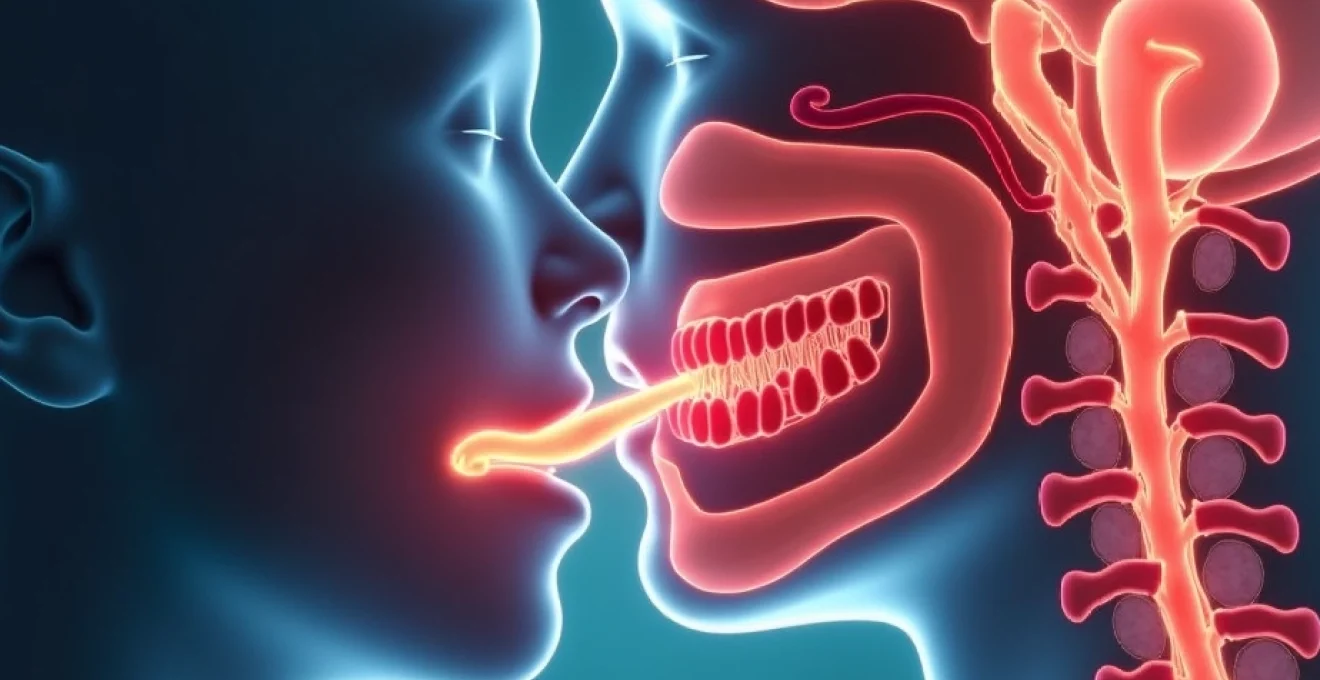
The human body’s ability to expel stomach contents through vomiting represents one of nature’s most fundamental protective mechanisms. While most individuals experience this unpleasant but necessary bodily function multiple times throughout their lives, a fascinating question emerges from both medical literature and personal accounts: can someone truly go through life without ever vomiting? This phenomenon intersects with complex neurological pathways, rare medical conditions, and psychological factors that challenge our understanding of basic physiological responses. Recent medical case studies and testimonials from individuals with emetophobia suggest that extended periods without vomiting—spanning decades—are not only possible but may be more common than previously recognised by medical professionals.
Physiological mechanisms behind emetic response and vomiting reflex
The vomiting reflex involves a sophisticated orchestra of neural circuits, chemical messengers, and muscular contractions that work together to protect the body from harmful substances. Understanding these mechanisms helps explain why some individuals might experience dramatically reduced emetic responses throughout their lives. The process begins with the detection of potentially dangerous stimuli, whether chemical, physical, or psychological, and culminates in the coordinated expulsion of gastric contents through reverse peristalsis.
Chemoreceptor trigger zone (CTZ) function and neural pathways
Located in the medulla oblongata, the chemoreceptor trigger zone serves as the body’s primary sentinel for detecting circulating toxins and metabolic disturbances. This specialised region lacks a blood-brain barrier, allowing direct monitoring of blood-borne substances that might necessitate vomiting. The CTZ responds to various stimuli including medications, metabolic byproducts, and bacterial toxins by transmitting signals to the vomiting centre via complex neural pathways involving the nucleus tractus solitarius and the dorsal motor nucleus of the vagus nerve.
Individual variations in CTZ sensitivity can significantly impact emetic thresholds. Some people possess naturally elevated thresholds, requiring substantially higher concentrations of triggering substances before experiencing nausea or vomiting. This genetic variation might explain why certain individuals report rarely feeling nauseous despite exposure to common emetic triggers such as motion sickness or mild food poisoning.
Vestibular system integration with area postrema
The vestibular system’s connection to the emetic response explains why motion sickness affects individuals differently. The area postrema, another crucial component of the vomiting centre, receives extensive input from vestibular nuclei that detect conflicting sensory information about spatial orientation. When visual, vestibular, and proprioceptive inputs provide contradictory information—such as reading in a moving vehicle—the resulting neural confusion can trigger nausea and vomiting in susceptible individuals.
However, some people demonstrate remarkable vestibular-emetic tolerance, experiencing minimal discomfort during activities that would typically trigger motion sickness in others. This enhanced tolerance may result from superior vestibular adaptation mechanisms or reduced sensitivity in the area postrema to conflicting sensory signals.
Gastric motility disorders and reverse peristalsis
Normal vomiting requires coordinated gastric contractions that reverse the typical direction of peristaltic waves, forcing stomach contents upward through the oesophagus. Certain gastric motility disorders can impair this process, potentially reducing an individual’s ability to vomit effectively. While this might seem protective, it can actually pose significant health risks if the body cannot expel harmful substances when necessary.
Gastroparesis, characterised by delayed gastric emptying, can affect the normal emetic response by altering gastric pressure dynamics and neural feedback mechanisms. Individuals with mild forms of gastroparesis might experience reduced vomiting frequency without recognising the underlying condition, particularly if symptoms remain subclinical throughout their lives.
Neurochemical mediators: serotonin, dopamine, and histamine receptors
The emetic response relies heavily on neurotransmitter signalling through specific receptor systems. Serotonin receptors , particularly 5-HT3 subtypes, play crucial roles in both peripheral and central emetic pathways. Dopamine receptors in the CTZ respond to circulating toxins and medications, while histamine receptors contribute to motion-induced nausea through vestibular connections.
Genetic polymorphisms affecting these receptor systems can dramatically alter individual emetic sensitivity. People with naturally lower 5-HT3 receptor expression or reduced dopamine receptor sensitivity in the CTZ might experience significantly fewer episodes of nausea and vomiting throughout their lives, effectively creating a natural antiemetic effect that persists from childhood through old age.
Medical conditions associated with complete absence of vomiting
Several rare medical conditions can result in absent or severely impaired vomiting reflexes, offering insight into whether lifelong absence of vomiting is medically possible. These conditions range from congenital abnormalities affecting neural development to acquired disorders that damage specific brain regions responsible for coordinating the emetic response. Understanding these pathological states helps distinguish between naturally reduced emetic responses and clinically significant dysfunction.
Congenital alacrima and related autonomic dysfunction syndromes
Congenital alacrima, characterised by absent tear production from birth, often occurs as part of broader autonomic dysfunction syndromes that can affect multiple involuntary bodily functions. Some variants of these syndromes include impaired emetic responses, suggesting shared developmental pathways between lacrimation and vomiting centres in the brainstem.
Individuals with certain forms of congenital autonomic dysfunction may experience absent or severely reduced vomiting throughout their lives while maintaining relatively normal health otherwise. These cases provide compelling evidence that lifelong absence of vomiting is not only possible but compatible with normal longevity when other protective mechanisms remain intact.
Achalasia and oesophageal motility disorders
Achalasia represents a condition where the lower oesophageal sphincter fails to relax properly, creating functional obstruction that can prevent normal vomiting mechanics. While primarily affecting swallowing, severe achalasia can mechanically prevent the retrograde flow of gastric contents necessary for vomiting, effectively creating a physical barrier to emesis.
Individuals with long-standing achalasia may develop compensatory mechanisms for dealing with nausea without actual vomiting, including enhanced salivation, controlled breathing techniques, and dietary modifications that minimise gastric distress. These adaptations can become so effective that the absence of vomiting becomes the individual’s normal state rather than a source of concern.
Gastroparesis and delayed gastric emptying conditions
Gastroparesis involves impaired gastric motility that can paradoxically both increase nausea sensations and reduce actual vomiting episodes. The condition creates a complex scenario where individuals may feel persistently nauseous due to delayed gastric emptying but find themselves unable to achieve the coordinated muscular contractions necessary for effective vomiting.
Mild, undiagnosed gastroparesis might explain why some individuals report feeling nauseous occasionally throughout their lives but never actually vomiting. The condition can remain subclinical for decades, particularly in cases caused by subtle autonomic dysfunction or genetic variants affecting gastric smooth muscle function.
Neurological impairments affecting medulla oblongata function
Subtle developmental abnormalities or acquired lesions affecting the medulla oblongata can impair emetic centre function without causing obvious neurological symptoms. These conditions might result from prenatal infections, genetic mutations affecting brainstem development, or minor traumatic injuries that selectively damage emetic pathways while preserving other vital functions.
Such neurological impairments could theoretically allow an individual to live a normal lifespan without ever experiencing vomiting, though they might face increased risks from ingested toxins or gastric distension that cannot be relieved through natural emetic responses. The rarity of these conditions makes them difficult to study systematically, but case reports suggest they represent genuine medical phenomena.
Documented cases of individuals with lifelong absence of emesis
Medical literature contains scattered reports of individuals who claim never to have vomited, though comprehensive documentation remains limited due to the retrospective nature of such claims and the difficulty in verifying lifelong absence of any physiological function. These cases typically emerge during medical evaluations for unrelated conditions or through research into emetophobia and related anxiety disorders.
One of the most intriguing aspects of documented cases involves individuals who report not vomiting for periods exceeding 20-30 years, often dating back to childhood experiences. These reports frequently coincide with extreme emetophobic behaviours , suggesting that psychological factors might play a significant role in maintaining vomit-free lifestyles through meticulous avoidance strategies and heightened vigilance regarding potential emetic triggers.
Hospital records occasionally reveal patients who undergo general anaesthesia without experiencing post-operative nausea and vomiting, despite not receiving antiemetic medications. While individual cases might represent coincidence or mild symptoms that went unreported, patterns of consistent absence across multiple medical encounters suggest genuine physiological differences in emetic susceptibility among certain individuals.
The challenge in documenting lifelong absence of vomiting lies in distinguishing between true physiological inability to vomit and successful long-term avoidance of emetic triggers. Many individuals who claim never to have vomited also report significant dietary restrictions, alcohol avoidance, and careful attention to food safety practices that might prevent exposure to common causes of nausea and vomiting.
Medical professionals increasingly recognise that some individuals possess naturally elevated emetic thresholds that, combined with cautious lifestyle choices, can result in decades without vomiting episodes.
Genetic variants and hereditary factors in emetic response
Emerging research suggests that genetic factors significantly influence individual susceptibility to nausea and vomiting, with specific gene variants affecting neurotransmitter metabolism, receptor sensitivity, and neural pathway development. These genetic differences might explain familial patterns of reduced emetic responses and provide biological mechanisms supporting the possibility of lifelong absence of vomiting in some individuals.
Polymorphisms in genes encoding serotonin transporters and metabolising enzymes can dramatically alter 5-HT3 receptor signalling effectiveness. Individuals carrying specific variants of the HTR3A and HTR3B genes demonstrate reduced sensitivity to standard emetic triggers, requiring substantially higher stimulus intensities to provoke nausea or vomiting responses.
Similarly, genetic variations affecting dopamine receptor expression and function can influence CTZ sensitivity to circulating toxins and medications. These variants might contribute to the observed individual differences in motion sickness susceptibility and chemotherapy-induced nausea, suggesting that some people possess natural genetic protection against common emetic stimuli.
Family studies examining emetic response patterns across generations reveal clustering of low-vomiting individuals within certain lineages, supporting hereditable components of emetic threshold variation. However, the complex polygenic nature of these traits makes it difficult to predict which individuals might experience lifelong absence of vomiting based on family history alone.
Epigenetic factors also contribute to emetic response variability, with early life experiences potentially influencing gene expression patterns that persist throughout adulthood. Individuals who avoid vomiting during critical developmental periods might establish long-lasting epigenetic modifications that maintain elevated emetic thresholds throughout their lives.
Pharmacological interventions and antiemetic medications
The development of highly effective antiemetic medications provides insight into the mechanisms underlying natural vomiting resistance and offers potential explanations for how some individuals might maintain vomit-free lives through pharmacological support. Modern antiemetic therapy targets multiple pathways simultaneously, creating comprehensive blockade of emetic signals that might mirror naturally occurring resistance mechanisms.
5-HT3 receptor antagonists: ondansetron and granisetron
Selective 5-HT3 receptor antagonists represent the gold standard for preventing chemotherapy-induced and post-operative nausea and vomiting. Ondansetron and granisetron work by blocking serotonin signalling at both peripheral vagal terminals and central emetic centres, effectively interrupting the primary pathway for nausea sensation and vomiting initiation.
The remarkable effectiveness of these medications demonstrates that blocking a single neurotransmitter system can virtually eliminate vomiting in most individuals. This suggests that people with naturally reduced 5-HT3 receptor sensitivity or enhanced serotonin clearance might experience similar protection without pharmaceutical intervention, potentially explaining lifelong absence of vomiting in certain individuals.
Dopamine receptor blockers: metoclopramide and domperidone
Dopamine receptor antagonists target the CTZ’s primary detection mechanism for circulating toxins and metabolic disturbances. Metoclopramide combines dopamine blockade with prokinetic effects that enhance gastric motility, while domperidone provides selective peripheral dopamine antagonism without crossing the blood-brain barrier significantly.
These medications’ ability to prevent vomiting across diverse trigger mechanisms suggests that individuals with naturally reduced dopamine receptor activity in the CTZ might possess built-in protection against many common causes of nausea and vomiting, from food poisoning to medication side effects.
NK1 receptor antagonists: aprepitant and fosaprepitant
Neurokinin-1 receptor antagonists represent a newer class of antiemetics that target substance P signalling pathways involved in delayed-phase nausea and vomiting. Aprepitant and fosaprepitant demonstrate particular effectiveness against anticipatory nausea and complex emetic responses that involve both central and peripheral mechanisms.
The success of NK1 antagonists in preventing difficult-to-treat forms of nausea suggests that genetic variants affecting substance P metabolism or NK1 receptor function might contribute to natural vomiting resistance. Individuals with reduced NK1 signalling capacity might experience enhanced protection against stress-induced and anticipatory nausea.
Corticosteroids and combination therapy protocols
Corticosteroids enhance antiemetic efficacy through multiple mechanisms including anti-inflammatory effects, neurotransmitter modulation, and blood-brain barrier stabilisation. Dexamethasone combined with 5-HT3 and NK1 antagonists creates synergistic antiemetic effects that can prevent vomiting even under extreme provocative conditions such as high-dose chemotherapy.
The multi-modal approach of combination antiemetic therapy illustrates how targeting several pathways simultaneously can achieve near-complete vomiting prevention. This pharmaceutical model suggests that individuals with naturally occurring variations across multiple emetic pathways might experience similar comprehensive protection throughout their lives.
The effectiveness of modern antiemetic combinations demonstrates that complete vomiting prevention is physiologically achievable, supporting the possibility that some individuals might possess natural variants of the same protective mechanisms.
Clinical implications and health consequences of absent vomiting reflex
While the ability to avoid vomiting might seem advantageous, the complete absence of emetic responses can pose significant clinical challenges and health risks. Vomiting serves crucial protective functions including toxin elimination, pressure relief during gastric distension, and metabolic regulation during illness. Understanding these implications helps medical professionals recognise and manage patients who may lack normal emetic responses.
The most concerning implication involves impaired toxin clearance during poisoning events. Individuals unable to vomit may experience prolonged exposure to harmful substances that would normally be expelled through natural emetic responses. This creates particular risks with accidental ingestion of caustic substances, overdose situations, or food poisoning where rapid gastric evacuation could prevent systemic absorption of dangerous compounds.
Gastric distension represents another significant concern for individuals with absent emetic reflexes. Normal vomiting provides essential pressure relief when stomach capacity is exceeded, preventing dangerous gastric rupture or severe discomfort. People unable to vomit must rely entirely on gastric emptying through normal peristalsis, which may prove inadequate during episodes of overeating or gastric outlet obstruction.
| Clinical Scenario | Normal Emetic Response | Absent Emetic Response Risk |
|---|---|---|
| Food poisoning | Rapid toxin expulsion | Prolonged systemic exposure |
| Medication overdose | Partial drug elimination | Complete absorption risk |
| Gastric distension | Pressure relief mechanism | Rupture or severe discomfort |
Medical professionals must consider these risks when evaluating patients who report never vomiting, particularly during emergency situations where emetic response might be expected. Alternative treatment protocols may be necessary, including more aggressive gastric lavage, enhanced monitoring for systemic toxicity, and prophylactic interventions to prevent complications that would normally be managed through natural vomiting.
Diagnostic challenges also emerge when evaluating individuals with absent emetic reflexes. Many gastrointestinal conditions are initially suspected based on associated nausea and vomiting patterns. Without these typical symptom presentations, healthcare providers might overlook serious conditions such as gastric outlet obstruction, peptic ulcer disease, or even gastric malignancies that would normally announce themselves through emetic symptoms.
Nutritional implications deserve careful consideration, as individuals who never vomit may develop different relationships with food safety and dietary choices. While heightened caution regarding food preparation and storage might prevent foodborne illnesses, it could also lead to unnecessarily restrictive eating patterns or nutritional deficiencies if avoidance behaviours become excessive.
The psychological impact of absent emetic responses varies significantly among individuals. Some people view their vomiting resistance as a protective advantage, while others experience anxiety about their body’s apparent inability to respond normally to potential threats. This anxiety can paradoxically lead to increased vigilance and avoidance behaviours that further reduce exposure to emetic triggers, creating a self-reinforcing cycle of protection.
From a clinical management perspective, healthcare providers should establish clear protocols for managing patients with documented absent emetic reflexes. These protocols might include enhanced monitoring during procedures known to cause nausea, alternative approaches to gastric decontamination during poisoning events, and patient education about recognising early warning signs of conditions that would typically present with vomiting.
Understanding the clinical implications of absent vomiting reflexes enables healthcare providers to develop appropriate management strategies that compensate for the loss of this crucial protective mechanism while respecting individual physiological variations.
Long-term health outcomes for individuals who never vomit remain largely unknown due to the rarity of well-documented cases and the difficulty in conducting prospective studies. However, existing evidence suggests that with appropriate awareness and medical support, the absence of emetic responses may be compatible with normal health and longevity, particularly when other protective mechanisms remain intact and individuals maintain appropriate caution regarding potential health risks.
The phenomenon of lifelong absence of vomiting ultimately represents a fascinating intersection of genetics, neurology, psychology, and clinical medicine. While complete emetic absence may pose certain risks, the documented existence of individuals who have lived decades without vomiting demonstrates the remarkable adaptability of human physiology and the complex interplay of factors that influence our most basic protective responses.