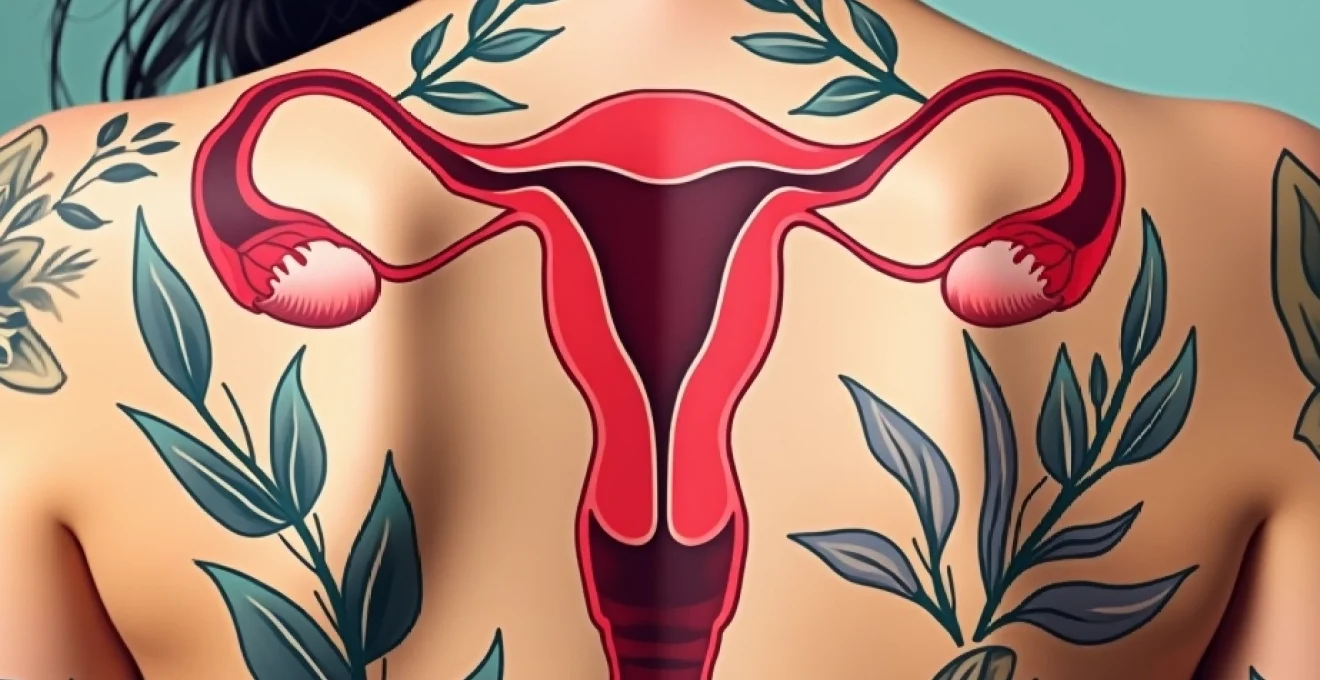
The intersection of menstrual health and body modification represents a complex medical consideration that many individuals face when planning tattoo appointments. Hormonal fluctuations during menstruation create physiological changes that can significantly impact pain perception, healing processes, and overall tattoo experience. Understanding these biological mechanisms enables informed decision-making about optimal timing for body art procedures. Recent research has begun to shed light on how menstrual cycles affect pain sensitivity, immune function, and wound healing – all critical factors in tattoo safety and quality outcomes.
Menstrual cycle impact on tattoo healing and immune response
Hormonal fluctuations during menstruation and skin sensitivity
The menstrual cycle creates dramatic shifts in hormone levels that directly influence skin physiology and pain perception. During menstruation, oestrogen levels reach their lowest point, whilst progesterone drops significantly from pre-menstrual peaks. These hormonal changes affect skin barrier function, making the dermis more sensitive to external stimuli including tattoo needles. Research indicates that skin becomes approximately 15-20% more reactive during the first three days of menstruation compared to mid-cycle phases.
Sebaceous gland activity also fluctuates throughout the menstrual cycle, affecting skin texture and oil production. This variation can impact how tattoo ink settles into dermal layers and may influence the initial healing response. The skin’s natural pH balance shifts during menstruation, becoming slightly more alkaline, which can affect bacterial colonisation patterns and wound healing dynamics.
Oestrogen and progesterone effects on wound healing mechanisms
Oestrogen plays a crucial role in collagen synthesis and angiogenesis – both essential processes for proper tattoo healing. During menstruation, reduced oestrogen levels can slow initial wound closure and delay the formation of new blood vessels necessary for nutrient delivery to healing tissue. Clinical studies demonstrate that oestrogen deficiency can extend the inflammatory phase of wound healing by 24-48 hours, potentially increasing infection risk and affecting colour retention in fresh tattoos.
Progesterone influences immune cell activity and inflammatory responses. The sharp decline in progesterone levels preceding and during menstruation can create temporary immunosuppression, making the body less efficient at combating potential pathogens introduced during tattooing. This hormonal environment may require enhanced aftercare protocols to maintain optimal healing conditions.
Pain threshold variations throughout the menstrual cycle
Pain perception undergoes significant variation throughout the menstrual cycle, with the most pronounced sensitivity occurring during menstruation itself. A comprehensive study involving chronic pain patients revealed that women rated pain intensity 23% higher during menstrual and pre-menstrual phases compared to ovulatory periods. This increased sensitivity stems from hormonal modulation of pain pathways in the central nervous system.
Research consistently demonstrates that oestrogen acts as a natural pain modulator, with lower levels correlating directly to increased pain sensitivity and reduced tolerance for uncomfortable procedures.
The neurochemical basis for this variation involves changes in endorphin production and neurotransmitter balance. During menstruation, reduced oestrogen leads to decreased serotonin and increased substance P – a neuropeptide associated with pain transmission. These changes can make tattoo sessions feel significantly more intense, potentially affecting your ability to sit still for extended periods necessary for quality artwork completion.
Blood coagulation changes during menstruation
Menstruation involves complex alterations to the coagulation cascade that can affect bleeding patterns during tattooing. Platelet function becomes temporarily altered, with decreased aggregation capacity during the first 2-3 days of menstruation. This can result in prolonged bleeding at tattoo sites and may interfere with ink deposition quality. Professional tattoo artists often report increased ink dilution and wash-out when working on menstruating clients.
Additionally, natural anticoagulant activity increases during menstruation to facilitate menstrual flow, which can compound bleeding issues during tattoo procedures. While not dangerous, excessive bleeding can create technical challenges for artists and may necessitate more frequent cleaning breaks, potentially extending session duration and associated discomfort.
Infection risk assessment during menstruation
Compromised immune system function during menses
The immune system experiences measurable suppression during menstruation, primarily due to hormonal influences on white blood cell activity. Neutrophil function – critical for fighting bacterial infections – becomes temporarily impaired during the first 48-72 hours of menstruation. This immunosuppression serves evolutionary purposes but creates vulnerabilities for individuals undergoing invasive procedures like tattooing.
Lymphocyte proliferation also decreases during menstruation, reducing the body’s ability to mount robust immune responses to foreign materials including tattoo inks and potential pathogens. Studies indicate that antibody production can be reduced by up to 30% during active menstruation compared to luteal phase measurements. This temporary immune compromise necessitates enhanced attention to sterile technique and aftercare protocols.
Bacterial contamination risks from sanitary products
Menstrual hygiene products create unique contamination risks in tattoo parlour environments. Sanitary pads and tampons can harbour pathogenic bacteria including Staphylococcus aureus and Escherichia coli , which may be transferred to fresh tattoo sites through improper handling or positioning during procedures. The warm, moist environment created by menstrual products provides ideal breeding conditions for harmful microorganisms.
Cross-contamination becomes a particular concern when accessing bathroom facilities during tattoo sessions. The proximity of menstrual blood to fresh wounds requires meticulous hand hygiene and careful attention to clothing contamination. Professional tattoo studios implement specific protocols for menstruating clients, including enhanced surface disinfection and modified positioning techniques to minimise exposure risks.
Cross-contamination prevention in tattoo parlours
Reputable tattoo establishments have developed comprehensive infection control measures specifically addressing menstruating clients. These protocols include disposable protective barriers for seating surfaces, enhanced air filtration systems, and modified appointment scheduling to allow adequate cleaning time between sessions. Artists receive training on recognising signs of compromised healing and implementing appropriate risk mitigation strategies.
Advanced sterilisation techniques become particularly important when working with menstruating clients. Ultra-violet light sterilisation and hospital-grade disinfectants are employed more frequently, whilst single-use equipment policies are strictly enforced. Professional artists maintain detailed health questionnaires that include menstrual cycle information to optimise safety protocols for each individual client.
Staphylococcus aureus and streptococcus pyogenes vulnerability
Specific bacterial pathogens pose elevated risks during menstruation due to altered vaginal flora and compromised immune surveillance. Staphylococcus aureus colonisation increases significantly during menstruation, with studies showing 40-60% higher carriage rates compared to non-menstrual periods. This gram-positive bacterium represents one of the most common causes of tattoo-related skin infections, making prevention strategies crucial for menstruating individuals.
Streptococcus pyogenes presents another significant concern, as menstrual blood provides an excellent growth medium for this pathogen. Group A streptococcal infections can progress rapidly in immunocompromised hosts, potentially leading to serious soft tissue complications including cellulitis and necrotising fasciitis. Enhanced surveillance for early infection signs becomes critical during the immediate post-tattoo period for menstruating clients.
Blood loss considerations and haemodynamic stability
Menstrual blood loss combined with bleeding from tattoo procedures can create cumulative effects on haemodynamic stability, particularly in individuals with heavy menstrual flows or underlying anaemia. Average menstrual blood loss ranges from 35-40ml per cycle, but can exceed 80ml in cases of menorrhagia. When combined with tattoo-related bleeding, total blood loss may approach levels that trigger compensatory physiological responses including tachycardia and orthostatic hypotension.
Iron deficiency commonly develops in individuals with regular heavy menstruation, creating baseline anaemia that compromises oxygen delivery to healing tissues. Haemoglobin levels below 12g/dl can significantly impair wound healing and increase infection susceptibility. Pre-tattoo blood testing may be advisable for individuals with known heavy menstrual bleeding to ensure adequate haemoglobin reserves for optimal healing outcomes.
Vasovagal responses become more likely during menstruation due to altered autonomic nervous system activity and reduced blood volume. The combination of pain, blood loss, and hormonal fluctuations can trigger fainting episodes that pose safety risks during tattoo procedures. Professional artists monitor clients carefully for early signs of haemodynamic instability and maintain emergency protocols for managing vasovagal episodes.
Professional tattoo artist perspectives on menstrual clients
Experienced tattoo artists report observable differences when working with menstruating clients, noting increased pain sensitivity, prolonged bleeding, and higher rates of session interruption due to discomfort. Many professionals have developed modified techniques specifically for menstruating individuals, including lighter needle pressure, shorter work intervals, and enhanced comfort measures. These adaptations acknowledge the physiological realities of menstrual cycle effects whilst maintaining artistic quality standards.
Industry surveys indicate that approximately 65% of professional tattoo artists have received some training on menstrual cycle considerations, though standardised protocols remain inconsistent across different establishments. Leading artists advocate for comprehensive menstrual health education within tattoo training programmes, emphasising the importance of understanding hormonal influences on pain perception and healing processes.
Professional tattoo artists consistently observe that clients experience heightened pain sensitivity during menstruation, with some requiring up to 30% more frequent breaks during extended sessions compared to non-menstrual appointments.
Client communication strategies have evolved to address menstrual cycle considerations more openly and professionally. Progressive tattoo studios include menstrual health questions in pre-appointment consultations, allowing for personalised approach modifications. This trend reflects growing awareness of women’s health considerations within traditionally male-dominated industries and represents positive progress towards inclusive healthcare practices.
Medical contraindications and healthcare provider recommendations
Gynaecological conditions affecting tattoo safety
Certain gynaecological conditions can significantly impact tattoo safety and healing outcomes, particularly during menstruation. Chronic pelvic inflammatory disease alters immune function and increases baseline infection risks, making careful timing of tattoo procedures essential. Women with recurrent vaginal infections face elevated risks of systemic bacterial spread during periods of immune suppression associated with menstruation.
Cervical dysplasia and human papillomavirus infections can compromise immune surveillance mechanisms, potentially affecting wound healing and infection resistance. Healthcare providers recommend delaying non-essential invasive procedures, including tattoos, until cervical abnormalities are resolved and immune function is optimised. Regular gynaecological screening becomes particularly important for individuals planning extensive tattoo work.
Endometriosis and polycystic ovary syndrome considerations
Endometriosis creates chronic inflammatory states that can interfere with normal wound healing processes and increase infection susceptibility. The condition’s association with immune dysfunction and elevated inflammatory markers may compound the temporary immunosuppression experienced during menstruation. Women with endometriosis often experience more severe menstrual symptoms, including increased pain sensitivity that can make tattoo procedures particularly challenging.
Polycystic ovary syndrome (PCOS) involves hormonal imbalances that can affect skin health and healing capacity. Elevated androgen levels common in PCOS can alter sebaceous gland function and skin barrier properties, potentially influencing how tattoo ink settles and heals. Women with PCOS may experience irregular menstrual cycles that make optimal timing for tattoo appointments more difficult to predict.
Iron deficiency anaemia impact on tattoo healing
Iron deficiency anaemia, common among menstruating individuals, significantly impacts wound healing and infection resistance. Reduced oxygen-carrying capacity impairs cellular metabolism necessary for tissue repair, whilst compromised immune cell function increases infection risks. Haemoglobin levels below 11g/dl can delay tattoo healing by 5-7 days compared to individuals with normal iron status.
Collagen synthesis becomes impaired in iron-deficient states, potentially affecting the structural integrity of healed tattoos. Poor collagen formation can lead to irregular scar tissue development and altered ink distribution patterns. Healthcare providers recommend addressing iron deficiency before undertaking extensive tattoo work, particularly for individuals with heavy menstrual bleeding or restrictive dietary patterns.
Optimal timing strategies for menstruating individuals
Strategic scheduling of tattoo appointments requires understanding individual menstrual cycle patterns and associated physiological changes. The follicular phase, beginning after menstruation ends, represents the optimal window for tattoo procedures due to rising oestrogen levels and improved pain tolerance. Peak timing typically occurs during days 7-14 of a standard 28-day cycle, when hormonal conditions favour reduced pain sensitivity and enhanced healing responses.
Ovulatory timing presents the theoretical ideal for tattoo procedures, as oestrogen peaks and pain sensitivity reaches its lowest point in the menstrual cycle. However, practical scheduling challenges and cycle irregularities make precise ovulatory timing difficult to achieve consistently. Many experienced tattoo enthusiasts track their cycles using smartphone applications or fertility awareness methods to identify optimal appointment windows.
For individuals unable to avoid menstrual timing due to scheduling constraints or irregular cycles, enhanced preparation strategies become essential. These include optimising iron status through dietary modifications or supplementation, implementing stress reduction techniques to minimise pain perception, and ensuring adequate rest before appointments. Prophylactic pain management strategies, excluding blood-thinning medications, can help mitigate increased sensitivity during menstrual phases.
Long-term planning approaches involve scheduling major tattoo work during predicted low-sensitivity phases whilst reserving smaller pieces or touch-up work for less optimal timing. This strategic approach maximises comfort whilst maintaining progress on larger artistic projects. Professional tattoo artists increasingly work with clients to develop cycle-aware scheduling systems that optimise both artistic outcomes and client comfort throughout the tattooing process.