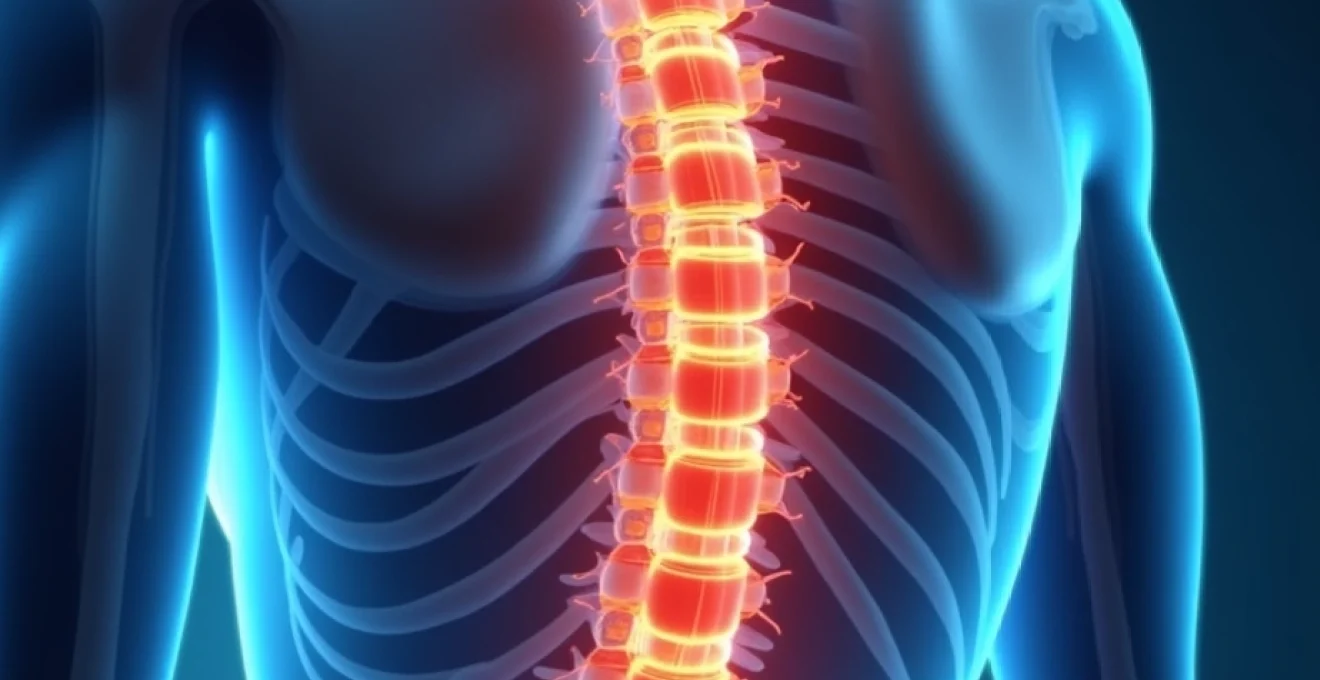
Chronic pain affects millions of people worldwide, significantly impacting quality of life and daily functioning. For those who have exhausted conventional treatment options, spinal cord stimulation represents a revolutionary approach to pain management. This advanced neurotechnology offers hope to patients suffering from conditions such as failed back surgery syndrome, complex regional pain syndrome, and neuropathic pain disorders. As medical technology continues to evolve, spinal cord stimulators have become increasingly sophisticated, providing more targeted and effective pain relief than ever before.
The journey towards spinal cord stimulation often begins when traditional pain management strategies have proven insufficient. Patients typically find themselves considering this option after experiencing limited success with medications, physiotherapy, or surgical interventions. Understanding the intricacies of this technology, from device mechanisms to long-term outcomes, is crucial for making informed decisions about chronic pain treatment. Modern spinal cord stimulators offer remarkable precision in targeting specific pain pathways, with success rates reaching up to 70% in carefully selected patients.
Understanding spinal cord stimulation technology and device mechanisms
Spinal cord stimulation operates on the gate control theory of pain, which suggests that non-painful electrical signals can block or modify pain messages before they reach the brain. This fundamental principle underlies all SCS technology, regardless of manufacturer or specific device configuration. The system consists of several key components: implantable pulse generator (IPG), leads with electrodes, extension cables when necessary, and external programming devices that allow both clinicians and patients to adjust stimulation parameters.
The implantable pulse generator serves as the central command centre for the entire system, housing sophisticated microprocessors and battery technology. Modern IPGs are remarkably compact, typically measuring approximately 4-6 centimetres in length and weighing less than 30 grams. These devices can deliver multiple stimulation programs simultaneously, allowing for complex pain management strategies that target different anatomical regions with varying intensities and frequencies.
Neurostimulation principles behind SCS electrode arrays
The electrode arrays represent the interface between the electrical stimulation and the spinal cord tissue. These arrays can contain anywhere from four to thirty-two electrodes, depending on the specific device and clinical requirements. Each electrode functions independently , allowing for precise targeting of specific dermatomes and pain patterns. The spacing between electrodes, typically 4-6 millimetres, enables fine-tuned stimulation patterns that can be adjusted to match individual patient anatomy and pain distribution.
Advanced electrode designs incorporate directional stimulation capabilities, which allow the electrical field to be steered towards specific areas of the dorsal columns. This technology significantly reduces the stimulation spread to unwanted areas whilst maximising therapeutic coverage. The result is improved pain relief with reduced side effects and enhanced patient comfort during daily activities.
Boston scientific precision plus and medtronic intellis platform comparisons
The Boston Scientific Precision Plus system offers multiple independent current sources, enabling complex stimulation patterns across up to 32 electrodes. This platform supports various waveform types, including traditional tonic stimulation, burst patterns, and sub-perception therapy modes. The device’s rechargeable battery provides approximately 10-15 years of operational life, depending on stimulation parameters and usage patterns.
Medtronic’s Intellis platform distinguishes itself through AdaptiveStim technology, which automatically adjusts stimulation based on patient positioning and activity levels. This closed-loop system continuously monitors spinal cord position and modifies stimulation accordingly, ensuring consistent therapeutic coverage regardless of body posture. The platform also supports high-frequency stimulation protocols and offers extensive programming flexibility for complex pain syndromes.
Dorsal column stimulation versus dorsal root ganglion targeting
Traditional dorsal column stimulation targets the large myelinated fibres within the dorsal columns of the spinal cord. This approach provides broad coverage for axial and radicular pain patterns but may result in less precise targeting for focal pain conditions. The stimulation typically produces a tingling sensation (paraesthesia) that overlaps the painful area, providing the therapeutic benefit through gate control mechanisms.
Dorsal root ganglion (DRG) stimulation represents a more targeted approach, delivering stimulation directly to the sensory ganglia. This technique offers superior precision for focal pain conditions such as complex regional pain syndrome affecting specific limbs or post-surgical pain in discrete anatomical regions. DRG stimulation typically requires lower energy consumption and produces minimal positional effects compared to traditional dorsal column approaches.
Closed-loop adaptive stimulation technology in modern SCS systems
Closed-loop systems represent the latest advancement in spinal cord stimulation technology, incorporating feedback mechanisms that automatically adjust stimulation parameters. These systems monitor various physiological signals, including evoked compound action potentials (ECAPs), to ensure consistent therapeutic delivery. The adaptive nature of these systems addresses one of the primary limitations of traditional SCS: the variation in stimulation effectiveness due to positional changes and lead migration.
The implementation of machine learning algorithms in closed-loop systems enables continuous optimisation of stimulation parameters based on individual patient responses. This technology can identify patterns in pain relief and automatically adjust stimulation to maintain optimal therapeutic outcomes throughout the day. Early clinical studies suggest that closed-loop systems may provide superior long-term pain relief compared to traditional open-loop devices.
Clinical indications and patient selection criteria for SCS implantation
Patient selection for spinal cord stimulation requires careful evaluation of multiple factors, including pain characteristics, previous treatment history, psychological status, and realistic expectations. The ideal candidate typically presents with chronic neuropathic pain that has persisted for at least six months despite appropriate conservative management. Pain intensity should be moderate to severe, typically scoring 5 or higher on a 0-10 numerical rating scale.
Comprehensive psychological assessment forms a crucial component of patient selection, as psychological factors significantly influence treatment outcomes. Patients with untreated depression, anxiety disorders, or substance abuse issues may experience suboptimal results from SCS therapy. However, well-managed psychological conditions do not necessarily preclude successful treatment, provided appropriate support systems are in place.
Studies demonstrate that approximately 60-70% of carefully selected patients achieve meaningful pain reduction of 50% or greater following spinal cord stimulation implantation.
Failed back surgery syndrome management with neurostimulation
Failed back surgery syndrome (FBSS) represents one of the most established indications for spinal cord stimulation. This condition affects an estimated 10-40% of patients following spinal surgery, resulting in persistent or recurrent pain despite anatomically successful procedures. The complex nature of FBSS often involves both neuropathic and nociceptive pain components, making it particularly challenging to treat with conventional approaches.
SCS demonstrates particular effectiveness in managing the radicular component of FBSS, with success rates often exceeding those achieved for axial back pain. The technology can address both lower limb radiculopathy and residual back pain, though targeting multiple pain areas may require more sophisticated programming strategies. Long-term studies indicate sustained pain relief in 60-80% of FBSS patients at five-year follow-up assessments.
Complex regional pain syndrome treatment protocols
Complex regional pain syndrome (CRPS) presents unique challenges due to its multisystem involvement and tendency for progressive worsening without appropriate intervention. SCS has emerged as a highly effective treatment for CRPS, particularly when implemented early in the disease course. The Budapest criteria provide standardised diagnostic guidelines that help identify appropriate candidates for neurostimulation therapy.
Treatment protocols for CRPS typically involve aggressive early intervention with SCS, often within the first two years of symptom onset. This timing coincides with the period when central sensitisation mechanisms are still potentially reversible. Success rates for CRPS treatment with SCS can exceed 80% when appropriate patient selection criteria are applied and experienced centres perform the procedures.
Peripheral neuropathy and diabetic pain applications
Peripheral neuropathy, particularly diabetic peripheral neuropathy, affects millions of patients worldwide and represents an emerging indication for spinal cord stimulation. Traditional pharmacological approaches often provide inadequate relief whilst producing significant side effects. SCS offers a drug-free alternative that can provide substantial improvement in pain intensity and functional capacity.
Recent clinical trials have demonstrated the efficacy of high-frequency spinal cord stimulation for diabetic peripheral neuropathy affecting the lower extremities. The technology appears particularly effective for patients with predominant painful symptoms in the feet and distal legs. Success rates approach 70-80% for meaningful pain reduction, with many patients experiencing improved sleep quality and enhanced functional capacity.
Chronic limb ischaemia and angina pectoris Off-Label uses
Beyond traditional neuropathic pain applications, SCS has shown promise for treating chronic limb ischaemia and refractory angina pectoris. These off-label applications utilise the vasodilatory effects of spinal cord stimulation to improve tissue perfusion and reduce ischaemic pain. The mechanisms underlying these effects involve both direct neural influences on vascular tone and indirect effects through pain pathway modulation.
For chronic limb ischaemia, SCS can provide significant pain relief whilst potentially improving wound healing and reducing amputation risks. Similarly, patients with refractory angina who are not candidates for further revascularisation procedures may benefit from SCS therapy. However, these applications require careful patient selection and should only be considered at specialised centres with appropriate expertise.
SCS implantation procedures and surgical considerations
The implantation of spinal cord stimulators follows a standardised two-stage approach in most cases, beginning with a trial period to assess efficacy before proceeding to permanent implantation. This methodology allows both patients and clinicians to evaluate the therapy’s effectiveness whilst minimising the risks associated with device implantation. The trial period typically lasts 5-7 days, during which patients maintain detailed pain diaries and activity logs to document treatment response.
Surgical planning requires careful consideration of patient anatomy, pain distribution patterns, and lifestyle factors. Advanced imaging studies, including MRI and CT scans, help identify potential anatomical challenges such as spinal stenosis, previous surgical scarring, or hardware that might complicate lead placement. The selection of appropriate surgical techniques and device configurations depends on these factors as well as the specific pain syndrome being treated.
Percutaneous lead placement versus paddle electrode insertion
Percutaneous lead placement represents the most commonly employed technique for SCS implantation, utilising minimally invasive approaches that can be performed under local anaesthesia with conscious sedation. This method involves inserting thin, flexible leads through epidural needles, allowing for precise positioning under fluoroscopic guidance. The percutaneous approach offers several advantages, including reduced surgical trauma, shorter procedure times, and the ability to perform the procedure on an outpatient basis.
Paddle electrode insertion requires a more invasive surgical approach involving laminotomy or laminectomy to access the epidural space directly. This technique may be necessary for patients with complex anatomy or when broad stimulation coverage is required. Paddle electrodes typically provide more stable long-term positioning and may offer superior stimulation coverage for certain pain patterns, though they require general anaesthesia and longer recovery periods.
Trial stimulation period requirements and success metrics
The trial stimulation period serves as a crucial predictor of long-term treatment success, with established criteria for determining trial success. A successful trial is typically defined as achieving at least 50% pain reduction accompanied by meaningful functional improvement. However, some patients may benefit from stimulation even with lesser degrees of pain reduction, particularly when functional improvements are substantial.
During the trial period, patients undergo comprehensive evaluation including pain scores, functional assessments, medication usage, and quality of life measures. Sleep quality often improves significantly during successful trials, providing an additional marker of treatment efficacy. The trial period also allows for optimisation of stimulation parameters and identification of any technical issues that might affect long-term outcomes.
IPG positioning in subcutaneous versus subfascial locations
The positioning of the implantable pulse generator requires careful consideration of patient anatomy, lifestyle, and aesthetic preferences. Subcutaneous placement represents the most common approach, typically utilising the upper buttock or lower abdominal region. This location provides adequate tissue coverage whilst remaining accessible for future programming and battery replacement procedures. Patient body habitus significantly influences the optimal placement location, with thinner patients requiring more careful consideration of depth and positioning.
Subfascial placement may be necessary for very thin patients or those with specific occupational requirements. This deeper placement provides better cosmetic results and reduced risk of device erosion, though it may complicate future programming and revision procedures. The subfascial approach requires more extensive surgical dissection and may be associated with increased post-operative discomfort.
Fluoroscopic guidance and anatomical landmark navigation
Fluoroscopic guidance remains the gold standard for accurate lead placement during SCS implantation procedures. Real-time imaging allows for precise navigation of complex spinal anatomy whilst avoiding critical structures such as nerve roots and vascular elements. The use of multiple fluoroscopic projections ensures accurate lead positioning and helps identify potential complications such as vascular puncture or dural tears.
Advanced imaging techniques, including ultrasound guidance and intraoperative CT, are increasingly being utilised to enhance procedural safety and accuracy. These technologies may be particularly valuable in patients with challenging anatomy or previous spinal surgery. However, fluoroscopy remains the primary imaging modality due to its real-time capabilities and widespread availability in operating theatres and procedure rooms.
Programming parameters and stimulation waveform optimisation
Programming spinal cord stimulators requires extensive knowledge of neurophysiology and pain pathways, combined with careful attention to individual patient responses and preferences. The process involves adjusting multiple parameters including pulse width, frequency, amplitude, and electrode configuration to achieve optimal therapeutic outcomes. Modern devices offer thousands of possible programming combinations, making systematic approaches essential for efficient parameter optimisation.
Initial programming typically occurs within one to two weeks following permanent implantation, allowing sufficient time for post-surgical swelling to resolve and leads to stabilise in their final positions. The programming process may require multiple sessions to achieve optimal results, with each session building upon previous findings to refine stimulation parameters. Patient feedback regarding coverage, intensity, and comfort levels guides the programming decisions throughout this process.
Traditional tonic stimulation utilises frequencies between 40-120 Hz with pulse widths ranging from 200-500 microseconds. These parameters typically produce comfortable tingling sensations that overlap painful areas, providing therapeutic benefit through gate control mechanisms. However, modern devices offer alternative stimulation paradigms including burst stimulation, high-frequency protocols, and sub-perception therapy options that may provide superior outcomes for specific patient populations.
Burst stimulation delivers high-frequency pulse trains in specific patterns designed to mimic natural neural firing patterns. This approach may provide more natural pain relief without the tingling sensations associated with traditional stimulation. High-frequency stimulation (typically 10 kHz) offers sub-perception therapy that provides pain relief without sensory side effects, though it typically requires more frequent battery charging due to higher energy requirements.
Advanced programming algorithms and machine learning applications are beginning to identify optimal parameter combinations more efficiently, potentially reducing the time required to achieve therapeutic outcomes.
Electrode configuration represents another critical programming parameter, with modern devices offering multiple options including monopolar, bipolar, and multipolar arrangements. Each configuration produces different electrical field patterns and can be adjusted to target specific anatomical regions whilst minimising unwanted stimulation effects. The ability to program multiple independent channels allows for complex stimulation patterns that can address multiple pain areas simultaneously.
Long-term management and device longevity expectations
Long-term success with spinal cord stimulation depends on multiple factors including appropriate patient selection, optimal device programming, and comprehensive follow-up care. Regular monitoring and adjustment of stimulation parameters help maintain therapeutic efficacy over time, as patient needs may evolve due to disease progression, lifestyle changes, or physiological adaptations to stimulation.
Battery longevity varies significantly depending on device type, stimulation parameters, and usage patterns. Rechargeable systems typically provide 8-15 years of service life but require daily charging routines that some patients find burdensome. Non-rechargeable devices offer convenience but may require replacement every 3-7 years, depending on energy consumption. The choice between rechargeable and non-rechargeable systems should consider patient lifestyle, dexterity, and long-term treatment goals.
Device maintenance involves regular programming assessments, battery monitoring, and evaluation of lead integrity. Most patients require programming adjustments 2-3 times during the first year following implantation, with less frequent adjustments needed thereafter. Lead migration or fracture occurs in approximately 5-10% of cases and may
require replacement surgery to restore optimal function. Hardware-related complications are relatively uncommon but may necessitate additional procedures to maintain therapeutic benefits.
Ongoing research continues to evaluate the long-term effectiveness of spinal cord stimulation across different patient populations and pain conditions. Five-year follow-up studies consistently demonstrate sustained pain relief in 60-75% of appropriately selected patients, with many experiencing continued functional improvements throughout the follow-up period. However, some patients may experience diminishing returns over time, requiring programming adjustments or consideration of alternative treatment approaches.
Patient education plays a crucial role in long-term success, as understanding proper device care and realistic expectations helps maintain satisfaction with treatment outcomes. Regular follow-up appointments allow for early identification of potential issues and proactive management of any complications that may arise. The multidisciplinary approach to long-term care often includes pain medicine specialists, neurosurgeons, and specialised nursing staff trained in neuromodulation technologies.
Potential complications and risk mitigation strategies
While spinal cord stimulation is generally considered a safe procedure, potential complications must be carefully discussed with patients as part of the informed consent process. The overall complication rate for SCS implantation ranges from 5-15% across different studies, with most complications being minor and manageable through conservative measures or minor revision procedures. Understanding these risks and implementing appropriate mitigation strategies is essential for optimising patient outcomes and safety.
Infection represents one of the most serious potential complications, occurring in approximately 3-7% of cases. Risk factors for infection include diabetes, immunocompromised states, previous spinal surgery, and obesity. Preventive measures include appropriate antibiotic prophylaxis, sterile surgical techniques, and careful attention to post-operative wound care. When infections do occur, they may require device explantation and prolonged antibiotic therapy, followed by delayed reimplantation once the infection has been completely cleared.
Early recognition and aggressive treatment of potential complications significantly improve patient outcomes and reduce the likelihood of permanent sequelae.
Lead migration occurs in approximately 5-15% of patients and can result in loss of therapeutic coverage or uncomfortable sensations. This complication is more common with percutaneous leads compared to paddle electrodes and may be related to inadequate anchoring techniques or excessive physical activity during the initial healing period. Revision surgery may be necessary to reposition migrated leads, though some cases can be managed through reprogramming if adequate electrode contacts remain in therapeutic positions.
Dural puncture and cerebrospinal fluid leaks represent procedural complications that occur in less than 5% of cases but can result in significant patient discomfort. Post-dural puncture headaches typically develop within 24-48 hours and are characterised by positional worsening when upright and improvement when supine. Conservative management includes bed rest, increased fluid intake, and caffeine administration, though epidural blood patches may be necessary for persistent cases.
Hardware failures, including lead fractures and IPG malfunctions, can occur over time due to mechanical stress or manufacturing defects. Modern devices incorporate improved materials and design features to minimise these risks, but complete elimination remains challenging given the dynamic spinal environment. Regular device interrogation during follow-up visits can help identify early signs of hardware problems before complete failure occurs. Most manufacturers provide warranty coverage for device failures occurring within specified timeframes.
Neurological complications, while rare, represent the most serious potential risks associated with spinal cord stimulation. Spinal cord injury occurs in fewer than 1 in 1,000 cases but can result in permanent neurological deficits. Meticulous surgical technique, appropriate patient selection, and adherence to established safety protocols help minimise these risks. The use of awake procedures with neurological monitoring allows for immediate detection of any neurological changes during lead placement.
Risk mitigation strategies encompass multiple aspects of care, from pre-operative assessment through long-term follow-up. Comprehensive patient evaluation helps identify risk factors that may increase complication rates, allowing for appropriate modifications to surgical techniques or post-operative care protocols. The use of experienced surgical teams and established centres of excellence significantly reduces complication rates compared to occasional practitioners.
Post-operative monitoring protocols should include regular assessment of wound healing, neurological function, and device performance. Patients require clear instructions regarding activity restrictions during the initial healing period and signs or symptoms that warrant immediate medical attention. The establishment of clear communication pathways between patients and healthcare providers facilitates early intervention when complications arise, potentially preventing more serious sequelae from developing.
Emergency management protocols should be established for handling serious complications such as infections, neurological changes, or severe device malfunctions. This includes availability of appropriate specialists, surgical facilities, and explantation procedures when necessary. Patient education regarding emergency situations and appropriate contact information ensures rapid access to specialised care when needed.