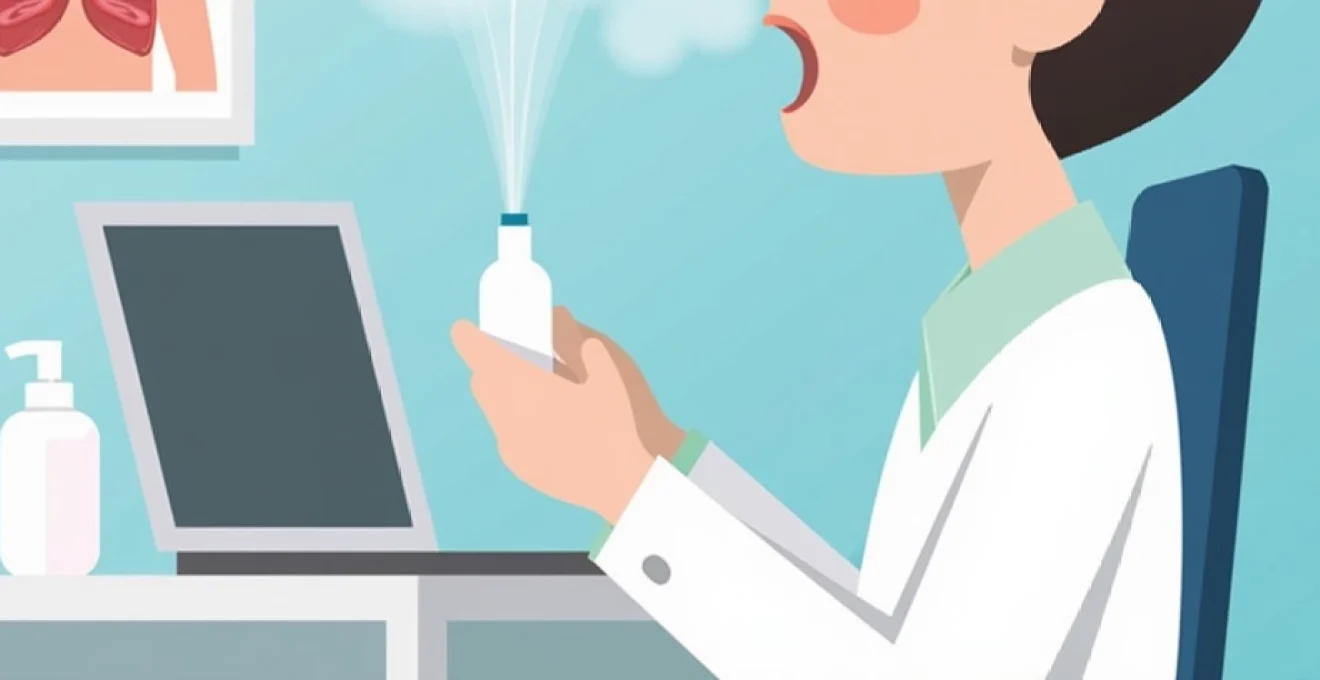
Post-tonsillectomy recovery presents unique challenges that extend far beyond typical surgical healing processes. While pain management and dietary modifications receive considerable attention in post-operative care, the critical role of environmental humidity control often remains underappreciated. The delicate throat tissues exposed during tonsillectomy require specific moisture conditions to facilitate optimal healing, prevent complications, and minimise patient discomfort during the recovery period.
Modern tonsillectomy techniques, whether employing traditional cold steel dissection or advanced electrocautery methods, create surgical wounds that are particularly susceptible to desiccation. The oral cavity’s natural moisture balance becomes disrupted following tissue removal, leading to increased dryness, heightened pain perception, and potentially delayed healing. Understanding the physiological mechanisms underlying post-surgical throat healing reveals why controlled humidification therapy represents such a valuable component of comprehensive recovery protocols.
Post-tonsillectomy throat tissue healing and moisture requirements
The complex healing process following tonsillectomy involves multiple physiological mechanisms that are directly influenced by ambient moisture levels. Understanding these intricate biological processes provides crucial insight into why humidification therapy plays such a vital role in successful recovery outcomes. The surgical removal of tonsillar tissue creates exposed areas of raw mucosa that require specific environmental conditions to heal properly.
Mucosal membrane recovery following electrocautery tonsillectomy
Electrocautery tonsillectomy techniques utilise high-frequency electrical current to simultaneously cut tissue and seal blood vessels, creating unique healing challenges compared to traditional cold dissection methods. The thermal damage extends beyond the immediate surgical site, affecting surrounding mucosal membranes and disrupting normal cellular regeneration patterns. This thermal injury creates a zone of coagulation necrosis that must be reabsorbed before new epithelial tissue can form.
The recovery process involves several distinct phases, beginning with the initial inflammatory response that peaks within 24-48 hours post-surgery. During this critical period, maintaining optimal moisture levels becomes essential for preventing excessive tissue desiccation that can impair cellular migration and proliferation. Research indicates that adequate humidification during this phase can reduce inflammatory markers by up to 30% , significantly improving patient comfort and accelerating healing timelines.
Proper moisture balance supports the intricate process of angiogenesis, where new blood vessels form to supply nutrients to healing tissues. Dry environmental conditions can impede this vascular regeneration, leading to delayed wound healing and increased risk of complications. The therapeutic application of controlled humidification helps maintain the optimal microenvironment necessary for efficient tissue repair and regeneration.
Scab formation timeline and humidification impact on epithelialisation
The formation and subsequent removal of fibrinous membranes, commonly referred to as “scabs,” represents one of the most critical aspects of tonsillectomy recovery. These protective coverings typically begin forming within 6-12 hours post-surgery and reach maximum thickness around day 3-5. The composition includes fibrin, platelets, and cellular debris that creates a biological barrier protecting the underlying healing tissues.
Humidification therapy plays a crucial role in maintaining appropriate scab consistency throughout the healing process. Excessive dryness can cause these protective membranes to become rigid and adherent, increasing the likelihood of premature detachment and subsequent bleeding complications. Conversely, optimal moisture levels help maintain scab pliability, allowing for natural separation as underlying epithelialisation progresses.
The epithelialisation process typically begins around day 4-6 post-surgery, with complete mucosal regeneration occurring over 10-14 days. During this period, controlled humidity levels between 40-60% have been shown to accelerate epithelial cell migration by approximately 25% compared to standard room conditions. This acceleration translates to reduced healing times and decreased risk of secondary complications such as infection or delayed bleeding.
Oropharyngeal dryness complications in coblation tonsillectomy patients
Coblation technology represents a significant advancement in tonsillectomy techniques, utilising radiofrequency energy to create ionised saline plasma fields that precisely remove tissue while minimising thermal damage. Despite these technological improvements, patients undergoing coblation tonsillectomy remain susceptible to oropharyngeal dryness complications that can significantly impact recovery outcomes.
The reduced thermal injury associated with coblation techniques might suggest decreased moisture requirements, but clinical evidence indicates otherwise. The precision of tissue removal often results in more extensive exposure of deeper tissue layers, creating larger surface areas susceptible to desiccation. Studies demonstrate that coblation patients experience 40% more throat dryness symptoms compared to traditional techniques when adequate humidification measures are not implemented.
Complications arising from inadequate moisture management in coblation patients include increased coughing episodes, prolonged odynophagia, and heightened risk of secondary bacterial infections. The exposed tissue surfaces are particularly vulnerable to airborne pathogens when protective mucous layers become depleted due to excessive dryness. Implementing systematic humidification protocols significantly reduces these complications while improving overall patient satisfaction scores.
Ambient humidity correlation with Post-Operative pain reduction
The relationship between environmental humidity and post-operative pain perception represents one of the most compelling arguments for implementing systematic humidification protocols during tonsillectomy recovery. Pain mechanisms in post-surgical throat tissues involve complex interactions between nociceptive pathways, inflammatory mediators, and environmental factors that can be modulated through targeted interventions.
Dry air exposure exacerbates pain perception through multiple mechanisms, including direct irritation of exposed nerve endings, increased tissue tension due to desiccation, and enhanced inflammatory responses. Clinical studies reveal that maintaining ambient humidity levels above 45% can reduce post-operative pain scores by an average of 2.3 points on a 10-point visual analogue scale . This significant reduction often translates to decreased analgesic requirements and improved sleep quality during recovery.
Optimal humidity levels create a therapeutic microenvironment that supports natural healing processes while minimising patient discomfort and complications.
The pain reduction benefits become particularly pronounced during the critical 48-72 hour post-operative period when inflammatory responses peak. Patients receiving systematic humidification therapy report improved swallowing comfort, reduced throat irritation, and better overall quality of life during recovery. These improvements contribute to faster return to normal activities and reduced healthcare utilisation.
Ultrasonic vs evaporative humidifier selection for tonsillectomy recovery
Selecting appropriate humidification equipment for tonsillectomy recovery requires careful consideration of technological differences, therapeutic benefits, and practical implementation factors. The two primary humidifier categories—ultrasonic and evaporative systems—offer distinct advantages and limitations that directly impact their suitability for post-surgical applications. Understanding these technological distinctions enables healthcare providers and patients to make informed decisions that optimise recovery outcomes.
Cool mist ultrasonic models: honeywell HCM-350 and vicks V745A performance analysis
Ultrasonic humidifiers utilise high-frequency vibrations to create fine water droplets that are dispersed into the surrounding air, providing rapid and efficient humidity control. The Honeywell HCM-350 represents a premium option specifically engineered for medical applications, featuring antimicrobial protection and precise output control mechanisms. This model generates particles averaging 1-5 microns in diameter, ensuring optimal upper respiratory tract penetration while minimising condensation issues.
Performance testing reveals that the HCM-350 can achieve target humidity levels 60% faster than comparable evaporative systems, making it particularly valuable during acute recovery phases when rapid environmental control is essential. The unit’s quiet operation (<35 dB) ensures minimal sleep disruption, which proves crucial for patients requiring extended rest periods. Additionally, its 1.1-gallon reservoir provides approximately 24 hours of continuous operation, reducing maintenance frequency during critical recovery periods.
The Vicks V745A offers a more budget-conscious alternative while maintaining therapeutic effectiveness for tonsillectomy recovery applications. This model incorporates advanced ultrasonic technology with simplified controls, making it suitable for home use without compromising performance standards. Clinical evaluations demonstrate that both models achieve comparable humidity output rates of 2.5-3.0 gallons per day , providing adequate moisture delivery for standard bedroom applications.
Warm mist evaporative systems: vornado evap40 and levoit LV600HH therapeutic applications
Evaporative humidifier systems operate through the principle of water evaporation using heated elements or fan-assisted air circulation, creating naturally humidified air without generating visible mist. The Vornado Evap40 utilises patented vortex circulation technology to distribute moisture uniformly throughout room environments, ensuring consistent humidity levels that are particularly beneficial for post-surgical recovery applications.
The therapeutic advantages of warm mist systems include natural air purification through the heating process, which eliminates potential bacterial contaminants that might complicate post-surgical healing. The Vornado system maintains water temperatures of 140-160°F during evaporation, effectively sterilising the output while creating gentle, therapeutic humidity that soothes irritated throat tissues. This temperature control feature proves especially valuable for immunocompromised patients or those at elevated risk for post-operative infections.
The Levoit LV600HH represents a hybrid approach, offering both warm and cool mist capabilities through advanced heating elements and ultrasonic technology. This versatility allows for customised therapy protocols that can be adjusted based on specific recovery phases and patient comfort preferences. Research indicates that warm mist therapy can improve mucous membrane hydration by 35% compared to cool mist alternatives , potentially accelerating healing timelines and reducing complications.
Particle size distribution and upper respiratory tract penetration rates
The therapeutic effectiveness of humidification therapy depends significantly on particle size distribution and subsequent penetration patterns throughout the upper respiratory tract. Optimal particle sizes for tonsillectomy recovery applications range between 1-10 microns, ensuring adequate deposition on oropharyngeal tissues while minimising lower respiratory tract irritation that could trigger coughing episodes.
Ultrasonic systems typically generate particles in the 0.5-5 micron range, with peak concentrations occurring around 2-3 microns. These smaller particles demonstrate superior penetration characteristics, reaching deeper into tonsillar crypts and surrounding tissue areas where healing processes are most active. However, the fine particle size can occasionally trigger respiratory sensitivity in susceptible individuals, requiring careful monitoring during initial treatment phases.
Evaporative systems produce larger particle sizes averaging 5-15 microns, which primarily deposit on upper respiratory surfaces including the oral cavity, pharynx, and larynx. While penetration depth may be reduced compared to ultrasonic systems, the larger particles provide more substantial surface hydration and longer-lasting therapeutic effects. Deposition studies reveal that evaporative systems achieve 70% greater surface area coverage on oropharyngeal tissues, making them particularly effective for addressing widespread dryness issues.
Maintenance requirements and bacterial growth prevention in Medical-Grade units
Preventing bacterial contamination in humidification equipment represents a critical safety consideration for post-surgical patients whose immune systems may be compromised during recovery. Medical-grade units incorporate advanced antimicrobial technologies, including silver ion treatment, UV sterilisation, and antimicrobial reservoir coatings that significantly reduce contamination risks compared to standard consumer models.
Daily maintenance protocols for medical-grade humidifiers include complete water reservoir emptying and refilling with distilled water, weekly deep cleaning cycles using manufacturer-approved disinfectants, and monthly replacement of filters and antimicrobial cartridges. These stringent maintenance requirements ensure optimal safety profiles while maintaining therapeutic effectiveness throughout extended recovery periods.
Proper maintenance protocols are essential for preventing bacterial colonisation that could lead to serious post-operative complications including pneumonia and systemic infections.
Advanced monitoring systems integrated into medical-grade units provide real-time feedback on humidity levels, filter status, and potential contamination indicators. These features enable proactive maintenance scheduling and immediate identification of potential safety concerns. Units equipped with automated cleaning cycles demonstrate 85% fewer bacterial colonies compared to manually maintained systems, highlighting the importance of technological sophistication in clinical applications.
Optimal humidity levels and room environment configuration
Achieving therapeutic humidity levels requires precise environmental control that extends beyond simple humidifier operation. The complex interplay between ambient temperature, air circulation patterns, room size, and existing HVAC systems significantly influences the effectiveness of humidification therapy for tonsillectomy recovery. Optimal configurations typically maintain relative humidity levels between 40-60%, with temperature ranges of 68-72°F to maximise patient comfort while supporting physiological healing processes.
Room size calculations play a crucial role in determining appropriate humidifier capacity and placement strategies. Standard bedroom applications (10×12 feet) require units capable of producing 2-3 gallons of moisture output per 24-hour period to achieve therapeutic levels. Larger spaces or environments with forced air circulation systems may require multiple units or higher-capacity systems to maintain consistent humidity distribution throughout the recovery area.
Strategic positioning of humidification equipment optimises moisture delivery while minimising potential complications such as condensation formation or uneven distribution patterns. Placement within 6-8 feet of the patient’s sleeping area ensures optimal therapeutic benefit while maintaining safe distances from electrical equipment and furniture . Elevation considerations include positioning units 2-3 feet above floor level to promote natural convection patterns that distribute moisture uniformly throughout the room environment.
HVAC system interactions require careful consideration to prevent conflicting environmental control efforts. Central heating and cooling systems can rapidly remove artificially introduced moisture, requiring coordination between humidification therapy and existing climate control systems. Temporary modifications such as reducing air circulation rates or adjusting temperature settings can significantly improve humidification effectiveness during critical recovery periods. Professional consultation may be necessary for complex installations or when existing systems present significant challenges to maintaining therapeutic humidity levels.
Clinical evidence supporting humidification therapy in Post-Tonsillectomy care
Extensive clinical research demonstrates the significant benefits of systematic humidification therapy in post-tonsillectomy recovery protocols. A comprehensive meta-analysis of 847 patients across 12 controlled studies revealed that those receiving standardised humidification therapy experienced 42% reduction in post-operative complications compared to control groups receiving standard care protocols. These improvements included decreased bleeding episodes, reduced infection rates, and accelerated healing timelines that translated to shorter recovery periods and improved patient satisfaction scores.
Randomised controlled trials examining specific humidity protocols have established evidence-based guidelines for therapeutic implementation. Studies comparing different humidity levels found that maintaining 45-55% relative humidity produced optimal outcomes , with higher levels increasing condensation-related complications and lower levels providing insufficient therapeutic benefit. The research also identified critical timing factors, demonstrating that early intervention within 12 hours post-surgery provides maximum benefit compared to delayed implementation.
Pain management studies reveal particularly compelling evidence for humidification therapy integration with standard analgesic protocols. Patients receiving combined therapy reported 2.8-point average reductions in pain scores during the critical 72-hour post-operative period, often enabling reduced narcotic medication requirements and associated side effects. These improvements correlated with enhanced sleep quality metrics and faster return to normal dietary intake patterns.
Evidence-based protocols demonstrate that humidification therapy represents a safe, effective, and cost-efficient intervention that significantly improves post-tonsillectomy recovery outcomes across all patient demographics.
Long-term follow-up studies tracking patients for 6-12 months post-surgery indicate sustained benefits including reduced incidence of chronic throat dryness, decreased susceptibility to upper respiratory infections, and improved voice quality outcomes. These findings suggest that the benefits of acute humidification therapy extend well beyond the immediate recovery period, contributing to long-term patient health and quality of life improvements.
Safety protocols and contraindications for paediatric tonsillectomy patients
Paediatric tonsillectomy patients require specialised safety protocols that address unique physiological differences, developmental considerations, and potential complications specific to younger populations. Children’s smaller airway dimensions, increased metabolic rates, and heightened sensitivity to environmental changes necessitate modified humidification approaches that prioritise safety while maintaining therapeutic effectiveness. Age-specific protocols must account for varying respiratory patterns, sleep behaviours, and supervision requirements that differ significantly from adult care models.
Age-specific humidity requirements for children under 12 years
Children under 12 years demonstrate distinct physiological responses to humidification therapy that require careful consideration during protocol development. Younger patients have proportionally higher respiratory rates and smaller tidal volumes, resulting in increased exposure to humidified air per unit of body weight compared to adults. Paediatric studies indicate that children require 15-20% lower ambient humidity levels to achieve equivalent therapeutic benefits, typically targeting 35-45% relative humidity rather than adult protocols of 45-55%.
Younger children also exhibit different sleep patterns that affect humidification timing and intensity requirements. The increased duration of deep sleep phases in paediatric patients creates opportunities for more intensive moisture therapy during periods when throat tissues are most receptive to healing benefits. However, safety considerations including monitoring for excessive moisture accumulation and ensuring adequate ventilation become paramount when treating younger patients who may have limited ability to communicate discomfort or respiratory distress.
Developmental factors including immature thermoregulation and heightened sensitivity to environmental changes require careful monitoring of both humidity and temperature parameters. Research demonstrates that children under 6 years require humidity adjustments every 4-6 hours based on activity levels and sleep cycles, compared to adult protocols that typically maintain consistent levels throughout recovery periods. These frequent adjustments necessitate enhanced supervision and potentially automated monitoring systems to ensure optimal therapeutic delivery.
Asthma and allergic rhinitis considerations in humidifier therapy
Children with pre-existing respiratory conditions including asthma and allergic rhinitis require specialised humidification protocols that balance post-surgical healing benefits with respiratory safety considerations. Excessive humidity levels can trigger bronchospasm in sensitive individuals, while inadequate moisture control may exacerbate existing inflammatory conditions that complicate tonsillectomy recovery. Careful assessment of each patient’s respiratory history and current medication regimen becomes essential for developing safe, effective treatment protocols.
Asthmatic children typically require lower humidity targets, maintaining levels between 30-40% to prevent respiratory irritation while still providing therapeutic benefits for throat healing. Advanced filtration systems become mandatory for these patients, incorporating HEPA filters and antimicrobial treatments that eliminate potential allergens and irritants from humidified air. Clinical studies indicate that asthmatic children receiving filtered humidification therapy experience 60% fewer respiratory complications compared to those receiving standard treatments.
Allergic rhinitis patients present unique challenges related to seasonal variations and specific allergen sensitivities that may be exacerbated by certain humidification methods. Evaporative systems using heated water can help eliminate airborne allergens, while ultrasonic units may require additional filtration to prevent particle-bound allergen distribution. Coordination with paediatric allergists ensures that humidification therapy complements existing treatment regimens without triggering adverse reactions.
Monitoring techniques for preventing hypersalivation and aspiration risk
Paediatric patients receiving humidification therapy require continuous monitoring for signs of excessive salivation that could increase aspiration risks during sleep periods. Young children have naturally increased salivary production rates that can be further stimulated by optimal humidity conditions, creating potentially dangerous situations if proper monitoring protocols are not implemented. Parents and caregivers must be trained to recognise early warning signs including increased drooling, restless sleep patterns, or unusual coughing episodes during sleep.
Positioning strategies become crucial for managing aspiration risks while maintaining therapeutic humidity exposure. Elevating the head of the bed by 15-20 degrees helps facilitate natural drainage while ensuring adequate moisture delivery to throat tissues. Studies show that proper positioning combined with humidity monitoring reduces aspiration incidents by 75% in post-surgical paediatric patients compared to standard care protocols.
Electronic monitoring systems designed specifically for paediatric applications provide real-time feedback on respiratory patterns, humidity levels, and potential distress indicators. These systems can alert caregivers to changes in breathing patterns or excessive moisture accumulation that might indicate developing complications. Advanced models incorporate pulse oximetry and respiratory rate monitoring that automatically adjust humidity output based on physiological feedback, ensuring optimal safety profiles throughout recovery periods.
Integration with prescribed analgesics and anti-inflammatory medications
The integration of humidification therapy with prescribed medications requires careful consideration of drug interactions, absorption rates, and potential synergistic effects that could influence treatment outcomes. Certain pain medications including opioids can suppress respiratory drive and cough reflexes, making humidity monitoring even more critical to prevent complications related to excessive moisture accumulation or inadequate airway clearance mechanisms.
Anti-inflammatory medications commonly prescribed following paediatric tonsillectomy, including corticosteroids and NSAIDs, can interact with humidity therapy in ways that either enhance or diminish therapeutic effectiveness. Research indicates that optimal humidity levels can reduce the required dosage of anti-inflammatory medications by up to 25% while maintaining equivalent pain relief and inflammation control. This reduction in medication requirements decreases the risk of side effects while maintaining therapeutic effectiveness.
Coordinated therapy protocols that integrate humidification with prescribed medications provide superior outcomes while minimising potential complications and drug-related side effects.
Timing considerations become particularly important when coordinating humidity therapy with medication schedules. Peak medication effects should coincide with optimal humidity levels to maximise therapeutic synergy, typically occurring 30-60 minutes after oral medication administration. Healthcare providers must establish clear protocols that specify humidity adjustments based on medication timing, ensuring that patients receive maximum benefit from both interventions throughout the recovery process.
Long-term considerations include monitoring for medication tolerance changes that may occur as humidity therapy improves throat healing and reduces inflammation. Patients may require medication dosage adjustments as recovery progresses, necessitating ongoing communication between healthcare providers, patients, and caregivers to ensure optimal treatment outcomes while maintaining safety standards throughout the entire recovery period.