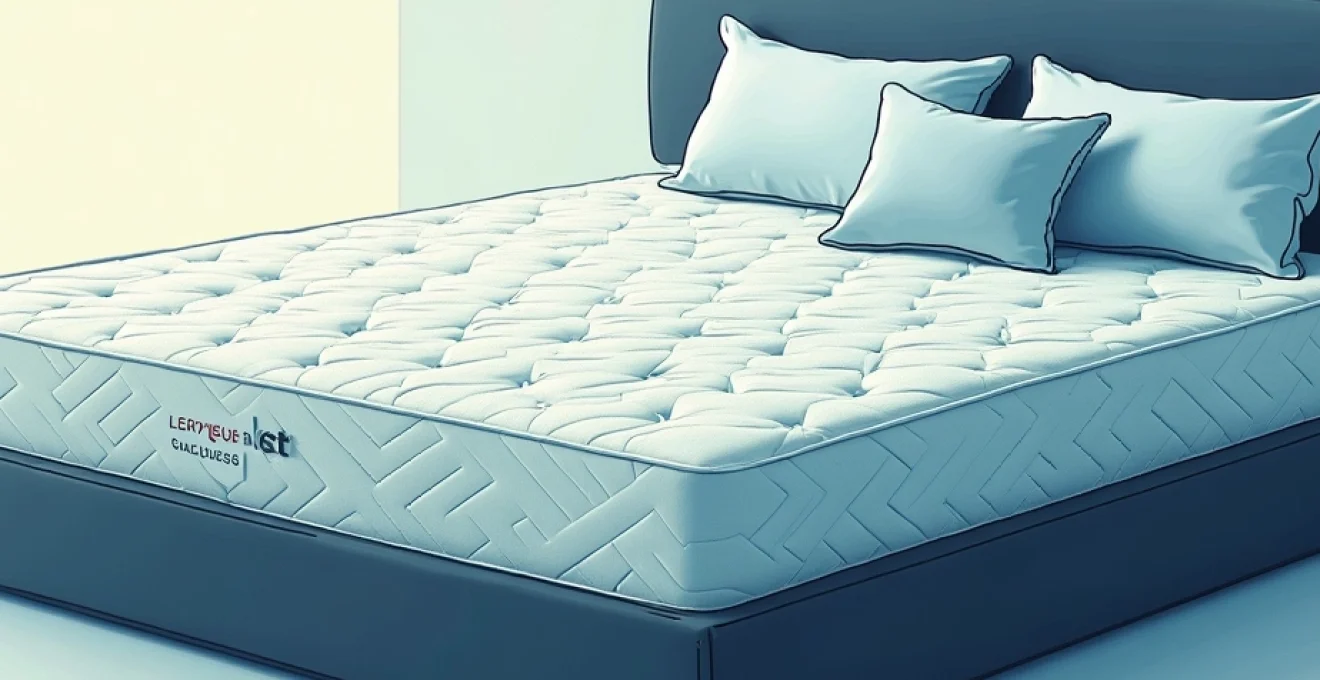
The intersection of sleep science and magnetic therapy has given rise to one of the most intriguing developments in bedding technology: the magnetic mattress. These specialised sleep surfaces integrate permanent magnets into their construction, promising therapeutic benefits that range from improved circulation to enhanced pain relief. As consumers increasingly seek natural alternatives to conventional medical interventions, magnetic mattresses have emerged as a compelling option for those struggling with sleep disorders, chronic pain, and general wellness concerns.
The concept behind magnetic sleep therapy isn’t entirely new—ancient civilisations recognised the potential healing properties of lodestone, a naturally occurring magnetic mineral. However, modern magnetic mattresses represent a sophisticated evolution of this concept, incorporating precision-engineered magnets with specific gauss strengths designed to create therapeutic electromagnetic fields during sleep. Understanding whether these claims hold scientific merit requires examining both the technology behind these products and the clinical evidence supporting their efficacy.
Magnetic field technology in sleep surface construction
Modern magnetic mattresses employ sophisticated engineering principles to integrate therapeutic magnetic fields into comfortable sleep surfaces. The construction process requires precise planning to ensure that magnetic elements enhance rather than compromise the mattress’s primary function of providing restful sleep. Manufacturers must balance magnetic field strength with comfort, durability, and safety considerations throughout the design process.
The integration of magnetic technology transforms traditional mattress construction into a complex engineering challenge. Unlike conventional mattresses that focus solely on support and comfort layers, magnetic sleep surfaces must accommodate additional components whilst maintaining structural integrity. This dual-purpose design requires careful consideration of material interactions, field distribution patterns, and long-term performance under regular use conditions.
Permanent magnet integration methods in mattress core design
The placement of permanent magnets within mattress cores follows specific methodologies designed to maximise therapeutic benefits whilst ensuring user comfort. Most manufacturers embed magnets in strips or discs throughout the support layer, creating a grid-like pattern that provides consistent field coverage across the entire sleep surface. This systematic approach ensures that users receive magnetic exposure regardless of their preferred sleeping position.
Advanced integration techniques involve encapsulating magnets within protective barriers that prevent direct contact with foam materials. This encapsulation serves multiple purposes: it protects the magnets from moisture and mechanical stress whilst preventing potential chemical interactions with surrounding materials. The positioning must also account for body pressure points, ensuring that magnetic elements don’t create uncomfortable hard spots that could disrupt sleep quality.
Gauss strength specifications for therapeutic sleep applications
The measurement of magnetic field strength in mattresses typically ranges from 300 to 4,000 gauss, with most therapeutic applications falling between 800 and 2,000 gauss. These specifications represent a carefully calculated balance between therapeutic potential and safety considerations. Higher gauss ratings don’t necessarily translate to better results, as excessive magnetic field strength can potentially cause discomfort or interference with sensitive individuals.
Professional-grade magnetic mattresses often feature variable gauss strengths across different zones, with higher concentrations targeted at areas corresponding to major muscle groups and pressure points. This zoned approach allows for customised therapy whilst maintaining overall sleep comfort. The determination of optimal gauss levels for specific therapeutic applications remains an active area of research and development within the industry.
Neodymium vs ferrite magnet performance in bedding systems
The choice between neodymium and ferrite magnets significantly impacts both the performance and cost of magnetic mattresses. Neodymium magnets offer superior magnetic strength per unit size, allowing manufacturers to create more compact designs with higher field intensities. These rare-earth magnets maintain their magnetic properties over extended periods, making them ideal for long-term applications like mattress construction.
Ferrite magnets, whilst less powerful than neodymium alternatives, provide cost-effective solutions for budget-conscious consumers. Their ceramic composition offers excellent corrosion resistance and temperature stability, characteristics particularly valuable in bedding applications where humidity and temperature variations are common. However, ferrite magnets require larger sizes to achieve therapeutic field strengths, potentially affecting mattress design flexibility.
Electromagnetic field distribution patterns across sleep surfaces
Understanding electromagnetic field distribution patterns is crucial for evaluating magnetic mattress effectiveness. Uniform field distribution ensures consistent therapeutic exposure, whilst targeted patterns can address specific health concerns. Computer modelling and field mapping techniques help manufacturers optimise magnet placement for desired therapeutic outcomes.
The interaction between multiple magnetic sources creates complex field patterns that extend beyond the mattress surface. These three-dimensional field geometries determine the depth of magnetic penetration into the human body, influencing the potential for therapeutic effects. Advanced mattress designs incorporate field-shaping techniques to direct magnetic energy toward specific anatomical targets whilst minimising unwanted exposure to sensitive areas.
Biomagnetic therapy claims and physiological mechanisms
Proponents of magnetic mattress therapy propose several biological mechanisms through which magnetic fields might influence human physiology during sleep. These proposed mechanisms centre around the interaction between external magnetic fields and the body’s natural electromagnetic processes. Understanding these claimed pathways provides insight into the theoretical foundation supporting magnetic sleep therapy, though it’s important to note that many of these mechanisms remain scientifically unproven.
The human body contains numerous electromagnetic processes, from nerve signal transmission to cellular metabolic functions. Magnetic therapy advocates suggest that external magnetic fields can influence these processes, potentially optimising bodily functions during the critical recovery period of sleep. This theoretical framework forms the basis for many health claims associated with magnetic mattresses, though the transition from theory to proven clinical benefit requires rigorous scientific validation.
Haemoglobin oxygenation enhancement through magnetic field exposure
One of the most frequently cited mechanisms for magnetic therapy involves the potential influence of magnetic fields on haemoglobin oxygenation. Haemoglobin contains iron, which exhibits magnetic properties, leading some researchers to theorise that external magnetic fields could affect oxygen-carrying capacity or blood flow patterns. This proposed mechanism suggests that sleeping on a magnetic mattress could enhance oxygen delivery to tissues throughout the body.
The diamagnetic properties of oxygenated haemoglobin differ from those of deoxygenated haemoglobin, creating a theoretical basis for magnetic field interactions. However, the magnetic fields used in therapeutic mattresses are significantly weaker than those required to produce measurable effects on blood chemistry in laboratory settings. Current research has not established clinically significant changes in blood oxygenation levels from exposure to mattress-strength magnetic fields.
Melatonin production regulation via pineal gland magnetic stimulation
The pineal gland, responsible for melatonin production, has demonstrated sensitivity to magnetic fields in some research studies. This connection has led to speculation that magnetic mattresses could influence sleep-wake cycles by affecting melatonin synthesis. The proposed mechanism suggests that appropriately timed magnetic exposure could help regulate circadian rhythms and improve sleep quality.
Research on magnetic field effects on melatonin production has yielded mixed results, with some studies showing modest influences whilst others find no significant effects. The complexity of melatonin regulation involves multiple factors beyond potential magnetic influences, including light exposure, stress levels, and individual biological variations. The clinical significance of any magnetic field effects on pineal gland function remains largely theoretical rather than established fact.
Calcium ion channel modulation during magnetic sleep therapy
Calcium ion channels play crucial roles in cellular function, including muscle contraction, nerve signal transmission, and metabolic processes. Some research suggests that magnetic fields could influence calcium ion channel behaviour, potentially affecting cellular function during sleep. This proposed mechanism could theoretically contribute to muscle relaxation and pain relief benefits attributed to magnetic mattresses.
Laboratory studies have demonstrated that strong magnetic fields can influence ion channel function in isolated cell preparations. However, translating these findings to the much weaker magnetic fields used in therapeutic mattresses presents significant challenges. The biological relevance of any potential calcium channel effects from mattress-strength magnetic fields remains unestablished through clinical research.
Circadian rhythm synchronisation through geomagnetic field mimicry
The Earth’s natural geomagnetic field has been proposed as an environmental cue for circadian rhythm regulation in some species. Magnetic mattress proponents suggest that artificial magnetic fields could help synchronise human circadian rhythms, particularly for individuals with disrupted sleep patterns or shift workers. This theory proposes that magnetic fields could serve as an additional zeitgeber, or time cue, for the body’s internal clock.
Evidence for magnetic field sensitivity in humans remains limited compared to findings in migratory animals and other species. Whilst some research suggests possible human magnetic sensitivity, the magnitude of effects and clinical relevance remain highly debated within the scientific community. The effectiveness of magnetic mattresses for circadian rhythm regulation lacks substantial empirical support from controlled clinical studies.
Clinical evidence analysis from Peer-Reviewed sleep studies
The scientific evaluation of magnetic mattress effectiveness requires careful analysis of peer-reviewed research studies. Clinical evidence provides the foundation for determining whether theoretical mechanisms translate into measurable health benefits for users. However, the research landscape for magnetic sleep therapy remains limited, with relatively few high-quality studies investigating specific claims made by manufacturers.
Evaluating clinical evidence requires consideration of study design quality, sample sizes, control groups, and outcome measurements. Many studies in this field suffer from methodological limitations that reduce the reliability of their conclusions. Understanding these limitations is crucial for consumers and healthcare providers seeking to make informed decisions about magnetic mattress therapy.
Randomised controlled trials on magnetic mattress efficacy
The gold standard for evaluating therapeutic interventions involves randomised controlled trials (RCTs) that compare treatment groups with appropriate control conditions. Unfortunately, high-quality RCTs examining magnetic mattress effectiveness remain scarce in the published literature. The few studies that do exist often suffer from small sample sizes, short duration periods, or inadequate control conditions.
One notable study published in the Journal of Alternative and Complementary Medicine examined magnetic mattress effects on fibromyalgia patients over a 16-week period. This study reported modest improvements in pain levels and sleep quality compared to control conditions. However, the limited scope and specific patient population make it difficult to generalise these findings to broader populations or other health conditions.
Polysomnography data from magnetic field sleep research
Objective sleep measurement through polysomnography provides valuable data for evaluating magnetic mattress claims about sleep quality improvement. Polysomnography records brain activity, eye movements, muscle activity, and other physiological parameters that define sleep stages and quality. However, polysomnographic studies of magnetic mattresses remain extremely limited in the published literature.
The few studies that have employed objective sleep measurements show mixed results, with some reporting minor improvements in sleep efficiency whilst others find no significant differences compared to control conditions. The variability in findings may reflect differences in study populations, magnetic field strengths, or experimental protocols. More comprehensive polysomnographic research is needed to establish definitive conclusions about magnetic mattress effects on sleep architecture.
Fibromyalgia pain reduction studies using biomagnetic bedding
Fibromyalgia patients represent a population particularly interested in alternative pain management approaches, making them frequent subjects for magnetic therapy research. Several small-scale studies have examined magnetic mattress effects on fibromyalgia symptoms, with some reporting modest benefits in pain scores and sleep quality measures. These studies typically involve subjective pain ratings and quality of life questionnaires rather than objective physiological measurements.
The challenge in interpreting fibromyalgia studies lies in the subjective nature of pain assessment and the potential for placebo effects. Fibromyalgia symptoms fluctuate naturally over time, making it difficult to distinguish treatment effects from natural variation. Additionally, the psychological component of pain perception means that belief in treatment efficacy can influence reported outcomes, complicating the interpretation of positive results.
Sleep onset latency measurements in magnetic therapy protocols
Sleep onset latency, or the time required to fall asleep, serves as an objective measure of sleep initiation difficulty. Some magnetic mattress studies have examined whether magnetic field exposure affects the speed of sleep onset. The limited research in this area shows inconsistent results, with some studies reporting faster sleep initiation whilst others find no significant differences.
The measurement of sleep onset latency requires careful experimental control to account for factors like anxiety about the study environment, caffeine consumption, and individual sleep patterns. Many studies in this field lack sufficient controls for these confounding variables, limiting the reliability of their conclusions. Future research would benefit from more rigorous experimental designs and larger sample sizes to establish definitive effects on sleep onset timing.
The current body of scientific evidence for magnetic mattresses remains insufficient to support definitive health claims, though some preliminary studies suggest potential benefits for specific populations under certain conditions.
Leading magnetic mattress manufacturers and product specifications
The magnetic mattress industry encompasses several manufacturers offering products with varying specifications and therapeutic claims. Understanding the landscape of available products helps consumers make informed decisions about potential purchases. Product specifications vary significantly between manufacturers, particularly in terms of magnetic field strength, construction methods, and targeted health applications.
Quality considerations extend beyond magnetic specifications to include traditional mattress factors like support, comfort, and durability. The integration of magnetic elements should not compromise the fundamental function of providing restful sleep. Reputable manufacturers balance therapeutic claims with practical sleep comfort requirements, ensuring their products serve dual purposes effectively.
Leading manufacturers typically offer products in standard mattress sizes with gauss ratings ranging from 800 to 3,000 gauss. Premium models often feature zoned magnetic configurations that target specific body areas with varying field intensities. Price points vary considerably, with basic magnetic mattresses starting around £500 and premium models exceeding £2,000, reflecting the complexity of manufacturing and the cost of magnetic materials.
The warranty and trial period policies offered by manufacturers provide important insights into product quality confidence. Reputable companies typically offer sleep trials ranging from 30 to 100 nights, allowing consumers to evaluate product effectiveness before making final purchasing decisions. Warranty periods for magnetic components often differ from traditional mattress warranties, reflecting the unique nature of these products.
Safety considerations and electromagnetic exposure guidelines
Safety considerations for magnetic mattress use encompass both electromagnetic exposure concerns and potential interactions with medical devices. Understanding these safety aspects is crucial for consumers considering magnetic sleep therapy, particularly those with existing health conditions or implanted medical devices. The static magnetic fields used in mattresses differ from electromagnetic fields produced by electronic devices, but safety considerations still apply.
International safety guidelines for magnetic field exposure primarily address occupational settings and medical applications rather than consumer products like magnetic mattresses. The World Health Organization and other regulatory bodies have established exposure limits for electromagnetic fields, though these guidelines don’t specifically address the prolonged exposure scenarios typical of magnetic mattress use. This regulatory gap means consumers must rely on manufacturer safety claims and available research when evaluating potential risks.
Medical device interactions represent the most significant safety concern for magnetic mattress users. Pacemakers, insulin pumps, and other implanted electronic devices can malfunction when exposed to magnetic fields. The magnetic fields in therapeutic mattresses are generally weaker than those that affect most medical devices, but individual device sensitivity varies. Healthcare providers should be consulted before using magnetic mattresses in the presence of any implanted medical devices.
Pregnancy safety concerns also warrant careful consideration, as the effects of prolonged magnetic field exposure during foetal development remain largely unstudied. Most manufacturers recommend avoiding magnetic mattress use during pregnancy as a precautionary measure. Additionally, individuals with certain medical conditions, including those with metallic implants or bleeding disorders, should consult healthcare providers before using magnetic therapy products. The long-term effects of nightly magnetic field exposure over years or decades remain unknown, as comprehensive longitudinal studies have not been conducted in this population.
Safety considerations must take precedence over potential therapeutic benefits, particularly given the limited scientific evidence supporting magnetic mattress efficacy claims.
Cost-benefit analysis versus traditional orthopedic sleep solutions
Evaluating magnetic mattresses requires careful consideration of costs relative to potential benefits and alternative sleep solutions. Traditional orthopaedic mattresses, memory foam systems, and adjustable beds offer proven approaches to addressing sleep comfort and pain management concerns. Comparing these established options with magnetic mattresses helps consumers make informed purchasing decisions based on evidence rather than marketing claims.
The cost premium for magnetic mattresses typically ranges from £200 to £800 compared to similar non-magnetic models. This additional expense must be weighed against the uncertain therapeutic benefits and limited scientific support for magnetic therapy claims. Traditional orthopaedic mattresses with proven track records for pain relief and sleep improvement may offer more reliable value propositions for many consumers.
Alternative pain management approaches, including physical therapy, medication, and lifestyle modifications, often provide more substantial and evidence-based benefits than magnetic mattress therapy. The cost of a magnetic mattress could fund several months of professional physiotherapy or other proven treatments. Healthcare professionals can provide guidance on the most effective approaches for specific conditions, helping patients allocate resources toward interventions with established efficacy.
Consumer satisfaction rates for magnetic mattresses vary widely, with some users reporting significant benefits whilst others experience no improvements. The subjective nature of sleep quality and pain perception makes it difficult to predict individual responses to magnetic therapy. Money-back guarantees and sleep trial periods provide some protection against unsatisfactory purchases, though the inconvenience of returns
and time investment should be factored into purchasing decisions.
The durability of magnetic components adds another layer to cost-benefit considerations. Unlike traditional mattress materials that gradually degrade over time, permanent magnets maintain their field strength indefinitely under normal conditions. This longevity potentially extends the useful life of magnetic mattresses beyond conventional alternatives, though the supporting foam and fabric components still require eventual replacement following typical mattress lifespans.
Insurance coverage represents an additional financial consideration, as magnetic mattresses are typically classified as consumer products rather than medical devices. This classification means that health insurance policies rarely cover magnetic mattress purchases, even when recommended by healthcare providers for specific conditions. Consumers must therefore budget for these expenses as out-of-pocket investments in their sleep health and wellness strategies.
Return on investment calculations become complex when dealing with subjective benefits like improved sleep quality or reduced pain levels. Unlike medications or medical procedures with measurable outcomes, magnetic mattress effectiveness often relies on personal perception and gradual improvements that may be difficult to quantify. The placebo effect can contribute to perceived benefits, making it challenging to distinguish genuine therapeutic value from psychological responses to the investment.
Comparing total cost of ownership over a typical mattress lifespan reveals that magnetic mattresses may offer competitive value despite higher initial costs. When calculated over eight to ten years of use, the premium for magnetic technology becomes less significant, particularly if users experience genuine therapeutic benefits that reduce healthcare costs or improve quality of life. However, this analysis assumes that claimed benefits materialise for individual users, which cannot be guaranteed given the limited scientific evidence supporting magnetic therapy efficacy.
The decision to invest in a magnetic mattress should be based on careful consideration of individual needs, available alternatives, and realistic expectations about potential benefits rather than marketing promises alone.
Healthcare provider consultation remains the most valuable step in evaluating whether magnetic mattresses represent appropriate investments for specific health concerns. Professional medical advice can help identify whether underlying conditions might benefit from magnetic therapy or whether alternative treatments offer more proven approaches to addressing sleep and pain management needs. This guidance ensures that consumers make informed decisions based on evidence rather than hope or marketing claims.
Budget-conscious consumers might consider magnetic mattress toppers as alternative entry points into magnetic therapy without the full investment required for complete mattress replacement. These toppers typically cost £150 to £400 and can be added to existing mattresses to test magnetic therapy effects before committing to more expensive options. However, toppers may not provide the same magnetic field distribution patterns as integrated magnetic mattresses, potentially limiting their therapeutic effectiveness.
The magnetic mattress market continues evolving as manufacturers refine their products and researchers conduct additional studies on therapeutic effectiveness. Future developments may provide clearer evidence for specific applications whilst improving cost-effectiveness through manufacturing innovations. Until more definitive research emerges, consumers must weigh potential benefits against costs whilst maintaining realistic expectations about what magnetic therapy can and cannot achieve for their individual sleep and health needs.