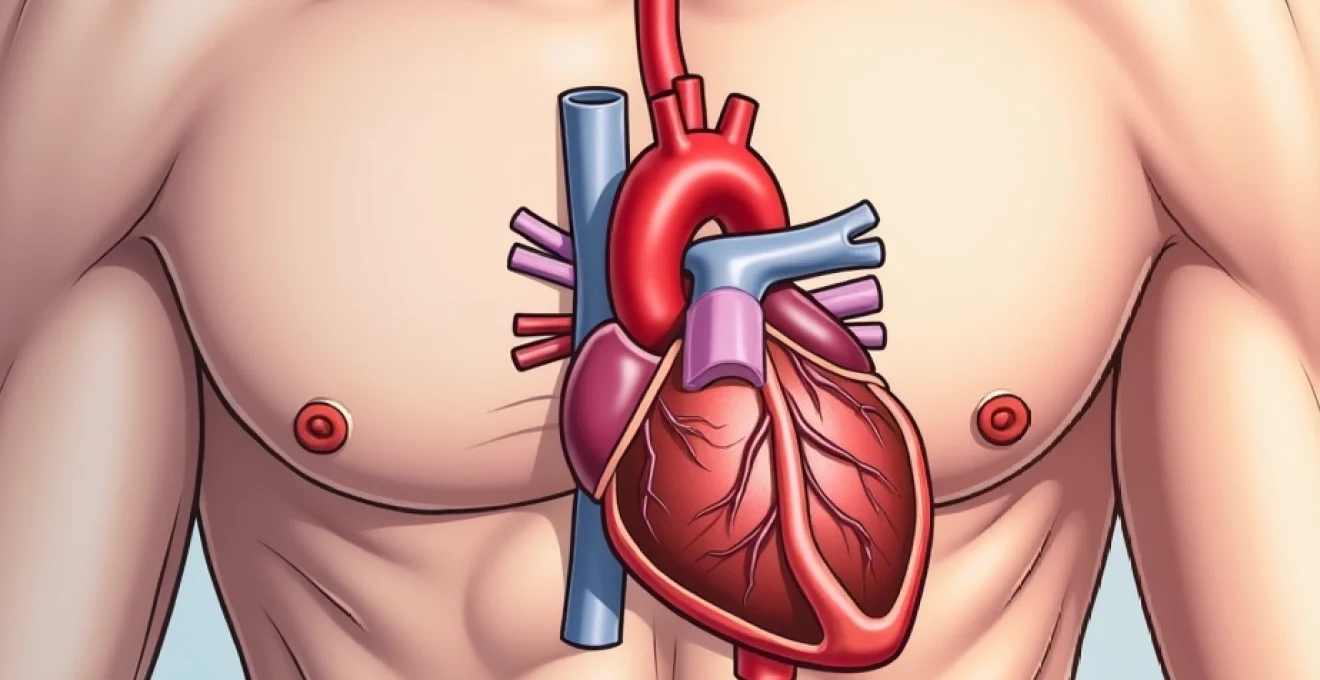
That peculiar fluttering or tickling sensation in your chest can range from mildly annoying to genuinely concerning, depending on its underlying cause and accompanying symptoms. While many people experience occasional chest tingling due to benign factors like anxiety, physical exertion, or respiratory irritation, understanding the diverse mechanisms behind these sensations is crucial for proper assessment and management. The thoracic cavity houses vital organs including the heart, lungs, major blood vessels, and nerve pathways, making it a complex region where multiple systems can contribute to unusual sensations. From cardiac arrhythmias creating palpitation-induced fluttering to respiratory conditions causing bronchial irritation, the causes of chest tickling span across cardiovascular, pulmonary, neurological, and gastrointestinal origins.
Cardiac arrhythmias and Palpitation-Induced chest sensations
Heart rhythm disturbances represent one of the most significant categories of conditions causing chest tingling sensations. When your heart’s electrical conduction system malfunctions, it can create irregular beating patterns that manifest as fluttering, tickling, or butterfly-like sensations in the chest. These arrhythmic episodes can occur sporadically or persistently, often accompanied by other cardiovascular symptoms that require immediate medical attention.
The heart’s normal electrical pathway ensures coordinated contractions that pump blood efficiently throughout your body. When this system becomes disrupted, whether through structural heart disease, electrolyte imbalances, or external triggers like caffeine and stress, the resulting irregular heartbeats can create noticeable chest sensations. Some individuals describe these feelings as their heart “skipping beats,” while others report a tickling or bubbling sensation that seems to emanate from deep within their chest cavity.
Atrial fibrillation and flutter pattern recognition
Atrial fibrillation (AFib) creates one of the most distinctive forms of chest tickling through its characteristic rapid, irregular heartbeat pattern. During AFib episodes, the heart’s upper chambers beat chaotically at rates exceeding 300 beats per minute, while the lower chambers respond irregularly. This creates a fluttering sensation that patients often describe as feeling like butterflies trapped in their chest. The irregular nature of AFib means that chest sensations can vary from subtle tickling to pronounced fluttering, making it challenging for individuals to recognise the underlying arrhythmia without proper medical evaluation.
Premature ventricular contractions (PVCs) symptomatology
PVCs create distinctly different chest sensations compared to atrial arrhythmias, often manifesting as sudden, forceful heartbeats followed by compensatory pauses. This pattern can produce a tickling or thumping sensation that seems to originate from the heart’s apex. Many patients describe PVC-related chest sensations as feeling like their heart briefly stops before delivering a particularly strong beat. The compensatory pause following each PVC can create an unsettling tickling feeling as blood flow momentarily changes within the cardiac chambers.
Supraventricular tachycardia episodes and chest manifestations
During supraventricular tachycardia (SVT), the heart rate suddenly increases to 150-250 beats per minute, creating intense chest sensations that extend beyond simple tickling. The rapid heart rate generates a buzzing or vibrating feeling within the chest cavity, often accompanied by shortness of breath and dizziness. SVT episodes typically begin and end abruptly, making the chest sensations particularly noticeable as the heart rate transitions from normal to extremely fast and back again. The sudden onset of these episodes can create anxiety, which further intensifies the perceived chest sensations.
Bradycardia-associated compensatory mechanisms
When heart rates drop below 60 beats per minute, the body’s compensatory mechanisms can paradoxically create chest tickling sensations despite the slower rhythm. During bradycardic episodes, individual heartbeats become more forceful to maintain adequate cardiac output, and patients may become acutely aware of each beat. This heightened awareness, combined with the heart’s stronger contractions, can manifest as a tickling or pounding sensation within the chest. Additionally, the longer pauses between heartbeats during severe bradycardia can create an uncomfortable awareness of the heart’s rhythm that some describe as chest tingling.
Respiratory system pathophysiology behind thoracic tingling
The respiratory system’s complex anatomy creates multiple pathways through which chest tingling can develop, ranging from upper airway irritation to deep pulmonary tissue involvement. When respiratory conditions affect the bronchi, pleural spaces, or intercostal muscles, they can generate sensations that patients perceive as chest tickling or fluttering. These respiratory-induced sensations often correlate with breathing patterns, coughing episodes, or specific body positions, providing important diagnostic clues for healthcare providers.
Bronchial hyperresponsiveness plays a particularly significant role in creating chest tingling through inflammatory cascades that affect nerve endings throughout the respiratory tree. When airways become inflamed or constricted, the resulting changes in airflow dynamics can stimulate mechanoreceptors and chemoreceptors, translating into various chest sensations including tickling, tightness, and fluttering feelings.
Bronchospasm and airway hyperresponsiveness effects
Bronchospasm creates chest tingling through the rapid constriction of smooth muscle surrounding the airways, leading to turbulent airflow and increased work of breathing. During these episodes, patients often report a tickling sensation that begins in the throat and extends throughout the chest cavity. The sensation intensifies as the body attempts to overcome airway resistance, creating vibrations and pressure changes that stimulate nerve endings in the bronchial walls. Asthmatic individuals frequently experience this type of chest tingling as an early warning sign of impending bronchospasm, making it an important symptom for monitoring disease control.
Pleural irritation from pneumothorax or effusion
Pleural space abnormalities generate chest tingling through direct irritation of the highly sensitive pleural membranes that line the chest cavity and lung surfaces. When air or fluid accumulates in the pleural space, it creates pressure changes that stimulate pleural nerve endings, resulting in sharp, tickling sensations that often worsen with breathing or movement. Small pneumothoraces may initially present with subtle chest tingling before progressing to more severe symptoms, while pleural effusions can create a persistent tickling feeling that patients describe as something “moving” within their chest.
Intercostal muscle spasms and diaphragmatic dysfunction
The intercostal muscles between your ribs play a crucial role in respiratory mechanics, and when they develop spasms or dysfunction, they can create significant chest tingling sensations. These muscle contractions affect the normal expansion and contraction of the chest wall, leading to altered breathing patterns and stimulation of nerve pathways that run between the ribs. Diaphragmatic dysfunction adds another layer of complexity, as irregular diaphragm movements can create pressure changes throughout the thoracic cavity that manifest as tickling or fluttering sensations, particularly during deep breathing or physical exertion.
Pulmonary embolism microvascular impact
While large pulmonary emboli typically present with severe symptoms, smaller embolic events can create subtle chest tingling through their effects on pulmonary microcirculation. When small blood clots block tiny pulmonary vessels, they create localised areas of impaired gas exchange and altered blood flow patterns. These changes can stimulate nerve endings in the affected lung regions, producing tickling sensations that may be the only initial symptom of pulmonary embolism. The challenge lies in recognising these subtle sensations as potentially serious, particularly in patients with risk factors for thromboembolism.
Neurological mechanisms triggering chest paraesthesia
The neurological pathways responsible for chest sensation involve a complex network of sensory nerves, including intercostal nerves, vagal branches, and sympathetic nerve fibres that innervate the thoracic cavity. When these neural pathways become irritated, compressed, or hyperexcitable, they can generate abnormal sensations ranging from subtle tingling to pronounced paraesthesia. Thoracic outlet syndrome represents one of the most common neurological causes of chest tingling, occurring when nerves or blood vessels become compressed in the space between the collarbone and first rib.
Nerve compression can result from anatomical variations, repetitive strain injuries, or postural abnormalities that narrow the thoracic outlet. Athletes who perform repetitive overhead motions, individuals with poor posture, and those who have experienced neck trauma are particularly susceptible to developing these neurological symptoms. The resulting chest tingling often correlates with arm positioning, making activities like reaching overhead or sleeping on one’s side particularly problematic.
Central nervous system conditions can also contribute to chest paraesthesia through altered pain processing and sensory integration. Anxiety disorders frequently manifest with chest tingling as part of the body’s heightened stress response, while certain medications affecting neurotransmitter balance can create similar sensations. The interplay between psychological stress and physical symptoms creates a complex cycle where chest tingling can both trigger and result from anxiety, making comprehensive evaluation essential for proper management.
Peripheral neuropathies affecting the intercostal nerves can develop following viral infections, particularly varicella-zoster (shingles), creating persistent chest tingling that may precede or follow the characteristic skin rash. These post-viral neuralgias can create chronic chest sensations that significantly impact quality of life, requiring specialised pain management approaches to achieve symptom relief.
Gastroesophageal and mediastinal contributors to thoracic symptoms
The intimate anatomical relationship between the digestive system and thoracic cavity means that gastrointestinal conditions frequently manifest with chest symptoms, including tickling sensations. The oesophagus shares nerve pathways with cardiac structures, explaining why gastroesophageal disorders often create chest symptoms that can mimic heart conditions. This phenomenon, known as referred pain , occurs when sensory nerves from different organs converge at the same spinal cord levels, making it challenging to distinguish between cardiac and gastrointestinal sources of chest sensations.
Mediastinal structures, including the oesophagus, major blood vessels, and lymph nodes, can all contribute to chest tingling when affected by inflammatory, infectious, or structural abnormalities. The mediastinum’s central location within the chest cavity means that conditions affecting these structures often create diffuse chest symptoms that can be difficult to localise, contributing to the challenge of diagnosing gastroesophageal causes of chest tingling.
Gerd-induced vagal stimulation pathways
Gastroesophageal reflux disease creates chest tingling through multiple mechanisms, including direct oesophageal irritation and vagal nerve stimulation. When stomach acid enters the oesophagus, it triggers inflammatory responses that can stimulate vagal afferent fibres, creating chest sensations that extend beyond the typical burning associated with heartburn. The vagus nerve’s extensive distribution throughout the thoracic cavity means that GERD-induced vagal stimulation can create tickling sensations that seem to originate from various chest locations, often confusing patients and healthcare providers about the underlying cause.
Oesophageal spasm and motility disorders
Oesophageal motility disorders create chest tingling through abnormal muscle contractions that can be felt throughout the mediastinum. During oesophageal spasms, the intense muscle contractions create pressure waves that stimulate mechanoreceptors in surrounding tissues, generating sensations that patients describe as chest fluttering or tickling. These spasms can occur spontaneously or be triggered by specific foods, temperature changes, or stress, making them particularly unpredictable and concerning for patients experiencing them.
Hiatal hernia pressure effects on thoracic cavity
Large hiatal hernias can create chest tingling by altering normal thoracic pressure relationships and potentially compressing adjacent structures. When portions of the stomach herniate through the diaphragmatic hiatus, they can create mass effects that influence cardiac positioning and respiratory mechanics. These changes can stimulate nerve endings throughout the lower chest and upper abdomen, creating tickling sensations that may worsen with large meals or specific body positions. The intermittent nature of these symptoms, often related to eating and posture, provides important diagnostic clues for identifying hiatal hernia as a contributor to chest sensations.
Pharmacological and Substance-Related chest tingling triggers
Numerous medications and substances can trigger chest tingling through their effects on cardiovascular, respiratory, or neurological systems. Stimulants like caffeine, nicotine, and certain decongestants can increase heart rate and create palpitation-induced chest sensations, while beta-agonist inhalers used for asthma treatment can cause similar effects through their cardiovascular side effects. Drug-induced arrhythmias represent a particularly important consideration, as many common medications can alter cardiac electrical conduction and create chest fluttering sensations.
Withdrawal from certain substances, particularly alcohol, benzodiazepines, or opioids, can create chest tingling as part of the autonomic nervous system hyperactivity that characterises withdrawal syndromes. These sensations often occur alongside other withdrawal symptoms like tremors, sweating, and anxiety, making the chest tingling part of a broader constellation of physical symptoms. Understanding the temporal relationship between substance use or withdrawal and chest symptoms is crucial for identifying these pharmacological causes.
Certain antidepressants, particularly selective serotonin reuptake inhibitors (SSRIs), can create chest tingling as a side effect, especially during the initial weeks of treatment or dose adjustments. These medications can affect cardiac rhythm and autonomic nervous system function, leading to palpitations and associated chest sensations. Similarly, thyroid medications can create chest tingling when doses are too high, leading to drug-induced hyperthyroidism with resulting cardiac symptoms.
Recreational drug use, including stimulants like cocaine or amphetamines, creates significant risk for chest tingling through multiple mechanisms including coronary artery spasm, arrhythmia induction, and hypertensive episodes. These substances can create both acute chest sensations during use and chronic effects that persist long after the acute intoxication resolves, making comprehensive substance use history essential for evaluating unexplained chest symptoms.
Differential diagnosis protocol for chest paraesthesia assessment
Establishing an accurate diagnosis for chest tingling requires a systematic approach that considers the diverse array of potential causes while prioritising life-threatening conditions that require immediate intervention. The diagnostic process begins with a comprehensive history that explores symptom characteristics, triggers, associated symptoms, and temporal patterns. Healthcare providers must distinguish between benign causes like anxiety-induced palpitations and serious conditions such as cardiac arrhythmias or pulmonary embolism that can present with similar initial symptoms.
Physical examination plays a crucial role in the diagnostic process, with particular attention to cardiovascular, respiratory, and neurological findings. Auscultation may reveal heart murmurs, irregular rhythms, or abnormal lung sounds that provide important diagnostic clues. Palpation of the chest wall can identify areas of tenderness or muscle spasm that might contribute to chest sensations, while neurological testing can reveal evidence of nerve compression or dysfunction.
Proper risk stratification remains essential when evaluating chest tingling, as symptoms alone cannot reliably distinguish between benign and serious causes. Patients with risk factors for cardiovascular disease, including advanced age, diabetes, hypertension, or family history of heart disease, require more aggressive evaluation even when symptoms seem mild or intermittent.
Diagnostic testing selection depends on the clinical presentation and suspected underlying causes. Electrocardiography serves as the initial cardiac assessment tool, capable of detecting arrhythmias, conduction abnormalities, and signs of myocardial ischaemia. Extended cardiac monitoring may be necessary for patients with intermittent symptoms, as brief episodes of arrhythmia can be missed on standard ECGs. Echocardiography provides valuable information about cardiac structure and function, particularly important for identifying conditions like mitral valve prolapse or cardiomyopathy that can cause palpitation-induced chest sensations.
Laboratory testing should include complete blood count, comprehensive metabolic panel, thyroid function tests, and cardiac biomarkers when indicated. These tests can identify anaemia, electrolyte disturbances, hyperthyroidism, or myocardial injury that might contribute to chest symptoms. D-dimer testing may be considered in patients with risk factors for pulmonary embolism, though its non-specific nature requires careful interpretation within the appropriate clinical context.
Advanced imaging studies become necessary when initial evaluation suggests structural abnormalities or when symptoms persist despite normal basic testing. Chest radiography can identify pneumothorax, pleural effusion, or mediastinal abnormalities, while CT pulmonary angiography remains the gold standard for diagnosing pulmonary embolism in patients
with clinical suspicion for this condition.
Pulmonary function testing provides valuable insights when respiratory causes are suspected, helping to identify obstructive or restrictive lung disease that might contribute to chest sensations. Stress testing may be indicated for patients with exercise-induced symptoms or those at risk for coronary artery disease, as it can unmask cardiac ischemia or exercise-induced arrhythmias that might not be apparent at rest. The timing and selection of these diagnostic tools should be individualised based on patient presentation, risk factors, and clinical judgment to ensure efficient and cost-effective evaluation.
When initial testing fails to identify a clear cause for chest tingling, healthcare providers must consider less common conditions while avoiding excessive diagnostic testing. The psychological impact of unexplained chest symptoms can create significant anxiety that perpetuates the sensations, making it important to provide reassurance and education while continuing appropriate evaluation. Follow-up monitoring becomes essential in these cases, as symptoms may evolve over time or additional clues may emerge that point toward a specific diagnosis.
Treatment approaches for chest tingling must be tailored to the underlying cause identified through systematic evaluation. For cardiac arrhythmias, management may range from lifestyle modifications and beta-blockers for benign palpitations to more aggressive interventions like antiarrhythmic medications or ablation procedures for significant rhythm disturbances. Respiratory causes often respond well to bronchodilators, anti-inflammatory medications, or respiratory physiotherapy, depending on the specific condition identified. Neurological causes may require nerve blocks, physical therapy, or neuropathic pain medications to achieve symptom relief.
The prognosis for chest tingling varies significantly based on the underlying cause, with most benign conditions resolving spontaneously or responding well to conservative treatment. However, early identification and treatment of serious conditions like pulmonary embolism, cardiac arrhythmias, or pneumothorax can be life-saving, emphasising the importance of thorough initial evaluation. Patient education plays a crucial role in management, helping individuals understand when symptoms warrant immediate medical attention versus when they can be monitored at home with appropriate follow-up care.